
Two of Africa’s largest economies, Nigeria and South Africa, are at the forefront of expanding demand for stablecoins, according to a new consumer survey that also documents strong intent to increase holdings and a desire for broader merchant acceptance.
The research, published under the title Stablecoin Utility Report and carried out by YouGov in collaboration with crypto firms BVNK, Coinbase and Artemis, canvassed more than 4,650 people across 15 countries who either hold, or plan to hold, stablecoins or other cryptocurrencies. The findings point to particularly pronounced adoption trends in developing economies.
Stablecoins are widely touted for offering faster and cheaper ways to transfer money in lower-income settings, but most of the tokens in circulation - about 99% - are pegged to the U.S. dollar, a feature that prompts concerns over economic dollarisation and potential capital flight.
Usage patterns remain heavily skewed toward trading within cryptocurrency markets. A separate estimate from BCG cited in the report found that nearly nine-tenths of stablecoin transactions relate to crypto trading, while just 6% are used for payment of goods or services.
Overall, the report found that more than half of respondents had increased their stablecoin holdings over the past year, with the strongest upticks observed in developing economies. Almost 80% of respondents in Nigeria and South Africa said they already held stablecoins, and more than 75% of those holders expressed an intention to raise their holdings further within the coming year.
Among individuals who did not yet own stablecoins, the stated intent to start holding them was roughly twice as high in low- and middle-income economies compared with high-income economies. In Nigeria specifically, 95% of respondents said they would prefer to receive payments in stablecoins rather than in the Naira.
"People are already getting paid and spending stablecoins, especially where traditional payments are slow, expensive, or unreliable," said Chris Harmse, co-founder of BVNK. He added that users are "asking for greater integration into their existing financial tools." The survey highlighted this call for deeper integration as a key demand among current users.
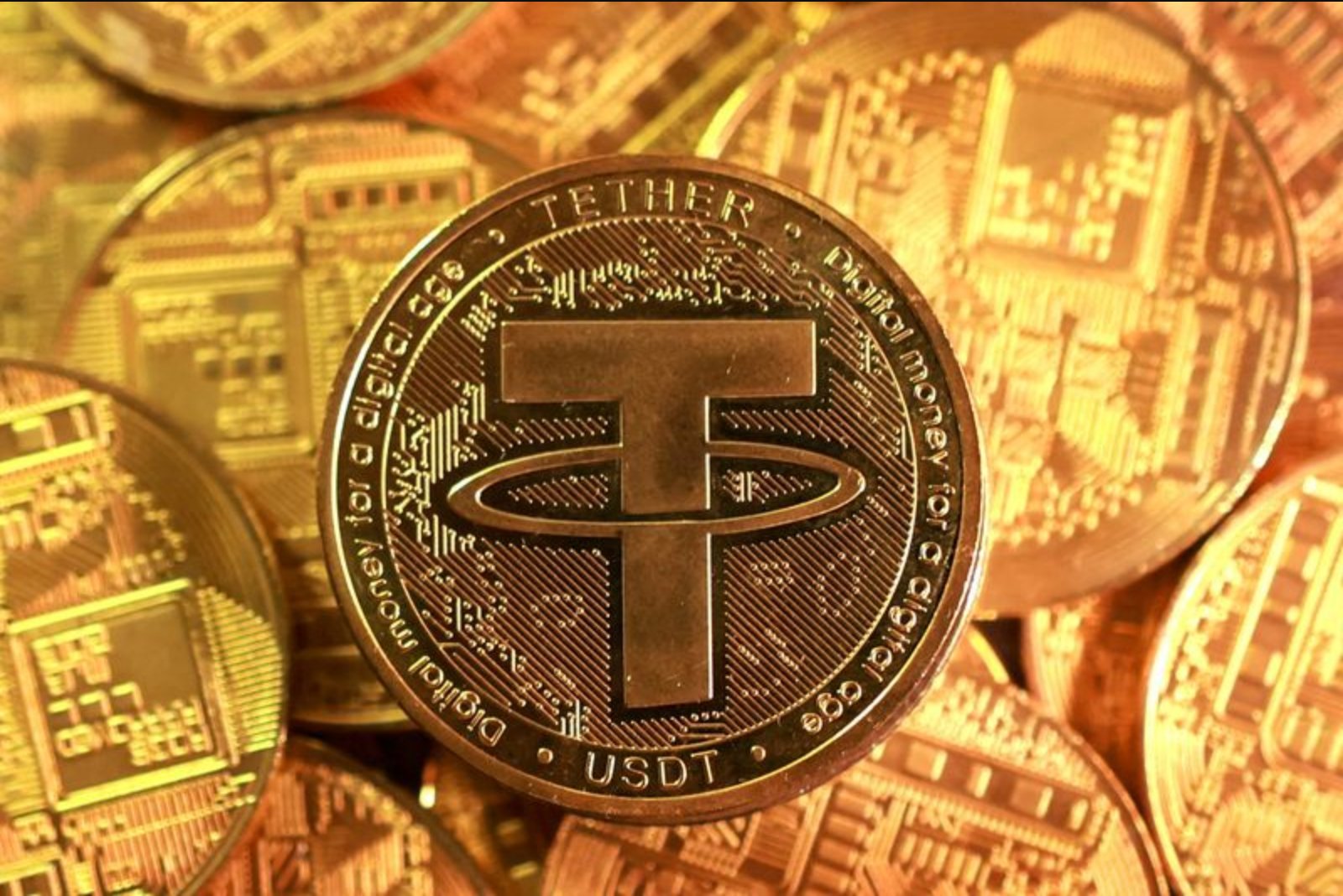
Globally, the stablecoin market is valued at more than $310 billion and is dominated by dollar-pegged tokens including Tether and USDC, with estimated market sizes of $185 billion and $75 billion respectively. Market participants expect further expansion in the sector following U.S. regulatory proposals such as the GENIUS Act.
Despite the consumer enthusiasm, central bankers in emerging markets have voiced caution. Officials worry stablecoins could pull deposits out of domestic banks, weakening monetary policy transmission, and could facilitate capital flight. Those concerns underline the tension between potential consumer benefits and macroeconomic risks.
South African Reserve Bank Governor Lesetja Kganyago pointed to one practical advantage stablecoins could offer, noting remittance fees that can reach as high as $30 to send $100 to neighbouring Mozambique - a price gap that stablecoins could help narrow.
Nevertheless, the report also identified limited merchant acceptance - both in shops and online - as a significant barrier to wider use of stablecoins for routine purchases and subscription payments. Low levels of point-of-sale and e-commerce acceptance remain a key hurdle to turning investor and trading interest into everyday payment usage.
Methodology note: The findings reported here are drawn from the Stablecoin Utility Report, which compiled responses from more than 4,650 individuals across 15 countries who either hold, or plan to hold, stablecoins or other cryptocurrencies.