
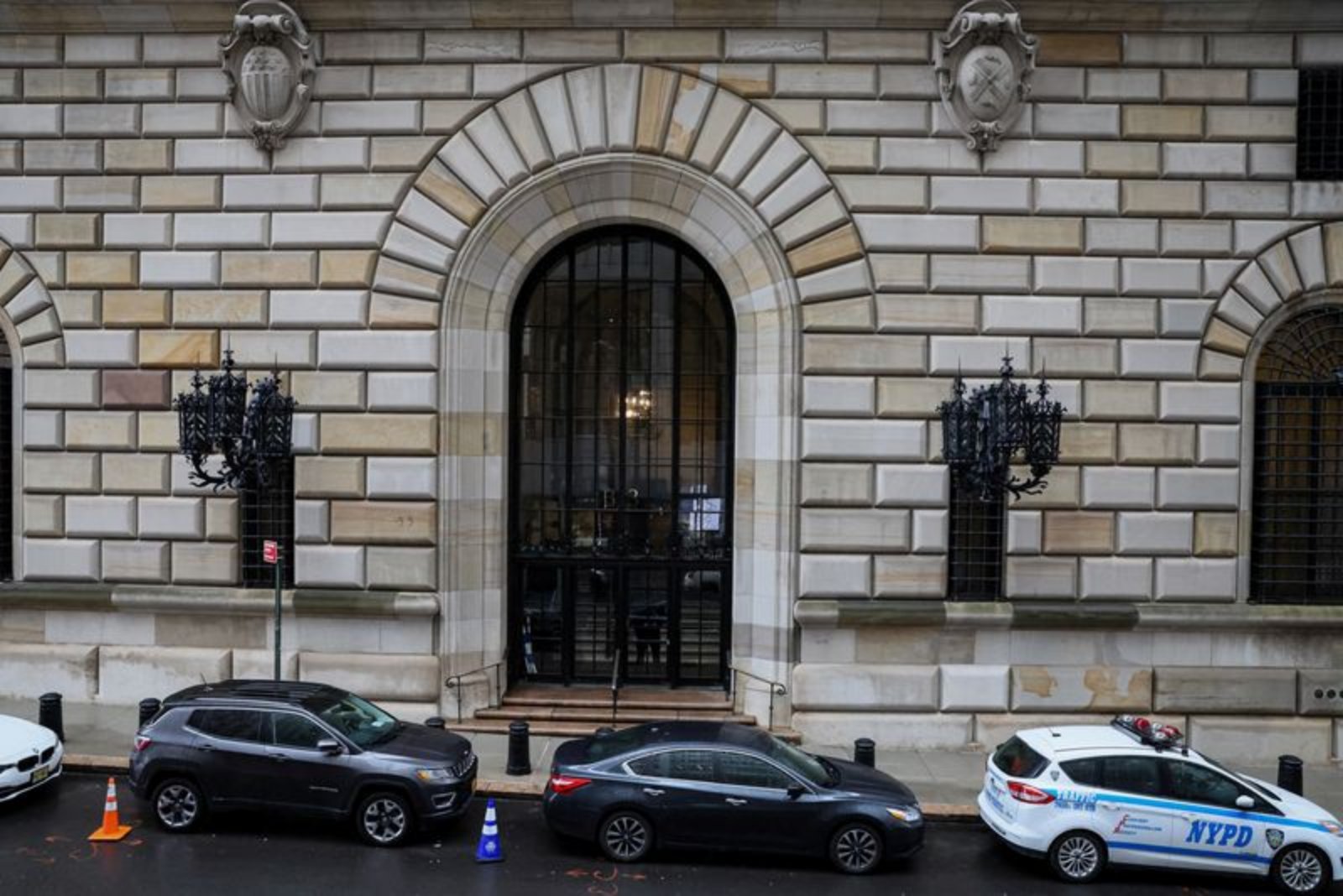
The Federal Reserve Bank of New York reported on Monday that Americans were seeking new credit in February at the highest rate since October 2022, according to the bank's Survey of Consumer Expectations Credit Access report.
The New York Fed said the recent increase in credit-seeking activity has been concentrated more in requests to raise existing credit card limits than in applications for new borrowing. Respondents to the survey indicated stronger demand for credit, while at the same time encountering fewer obstacles to obtaining it.
As of February, the report noted, the rejection rate for new credit applications stood at 15.9%, the lowest level recorded since June 2021. That decline in denials comes alongside another trend highlighted in the survey: over the past year lenders have been closing accounts at a record-high rate. The report did not provide an explanation for why so many lenders have been shutting off accounts.
The New York Fed release comes during a week when the interest-rate-setting Federal Open Market Committee is meeting to deliberate on monetary policy. The meeting is unfolding in the shadow of President Donald Trump's war on Iran, an escalation that the report links to a surge in oil prices.
According to the report, rising oil prices tied to the conflict are likely to push inflation higher and slow economic growth by forcing consumers to allocate more spending to energy and less to other goods and services. The New York Fed warned that this dynamic could worsen conditions for lower-income households, which are already struggling more than wealthier Americans.
Before the outbreak of combat, Fed policymakers were contending with inflation running above the central bank's target and a labor market the report described as tepid. Markets had expected policymakers to begin cutting interest rates sometime later next year. The FOMC meeting that week was expected to conclude with rates held steady on Wednesday.
The survey also measured household preparedness for unexpected expenses. It found that the share of respondents saying they could come up with $2,000 to cover an unforeseen cost "decreased slightly" to 63.3%.
Key data points from the New York Fed's Credit Access report:
- Applications for new credit in February reached their highest level since October 2022.
- Growth in demand was weighted toward requests for higher credit card limits rather than new borrowing.
- Rejection rate for new credit stood at 15.9% in February, the lowest since June 2021.
- Lenders closed accounts at a record-high rate over the prior year; the report did not state reasons for these closures.
- Respondents' confidence in being able to produce $2,000 for unexpected expenses fell slightly to 63.3%.