
Economy February 25, 2026

New York Attorney General Sues Valve, Alleges Loot Boxes Constitute Gambling

Letitia James accuses the video game developer of violating state gambling laws and targeting young players with chance-based virtual items

By Jordan Park
New York Attorney General Sues Valve, Alleges Loot Boxes Constitute Gambling

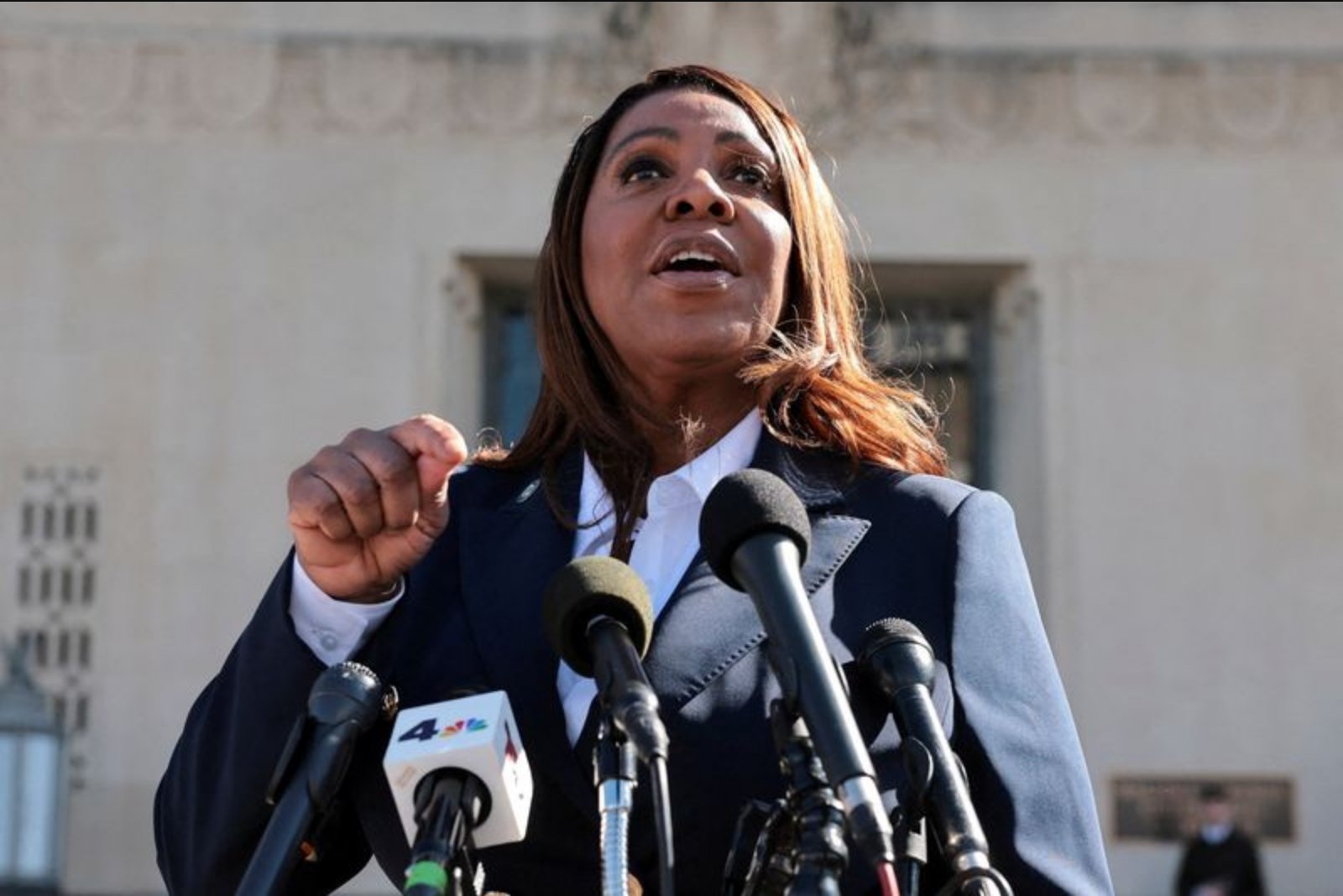
NEW YORK, Feb 25 - New York Attorney General Letitia James filed a lawsuit in Manhattan state court against Valve, the Bellevue, Washington-based video game developer behind franchises such as Counter-Strike, Team Fortress and Dota. The complaint alleges that Valve’s use of loot boxes constitutes a game of chance and violates New York’s constitution and penal law. The suit says loot boxes are often difficult to win, frequently yield items of negligible value, and that the company profited by charging tens of millions of dollars for keys that open these chance-based containers while enabling secondary market sales of won items. James is seeking restitution for affected players and a penalty equal to three times Valve’s alleged illegal gains. Valve did not immediately respond to requests for comment.

Key Points

  • New York Attorney General Letitia James sued Valve in Manhattan state court alleging its loot boxes are a game of chance and violate state gambling laws - sectors impacted include gaming and legal/regulatory markets.
  • The complaint states Valve charged New Yorkers tens of millions of dollars for keys to open loot boxes and allowed resale of won items via the Steam Community Market and other marketplaces - impacts include digital marketplaces and consumer payments.
  • The filing highlights particular concern for children and adolescents, citing research that early exposure to gambling increases risk of later gambling addiction - implications for consumer protection and youth-focused regulation.

NEW YORK, Feb 25 - New York's attorney general has brought a civil action against Valve, the developer behind popular titles including Counter-Strike, Team Fortress and Dota, alleging the company's implementation of "loot boxes" runs afoul of state gambling laws.

The complaint, filed in a state court in Manhattan, contends that Valve's loot boxes are a form of gambling because they operate as games of chance. According to the filing, valuable virtual items are often difficult to obtain, while many of the items that can be won are worth only pennies. Attorney General Letitia James described the practice as "quintessential gambling."

Valve, which is based in Bellevue, Washington, did not immediately provide a response to requests for comment, the complaint notes.

Loot boxes permit players to spend real money for an opportunity to receive virtual items. The complaint explains that these items can include decorative enhancements for characters and weapon skins, which are intended to signal status to other players. The suit highlights the economic mechanics behind the system, saying Valve charged New Yorkers tens of millions of dollars for so-called "keys" used to open loot boxes.

Those keys, the complaint states, helped advance Valve's business model in which players can resell items they obtain on Valve's own Steam Community Market or on other marketplaces. The filing points to the company's facilitation of a secondary market as integral to the alleged scheme.

In describing the user experience, the complaint alleges that in at least one game the act of opening a loot box resembled a virtual slot machine. The process is described as a wheel that whirred through various items before stopping on the item awarded.

James' complaint emphasizes the potential harm to young people, saying, "Valve's loot boxes are particularly pernicious because they are popular among children and adolescents." The filing cites research, noting that children introduced to gambling face a significantly higher risk of developing gambling addictions later in life.

Legally, the attorney general accuses Valve of violating New York's constitution and penal law by promoting gambling. The suit seeks restitution for players who purchased loot boxes and requests a fine equal to three times the company's alleged illegal gains.


Summary

New York's attorney general filed suit against Valve in Manhattan state court, alleging that the company's loot boxes are games of chance that violate state gambling laws. The complaint points to the difficulty of winning valuable items, the low value of many rewards, the sale of keys generating tens of millions of dollars, and the facilitation of secondary markets. The lawsuit seeks restitution for players and a penalty of three times the alleged illegal profits.

Key details

  • Valve franchises named in the complaint include Counter-Strike, Team Fortress and Dota.
  • The company is based in Bellevue, Washington, and did not immediately respond to requests for comment.
  • The suit was filed by Attorney General Letitia James in a state court in Manhattan.

Risks

  • Legal outcome uncertain - the lawsuit alleges violations of New York’s constitution and penal law and seeks restitution plus a fine of three times alleged illegal gains; potential regulatory and financial exposure for Valve could affect stakeholders in gaming and digital marketplaces.
  • Consumer harm and reputation risk - the complaint emphasizes the popularity of loot boxes among children and adolescents and links early exposure to gambling with higher addiction risk, posing potential reputational and policy risks for the industry.
  • Market disruption to secondary marketplaces - the suit notes that items won in loot boxes are often resold on Valve's Steam Community Market and other marketplaces; legal restrictions could disrupt these resale channels and affect related market activity.

More from Economy

Outgoing Atlanta Fed Chief Warns Political Strife Eroding Central Bank Independence Feb 25, 2026 Commerce Department to Convene Robotics Roundtable on March 10 to Strengthen U.S. Industry Feb 25, 2026 Bostic Warns Political Attacks on Fed Are Eroding Public Confidence Feb 25, 2026 Musalem Says Fed’s Policy Rate Now Balances Risks Between Jobs and Inflation Feb 25, 2026 Schmid Says Elevated Inflation Remains Primary Challenge for Fed, Stops Short on Policy Path Feb 25, 2026