
Overview
NASA on Friday unveiled a reworked schedule for its Artemis program, adding a new mission in 2027 that will focus on demonstrating crewed docking maneuvers in Earth orbit. The step is intended to verify procedures for connecting the Orion capsule with one or both lunar landers before committing astronauts to a crewed surface landing, which is now targeted under Artemis IV in 2028.
What the 2027 mission will do
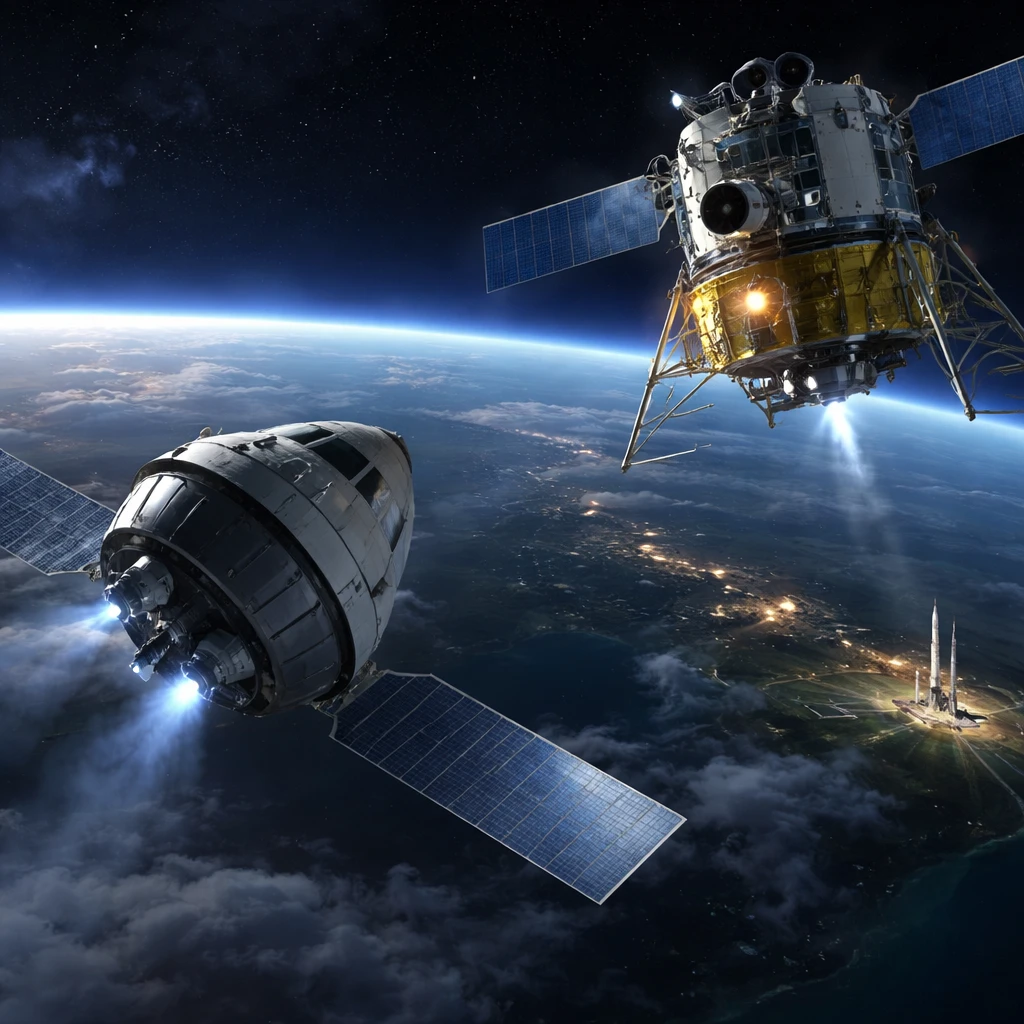
The revised Artemis III plan centers on the Orion spacecraft carrying astronauts into low-Earth orbit to practice docking with lunar lander vehicles. This in-orbit docking exercise is described as a critical milestone en route to a later crewed landing attempt. The additional mission will provide operational rehearsal for tasks that had been scheduled for an earlier flight profile.
Program changes and schedule context
NASA also decided not to proceed with a planned upgrade to the Space Launch System rocket. Instead of building a more powerful SLS upper stage, the agency will concentrate on increasing production of the current SLS variant and accelerating its flight rate, which has lagged behind other newer rockets. As a result, a roughly $2 billion Boeing contract to develop a more powerful SLS upper stage has been canceled under current plans.
The agency previously conducted an uncrewed test flight of SLS and Orion in 2022. Looking ahead, NASA is targeting an April launch of Artemis II, a crewed mission that will send four astronauts around the moon and back. The agency has set a crewed lunar landing under Artemis IV for 2028.
Industry roles and competition
Privately run companies are central to the lander element of the program. SpaceX and Blue Origin are each developing astronaut lunar landers and are competing to be selected to carry humans to the surface for NASA. Boeing and Northrop Grumman are responsible for building the SLS, while Lockheed Martin built the Orion crew capsule that will ferry astronauts to a lunar lander in space prior to descent to the surface.
Strategic context
NASA framed the added 2027 mission as extra rehearsal before attempting the more complex objective of landing astronauts on the moon, which had been planned for Artemis III under earlier planning. The program-level adjustments arrive as China advances toward its own stated objective of landing astronauts on the moon by 2030, a development that has been noted alongside U.S. safety experts' assessments that further testing is needed before proceeding with a crewed landing.
Key details
- New Artemis mission scheduled for 2027 to test in-orbit docking with lunar landers.
- Planned SLS upper stage upgrade canceled - Boeing's roughly $2 billion contract affected under current plans.
- Artemis II aimed for April launch as a crewed lunar flyby; crewed landing now scheduled as Artemis IV in 2028.