
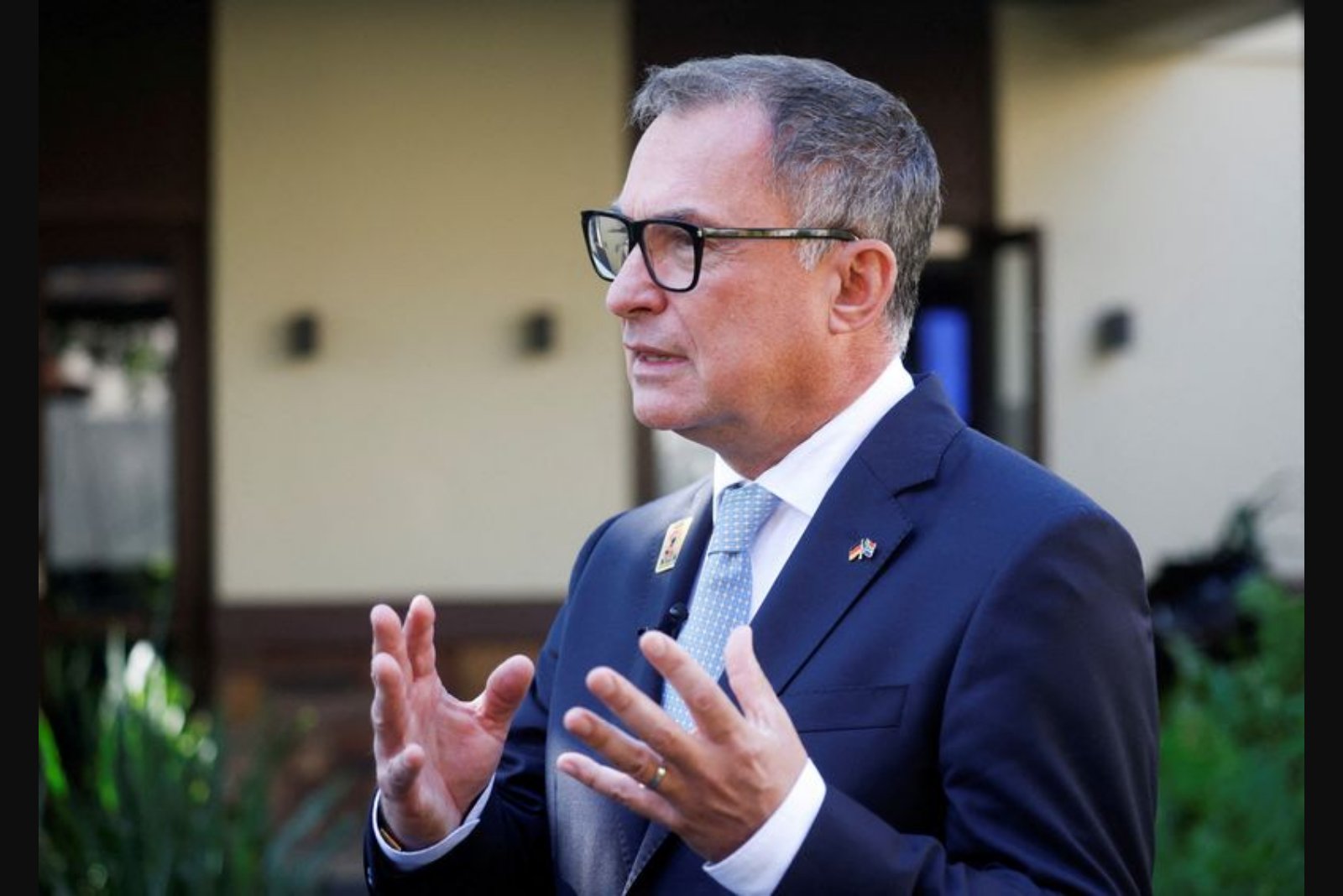
FRANKFURT - Joachim Nagel, a policymaker at the European Central Bank and president of the Bundesbank, cautioned that a prolonged conflict in Iran would amplify inflationary pressures in the euro area and dampen growth prospects, while stressing that it is premature to draw firm conclusions about monetary policy directions.
Speaking during the presentation of the German central bank's annual report for 2025, Nagel said the duration and intensity of the conflict will determine its economic fallout. "If the conflict comes to a swift end...the consequences for inflation would be short-term and limited overall," he said in his remarks. He contrasted that scenario with a more persistent shock to energy markets, adding: "By contrast, if energy prices were to remain elevated for an extended period of time, this would tend to lead to higher inflation and weaker economic activity in the euro area."
Nagel cautioned that it remains too early to draw conclusions for the setting of interesting rates.
The Bundesbank's annual report disclosed an 8.6 billion euro loss, which the bank attributed to bonds acquired under the asset purchase and other stimulus programmes enacted over the past decade. While Nagel noted that such losses have been narrowing, he said he expects the Bundesbank to finish 2026 still in the red.
The published accounts also show that the Bundesbank's stock of gold has not been relocated. The report lists 3,350 tonnes of gold remaining in storage across three locations: Frankfurt, New York and London.
Nagel framed the economic risks tied to the conflict in Iran principally through the lens of energy prices and their pass-through to inflation and activity. He emphasised the conditional nature of the outlook: a short-lived disruption would likely produce only transitory effects on consumer prices, while an extended period of elevated energy costs would be more damaging to both inflation and economic performance in the euro area.
Context from the Bundesbank accounts
- The Bundesbank recorded an 8.6 billion euro loss connected to bonds bought during stimulus programmes over the last decade.
- Although losses have been reducing in size, the Bundesbank is expected to remain in deficit through the end of 2026.
- The central bank's 3,350 tonnes of gold remain stored in Frankfurt, New York and London, according to the annual report.
Nagel's remarks underscore the interplay between geopolitical risk, energy markets and the euro-area inflation outlook, and they come as the Bundesbank documents the financial consequences of past monetary interventions. For policymakers and market participants, the key variables to monitor remain the persistence of any energy price shock and the subsequent implications for inflation and growth across the region.