
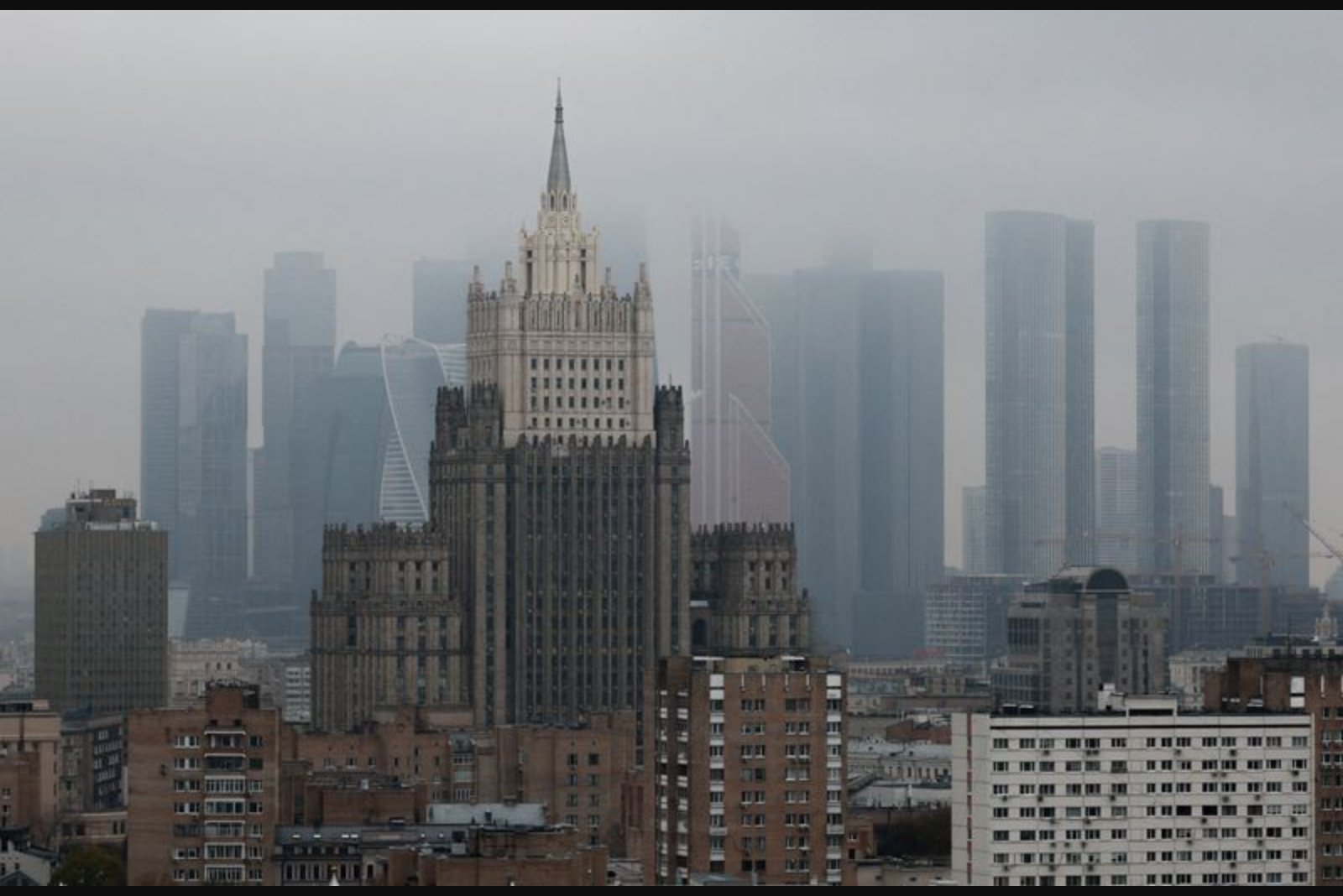
Moscow said it will reduce its large investment programme for 2026 and shrink municipal employment after reporting a marked slowdown in revenue growth in the opening months of the year. The decision - the first cut to the capital's investment plan since the COVID-19 pandemic - was disclosed by Mayor Sergei Sobyanin on his social media channel, where he typically highlights infrastructure projects such as roads and metro expansions.
"Results for the first two months show revenue growth slowed to 2%, below the 6.5% planned when drafting this year’s budget," Sobyanin said, announcing a 10% reduction in 2026 investments from 1.2 trillion roubles and a 15% cut in municipal staff.
Moscow projects revenues of about 6 trillion roubles for 2026, equivalent to more than 2% of national GDP. The city collects significant tax receipts because many large companies are headquartered there and remit payments to the capital - a dynamic that has long been a point of contention with less affluent regions.
The capital's retrenchment arrives as indicators point to broader deterioration in regional finances. While federal officials highlight the central government's moderate deficit and overall debt position, which benefit from the National Wealth Fund, a consolidated measure that includes regional budgets paints a weaker picture.
Russia's consolidated budget deficit - combining federal and regional accounts - widened to 8.3 trillion roubles in 2025, or 3.9% of GDP. That deficit was 2.6 times larger than in 2024 and sits well above the federal-level deficit of 2.6% of GDP.
A banking source, speaking on condition of anonymity, said the government is effectively steering regions toward more expensive borrowing from commercial banks despite an appearance that state-level debt is under control. At the same time, central authorities are preparing a substantial austerity programme intended to prevent depletion of fiscal reserves next year.
Data reviewed by Reuters show a shift in the composition of regional debt financing. The share of concessional loans from the federal budget in regional debt fell to 67% last year from 78% in 2024, while the portion financed by commercial bank debt rose roughly threefold, increasing regions' interest cost exposure.
On the revenue side, oil and gas levies - which have fallen in recent months - together with value-added tax, the backbone of federal receipts, continue to constitute the bulk of central government income. Regional revenues are more heavily dependent on corporate and personal income taxes, which are more susceptible to an economic slowdown.
Russia's economy cooled over 2025 after the central bank tightened lending policy to rein in inflation. In a late-2025 report, the Audit Chamber linked rising regional deficits to weaker corporate profits. Official statistics show corporate profits fell 5.5% in January-November 2025.
The number of regions running budget deficits increased to 74 in 2025 from 50 in 2024. Total regional spending rose 9% to 24.1 trillion roubles, while aggregate regional revenues increased 4% to 22.6 trillion roubles. Only four of Russia's 89 regions are expected to record budget surpluses this year, according to estimates from ratings agency Expert RA.
Expert RA projects that regions will post an aggregate deficit of 1.7 trillion roubles in 2026, a rise of 13% from the prior year. Regions reliant on struggling sectors - such as coal mining - are particularly exposed to fiscal stress, the agency notes.
Analyst Natalia Zubarevich warned that absent a resumption of economic growth, some regions will likely curtail spending, prioritising cuts in infrastructure and development budgets.
Additional fiscal burdens include generous payments linked to the conflict in Ukraine. In Moscow, payments to volunteers exceed 5 million roubles per person for the first year, and payments to families of volunteers have added to regional budget pressures.
The central bank reported that regional authorities stepped up issuance in the municipal bond market in late 2025 to help plug budget shortfalls, with volumes in November and December reaching levels not seen since May 2021.
Exchange rate cited in official reporting was $1 = 78.5000 roubles.