
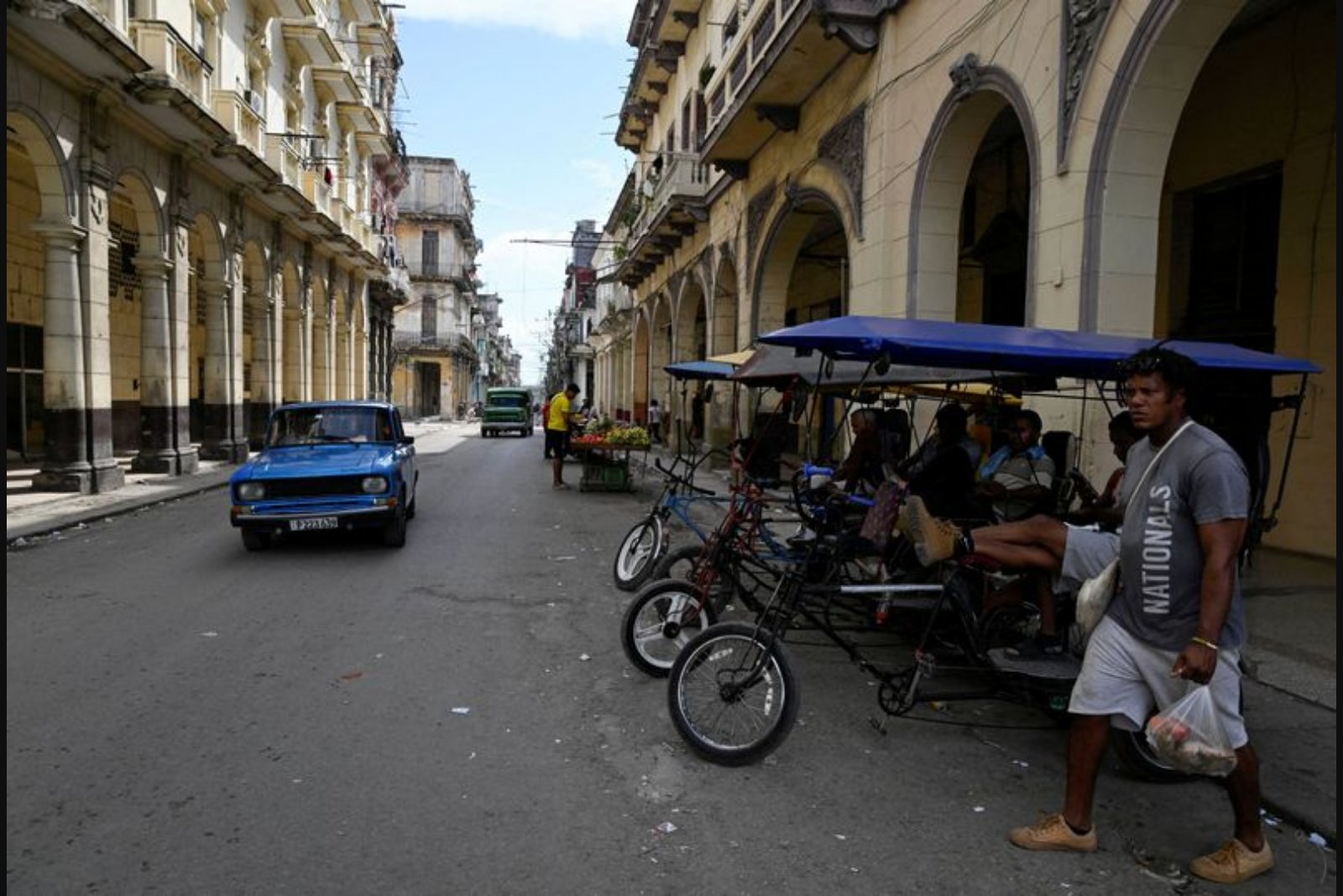
Moscow, March 17 - Russia said on Tuesday it stands in full solidarity with Cuba, expressing deep concern about a recent escalation of tensions surrounding the Caribbean nation after remarks by the U.S. president that he expected to have the honour of "taking Cuba" and that "I can do anything I want" with the Communist-run republic.
In a statement that did not name the U.S. president directly, Russia's foreign ministry warned against what it framed as coercive interference in Cuba's affairs. The ministry said it was alarmed by mounting pressure on what it called the "Island of Liberty," and added that Moscow "reaffirms its unwavering solidarity with the government and fraternal people of Cuba."
The foreign ministry's statement condemned what it described as efforts of "gross interference in the internal affairs of a sovereign state, intimidation and the use of illegal unilateral restrictive measures." Russia said it had been in contact with Cuba's leadership and was prepared to extend all possible assistance.
Russia underscored that it has been and will continue "to provide Cuba with the necessary support, including financial support," language intended to signal sustained backing as the island confronts intensified external pressure.
U.S. pressure and reports on Cuban leadership
The U.S. has increased economic pressure on Cuba in recent months, including measures described as an oil blockade that, according to the statement, have severely disrupted the island's already outdated power generation infrastructure. Separate reporting has suggested that removing Cuban President Miguel Diaz-Canel was a central objective for U.S. negotiators.
The New York Times, citing four people familiar with the discussions, reported that American officials have conveyed to Cuban negotiators that Diaz-Canel must be removed, while leaving the subsequent steps to Cuban actors. Russia's comments followed those reports and the broader uptick in tensions.
Moscow's geopolitical calculations
The Kremlin highlighted its readiness to assist Havana as the island confronts "unprecedented challenges," which the foreign ministry attributed to the cumulative effects of long-term trade, economic and financial constraints and, more recently, a U.S. energy embargo.
The statement also noted that Russia had been deprived of an ally when the United States toppled Venezuelan leader Nicolas Maduro, while saying Moscow had benefited from higher oil prices after a U.S. and Israeli attack on Iran, which the statement identified as a strategic partner of Russia.
Historically, the statement recalled, Cuba was a close Moscow ally following the 1959 revolution that brought Fidel Castro to power up to the collapse of the Soviet Union. In more recent years Russia has supported the island with both financing and material goods, and it reiterated its intention to continue doing so.
Russia's public response frames the current tensions as part of a continuum of external pressures on Havana and signals Moscow's willingness to remain an active backer of the Cuban government amid heightened international scrutiny.