
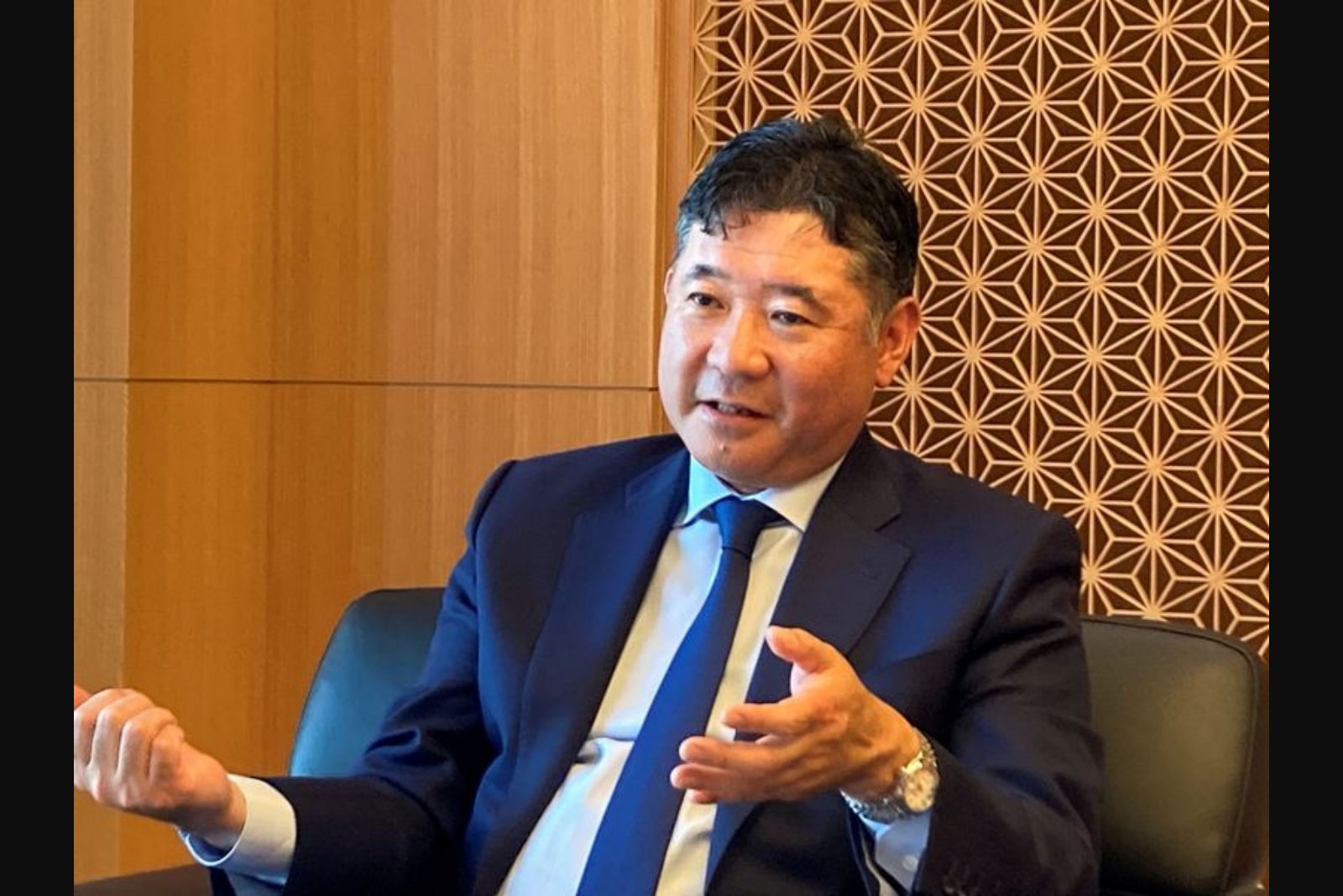
The Bank of Japan could raise its policy rate again as soon as March or April and may deliver as many as three hikes over the course of the year, Kenya Koshimizu, co-head of global markets at Mizuho Financial Group, told Reuters in Tokyo on Thursday. His assessment rests on two persistent conditions cited repeatedly: inflation running above the BOJ's target and a weaker yen.
Koshimizu said recent macro conditions give the BOJ room to move. "With the yen having weakened and inflation continuing to run above the BOJ's target, we can expect as many as three rate hikes this year, and it’s entirely possible that the next one could come as early as March or April," he said. He pointed to several favourable elements in the economy, including nominal growth of roughly 3-4 percent and what he described as a clearer policy stance coming from Prime Minister Sanae Takaichi.
Those improvements, Koshimizu said, will lead the BOJ to tighten monetary policy in step with the changing environment. The central bank raised its policy rate to 0.75 percent in December - the highest level in 30 years - and has signalled it is prepared for further increases if warranted by conditions.
Market expectations for the timing of the next BOJ move remain mixed. A poll conducted last month showed most economists anticipated the central bank would hold off until July to assess the effects of the December quarter-point rise. Koshimizu, however, stressed that the window for earlier action remains open given the persistence of inflation and currency weakness.
"In an era of 3%-4% nominal economic growth, a 10-year yield in the 2% range isn’t particularly surprising. It could rise further without it being out of line," Koshimizu said, addressing recent selloffs in government bonds and the uptick in long-term yields.
The benchmark 10-year Japanese government bond yield, which reached a 27-year high of 2.38 percent in late January amid concerns over public finances, had eased to about 2.2 percent on Thursday. Koshimizu added that actions taken by the Takaichi administration, such as elements of the draft budget, give the impression that fiscal discipline is being considered and that Japan’s flow-based fiscal balance is improving rapidly.
This view from a major domestic market participant underscores the interplay between inflation, currency moves and fiscal signals in shaping BOJ policy choices. If the BOJ follows the timeline Koshimizu outlined, markets - including government bonds and the foreign exchange market - may face additional volatility as investors reassess rate expectations and the pace of tightening.