
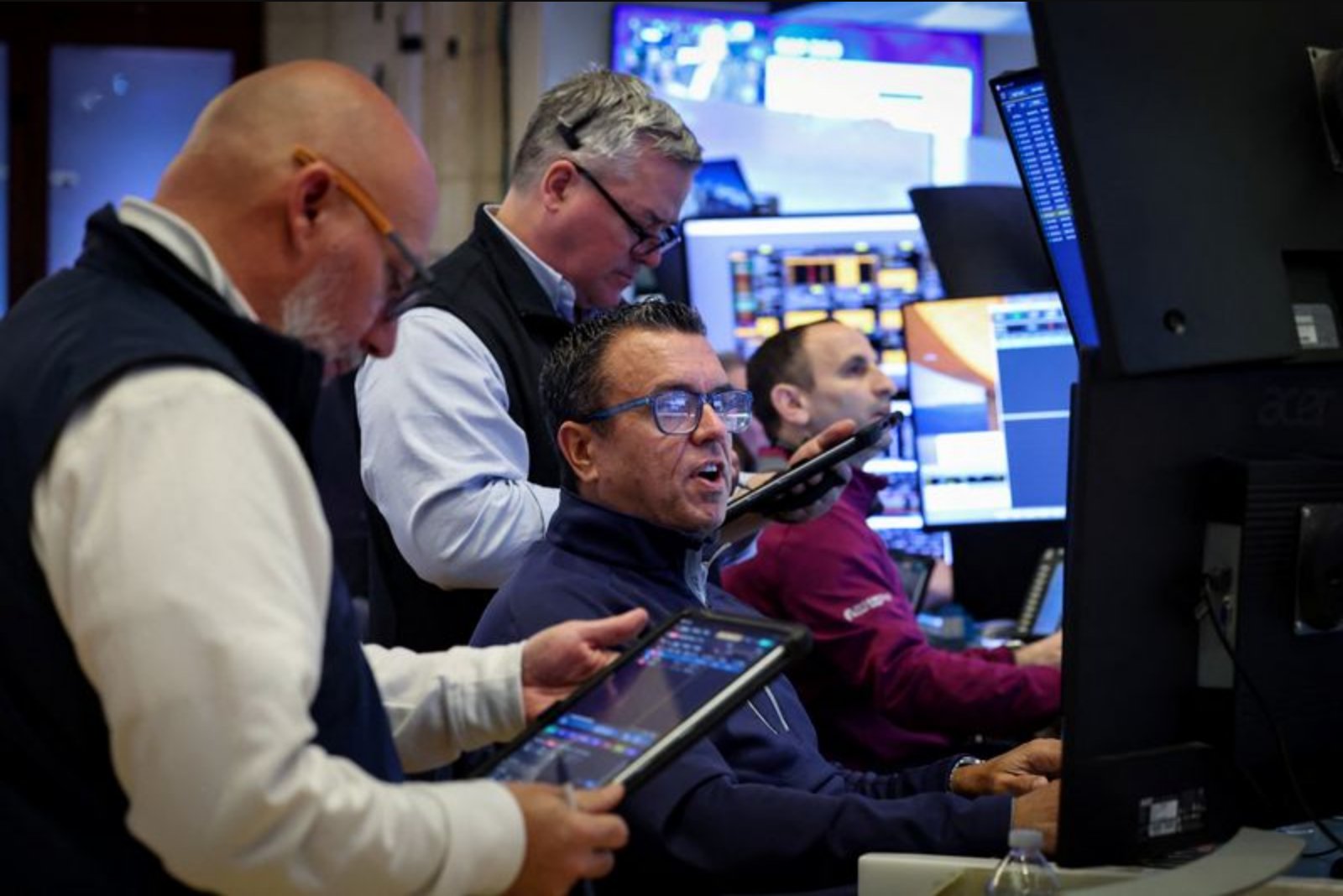
March 13 - Investors enter the coming week seeking clearer direction from U.S. Federal Reserve policymakers on how the conflict in the Middle East is shaping expectations for interest-rate cuts this year. The central bank’s two-day policy meeting arrives after what officials say is the first gathering since U.S. and Israeli air strikes on Iran roughly two weeks ago, an escalation that has sent oil prices sharply higher and rippled through financial markets.
Fed officials will confront the economic implications of the energy shock during their meeting, assessing both inflationary pressure and potential effects on growth. The central bank will publish updated economic projections on Wednesday, a release that market participants expect will shed light on how policy makers are weighing the conflict’s risks.
Financial markets have already adjusted expectations for easing. "The Fed is going to be front and center, especially given the fact that we have seen the market push back... these rate cut expectations," said Angelo Kourkafas, senior global investment strategist at Edward Jones. The pullback in anticipated cuts has been a headwind for the bulls who had relied on future easing as a key support for equities and other risk assets earlier this year.
Equities and volatility metrics have reflected rising investor concern since the Iran conflict intensified. U.S. stock indexes have moved lower and equity volatility has climbed. The benchmark S&P 500 was more than 4% below its late-January record closing high as of Thursday and was on track for a third straight weekly loss.
Much of the market attention has focused on the dramatic swing in energy prices. U.S. crude briefly approached $120 a barrel at the beginning of the week and last traded near the psychologically important $100 level. Iranian officials warned that the world should be prepared for oil at $200 as their forces struck merchant ships during the week, underscoring how military developments are directly affecting commodity markets.
Traders are reacting quickly to any new information on the conflict. "We’re seeing wild swings in the market as traders are latching on to any hint of developments, positive or negative, on the Iran conflict," said Sid Vaidya, chief investment strategist at TD Wealth.
FED ON HOLD FOR LONGER?
Market consensus is that the Fed will keep its policy rate unchanged for a second consecutive meeting when it releases its statement on Wednesday. Policymakers eased policy last year to support a weakening labor market, but then paused their easing in January as they judged that risks to employment and inflation had diminished.
Investors had been pricing in a series of rate cuts this year, which would ordinarily provide support for asset prices, including equities. Those expectations have been scaled back amid concerns that rising energy costs could push inflation higher and defer or reduce the extent of policy easing. "We believe this will just keep the Fed in a holding pattern for longer," Vaidya said.
At the same time, a surprisingly weak February jobs report introduces a countervailing influence that could keep some Fed officials biased toward easing. Fed funds futures on Thursday implied roughly one quarter-percentage-point cut by December, down from pricing of two such cuts as of late February, according to LSEG data.
FED PROJECTIONS AND POWELL’S REMARKS IN FOCUS
Alongside the statement, the Fed will update its projections for interest rates, inflation and the labor market. Market participants will also parse Fed Chair Jerome Powell’s press conference on Wednesday for insight into how policymakers view the impact of the conflict on their policy path. "I think it’s going to set the table for the year and how to look at inflation being induced by oil prices," said Paul Nolte, senior wealth adviser and market strategist at Murphy & Sylvest Wealth Management.
Powell will face markets with just two meetings left before his term as chair expires in May. The next substantive policy move might not occur until President Donald Trump’s nominee for Fed chair, former Fed Governor Kevin Warsh, is expected to have taken over the central bank’s leadership.
OTHER MARKET THEMES
Beyond the policy meeting, investors are anticipating Nvidia’s annual developer conference in the coming week, an event that could refocus attention on the artificial-intelligence sector - a trade that contributed to volatility for technology and other shares earlier in the year. Nonetheless, analysts expect that headlines related to Iran will continue to play a dominant role in driving market movements.
"Headlines continue to drive market movements as investors wait for greater clarity on the timing of a U.S. exit strategy," Adam Turnquist, chief technical strategist for LPL Financial, said in a written commentary on Thursday.
Promotional material included in market coverage this week asks investors what the best investment opportunities for 2026 are and suggests that better data and analysis can aid decision-making. The commentary notes that institutional-grade data combined with AI-powered insights can help find investment opportunities more often, though it also cautions that such tools do not guarantee winners.
As the Fed meeting unfolds and headlines continue to emerge from the Middle East, market participants will weigh the twin forces of an energy-driven inflation risk and weaker labor-market signals in forming expectations about the pace and scale of future rate cuts.