
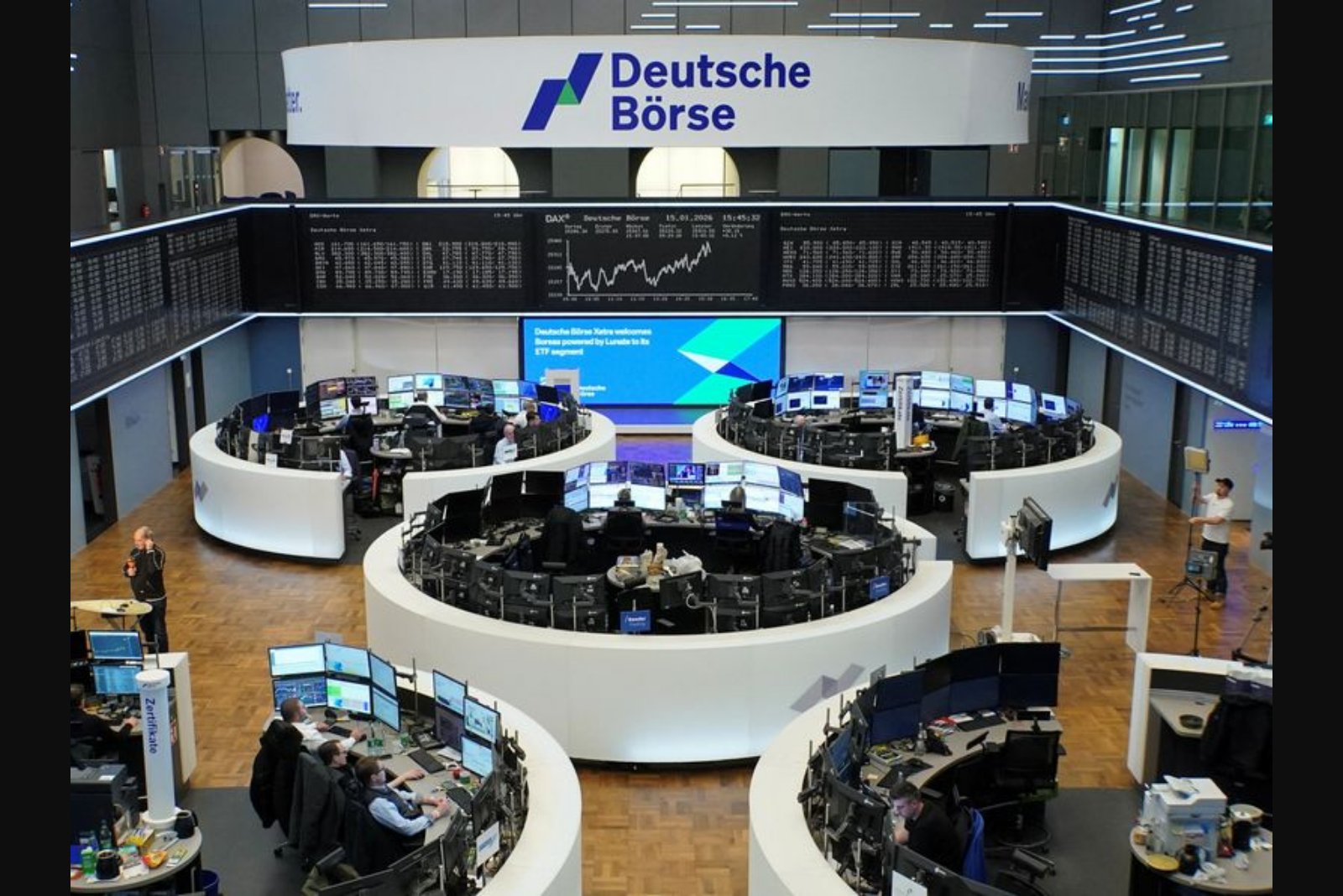
Global stock markets extended gains on Monday, led by a resilient technology sector, while a domestic policy move in Washington and a softening dollar set the tone for investors as the week begins.
The U.S. Environmental Protection Agency said the administration plans this week to rescind the so-called endangerment finding - the Obama-era scientific determination that concluded greenhouse gas emissions pose a danger to public health. That determination has served as the legal foundation for federal regulation of greenhouse gases. EPA Administrator Lee Zeldin, speaking to The Wall Street Journal, described the change as "the largest act of deregulation in the history of the United States."
Market participants flagged the decision as a potential new source of volatility for investors focused on environmental, social and governance criteria, though the broader equity market continued to climb.
Currency markets were notable for the continued weakness in the U.S. dollar ahead of a slate of important U.S. economic reports scheduled this week. Those releases include retail sales on Tuesday, delayed payrolls data for December on Wednesday, and inflation figures on Friday. The dollar index, which tracks the greenback against a basket of six currencies, was trading near its lows for the month.
On policy commentary, White House economic adviser Kevin Hassett said on Monday that job gains could slow in coming months as the administration’s immigration policies restrain labour growth, while advances in artificial intelligence raise productivity. The remarks signal potential moderation in employment gains, a factor investors and companies watch closely.
Interest-rate markets continued to price in a steady Federal Reserve through the spring. Fed funds futures, via the CME Group’s FedWatch tool, pointed to market expectations that the central bank will keep interest rates unchanged until June.
Among officials, Fed Governor Stephen Miran told reporters on Monday that the administration’s tariff policy has been less damaging than many anticipated. He again urged a substantial reduction in interest rates, while defending central bank independence but noting that that independence is not absolute.
Despite political and policy noise, global equity benchmarks rose. MSCI’s All-Country World Index increased 0.2% to a record, and Japan’s Nikkei 225 jumped 2.5%, marking a third consecutive day of gains and a fresh peak following the weekend election victory of Prime Minister Sanae Takaichi. The yen firmed for a second day, finishing 0.4% stronger versus the U.S. dollar.
In early European trading, pan-region futures and German DAX futures were largely unchanged, while FTSE futures were up 0.1%.
Corporate results and scheduled economic items that could sway markets on Tuesday include earnings from AstraZeneca, BP, Barclays, Philips, Kering, Banca Monte dei Paschi di Siena, Telecom Italia and Ferrari. On the economic calendar, France will release its unemployment rate for the fourth quarter and the United States will publish retail sales data for December. Sovereign debt supply includes five-year government debt auctions in Germany and the UK.
For investors weighing opportunities this year, the article included commentary on the value of higher-quality data and analytics in identifying attractive investments. The piece noted that institutional-grade data combined with AI-driven insights can help investors sift through opportunities, while clarifying that such tools do not guarantee returns.
Overall, markets began the week in a risk-on posture even as policy developments in Washington and incoming economic data promise to shape positioning over the coming sessions. Analysts and practitioners will be watching corporate earnings, labor and inflation prints, and debt auctions as the week unfolds.