
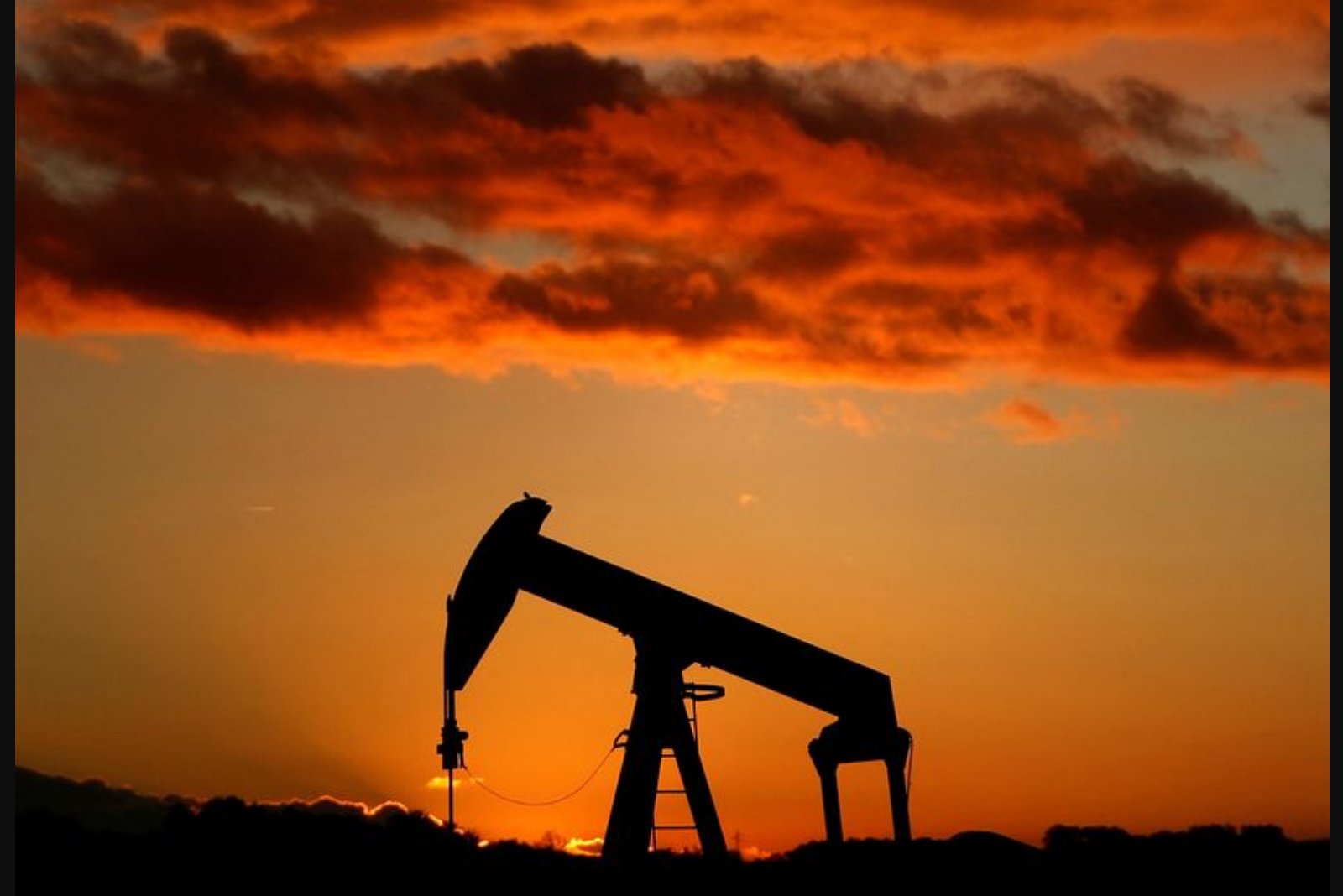
Orlando, Florida, March 16 - Global markets firmed on Monday as investors reacted to a retreat in oil prices, a softer dollar and lower Treasury yields. Technology stocks powered gains on Wall Street, while currency and bond markets adjusted to a renewed expectation that the Federal Reserve could lower rates before the end of the year. The moves followed a day in which crude volatility calmed after earlier spikes tied to Middle East supply concerns.
The market activity comes at the start of an unusually busy week for central banks. It is the first time since 2021 that the major 'G4' central banks are meeting in the same week, and only the second occasion ever that has occurred. Market participants have rapidly repriced global interest-rate expectations since the outbreak of conflict in the Middle East, a shift that some market observers describe as aggressive.
For readers who want more context on the themes driving today’s flows, a short list of recommended reads includes developments on allied support for the Strait of Hormuz, the Federal Reserve’s updated economic outlook, questions about the timing of the U.S.-China summit, expansive comments on the AI chip opportunity, and an unexpected infrastructure failure in Cuba.
- US allies rebuff Trump’s request for support in Strait of Hormuz
- Fed to present an updated outlook looking through the fog of war
- Trump-Xi meeting not in jeopardy but could be delayed, White House says
- Nvidia CEO Huang sees at least $1 trillion of AI chip revenue opportunity through 2027
- Cuba’s national electric grid collapses, leaving millions without power
Key market moves on the day
- Stocks: Asian trading was mixed, with South Korea up 1.7% and Japan down 0.5%. European equities gained about 0.5% and U.S. benchmarks delivered solid advances, including a 1% rise in the S&P 500 and a 1.2% climb in the Nasdaq.
- Sectors: Every S&P 500 sector closed higher. Technology led with a 1.4% rise, consumer discretionary gained 1.3%. Major tech names showed notable moves: Meta rose 2.2% and Nvidia added 1.6%.
- Foreign exchange: The dollar index fell 0.6%, marking its largest one-day drop in about a month. The Australian and New Zealand dollars were the biggest G10 gainers at +1.4% each. Selected emerging market FX - Brazil, South Africa and Mexico - strengthened roughly 1.5%, while bitcoin rallied about 4%.
- Bonds: U.S. Treasury yields declined by as much as 7 basis points, with a slight bull-flattening of the curve. Markets moved back to fully price a Fed rate cut by year-end.
- Commodities and metals: Oil prices fell in the range of 3% to 5% on the session. Gold was essentially flat, while platinum and palladium each gained about 4%. Average U.S. gasoline prices were reported at $3.72 per gallon, reflecting a 27% increase over the past month.
Examining the talking points
Allied response on the Strait of Hormuz - Several longstanding U.S. partners have publicly declined to assist in efforts to re-open the Strait of Hormuz, an action that would facilitate tanker movement and could relieve downward pressure on fuel costs. Countries including Germany, Italy and Spain have rebuffed a request from the U.S. administration. German Chancellor Friedrich Merz said there was no mandate from the UN, EU or NATO and added that Washington did not consult Germany before beginning military action. Relations with European and NATO partners remain strained, and any cooperation will require substantial diplomatic negotiation. Earlier in the year, tensions were heightened after the U.S. administration threatened to take Greenland, a move that further alienated allies.
Dollar depreciation and global rate repricing - The dollar’s sharp fall on Monday was driven by sliding Treasury yields and a rotation by U.S. rates traders back toward a fully priced-in Fed cut by year-end. The moves were most pronounced versus the Australian and New Zealand dollars. With a slew of central bank meetings this week - starting with the Reserve Bank of Australia - markets face a heavy dose of policy guidance and forward-looking statements, increasing the potential for heightened FX volatility.
U.S.-China engagement and the summit timetable - Senior officials from both countries met in Paris: U.S. Treasury Secretary Scott Bessent and Chinese Vice Premier He Lifeng held talks described as 'candid and constructive.' They outlined potential 'deliverables' for a scheduled summit between Presidents Trump and Xi Jinping in Beijing set for March 31-April 2. However, White House officials indicated the summit might be postponed if the U.S. president must remain in Washington to prosecute the conflict with Iran. The summit is two weeks away, and that window leaves room for developments that could affect market sentiment.
Near-term market movers to watch
- Updates from the Middle East
- Energy market price action
- Australia interest rate decision and Reserve Bank Governor Michele Bullock’s press conference
- Indonesia interest rate decision
- Germany ZEW investor sentiment index for March
- U.S. pending home sales for February
- U.S. Treasury sale of $13 billion of 20-year bonds at auction
- The U.S. Federal Reserve begins a two-day policy meeting
Investors and market participants should be prepared for rapid shifts as central bank commentary and geopolitical developments arrive over the coming days. The interplay between energy prices, FX, bond yields and equity sector leadership will be central to how traders position ahead of key policy decisions.
About additional market tools
For those weighing individual equity decisions, some model-driven stock selection services evaluate companies like Nvidia alongside thousands of others using more than 100 financial metrics. These approaches compare fundamentals, momentum and valuation to identify candidates with favorable risk-reward profiles; past highlighted winners from such screens have included Super Micro Computer (+185%) and AppLovin (+157%). Readers interested in whether Nvidia is featured in any current strategies can consult those specific stock-scan offerings.