
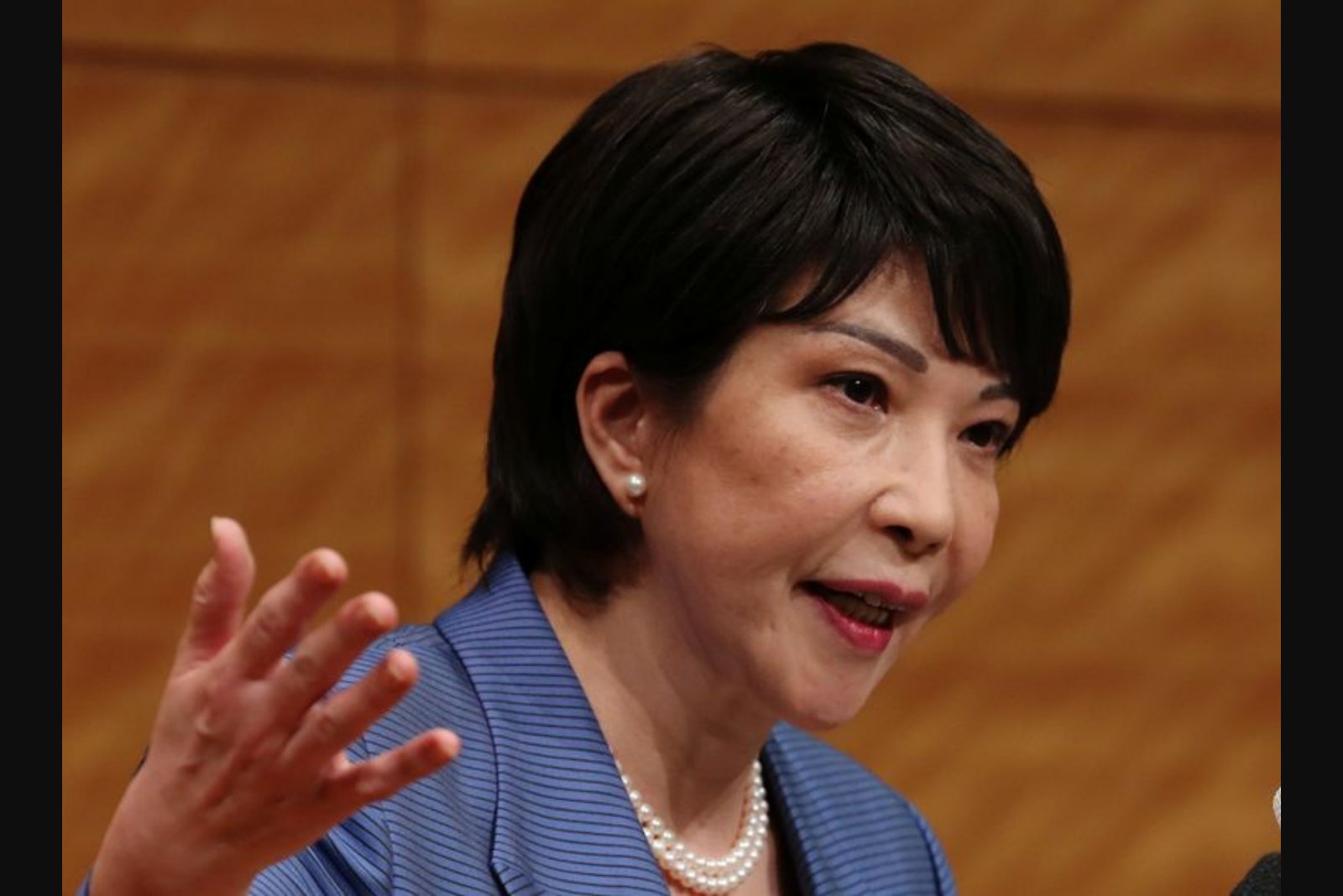
ORLANDO, Florida, Feb 9 - Global equities posted broad gains on Monday as investors cheered Japanese Prime Minister Sanae Takaichi's commanding election victory and technology stocks recovered from recent weakness. At the same time, the U.S. dollar weakened amid reports that China has advised its financial institutions to trim holdings of U.S. Treasury securities.
The market reaction was multi-faceted. Japanese equities led the advance, reflecting hopes that political clarity at the top of Japan's government could translate into policy moves supportive of risk assets. But analysts note significant open questions remain about how Tokyo intends to deliver promised tax cuts and increased spending - a financing challenge that is likely to keep pressure on the yen and Japanese government bonds.
Market snapshot
- Stocks: Japan's Nikkei jumped 4% to reach a new high. South Korea's benchmark also rose 4%, while mainland China gained 2%. Several markets including Europe, Brazil and Mexico hit new highs. Gains in the United Kingdom were smaller. U.S. markets finished the session higher.
- Sectors and shares: The S&P 500 software index climbed 3%, the broader technology sector rose 1.6%, and materials advanced 1.4%. Consumer staples lagged - down 0.9%. Notable movers included Oracle, up 10%; Palantir, up 5%; Microsoft, up 3%; and Nvidia, up 2.5%.
- Foreign exchange: The yen strengthened broadly while the dollar slid across the board. The Swiss franc spiked higher. The Thai baht rose about 1% in response to the Japanese election. The Chinese yuan reached a three-year high.
- Bonds: Japanese government bonds recovered some of the losses recorded immediately after the election. U.S. Treasury yields were largely unchanged along the curve.
- Commodities and metals: Gold rose about 2%, silver surged roughly 7%, U.S. copper gained 1.5% and oil increased around 1%.
Why the election move matters - and where uncertainty remains
Sanae Takaichi's resounding victory gives her an unusually strong political mandate. Markets are now focused on the mechanics of her platform - notably promises of tax cuts combined with stepped-up spending. Takaichi has described the forthcoming measures as "responsible" fiscal stimulus. One option discussed by market participants is the sale of foreign assets to help finance the package - an idea made plausible by the scale of Japan's overseas reserves.
Japanese equity markets appear relatively indifferent to the question of funding sources. By contrast, currency and sovereign bond markets are likely to be more sensitive. The yen and Japanese government bonds will respond not only to the size of any stimulus but also to how Tokyo intends to reconcile the fiscal outlook with market expectations for debt sustainability.
Other political and corporate cross-currents
In the United Kingdom, Prime Minister Keir Starmer faces a starkly different political picture. Although he won a commanding mandate about 18 months ago, Mr. Starmer has come under intense scrutiny amid controversy tied to the Peter Mandelson/Jeffrey Epstein matter. Close aides have resigned, and calls for his departure have grown, even as Labour lawmakers offered him continued backing on Monday. The political turbulence has put pressure on gilts and weighed on sterling against the euro, though the pound's decline versus the dollar has been less pronounced.
On the corporate front, demand for big tech debt suggests investor appetite for financing linked to AI investments remains strong. Google's parent company reportedly attracted more than $100 billion of bids for a planned $15 billion bond offering - a show of investor confidence that contrasts with the market reaction last week when the firm's statement that it could spend up to $185 billion on AI this year pressured shares. The depth of demand for other hyperscalers' bond issuance remains an open question for markets.
Recommended reading and context
For readers seeking further detail on the themes shaping today's moves, the following pieces explore central threads that investors are weighing:
- How Takaichi's landslide could clear the way for tax cuts.
- Analysis of Japan's foreign exchange reserves as potential revenue sources for new policy plans.
- Coverage of last week's weakness in U.S. software stocks and implications for AI-driven market dynamics.
- Reporting on the sentencing of China critic Jimmy Lai following a major Hong Kong trial.
- A note on oil prices and what they are - and are not - signaling about the market.
Events to watch
Market participants will be watching a slate of economic data and corporate reports that could influence direction in coming sessions. Key items on the calendar include:
- Australia - consumer sentiment for February.
- Brazil - inflation figures for January.
- United States - retail sales (December) and import prices (December).
- U.S. Treasury - auction of $58 billion of three-year notes.
- Global corporate earnings including reports from Coca-Cola, AstraZeneca, BP, Barclays, Spotify, Ford and Honda.
- Speeches by Federal Reserve officials, including Cleveland Fed President Beth Hammack and Dallas Fed President Lorie Logan.
These releases and events are likely to generate market moves in the near term as investors reassess growth, inflation and funding dynamics across regions.