
Economy March 20, 2026

Markets Lift Odds of Bank of Canada Hikes After Middle East Shock; Year-End Path Now Points Higher

Overnight swap markets push probability of an April move above 20% and price a cumulative 75 basis points of tightening by year-end amid energy-driven inflation concerns

By Avery Klein
Markets Lift Odds of Bank of Canada Hikes After Middle East Shock; Year-End Path Now Points Higher

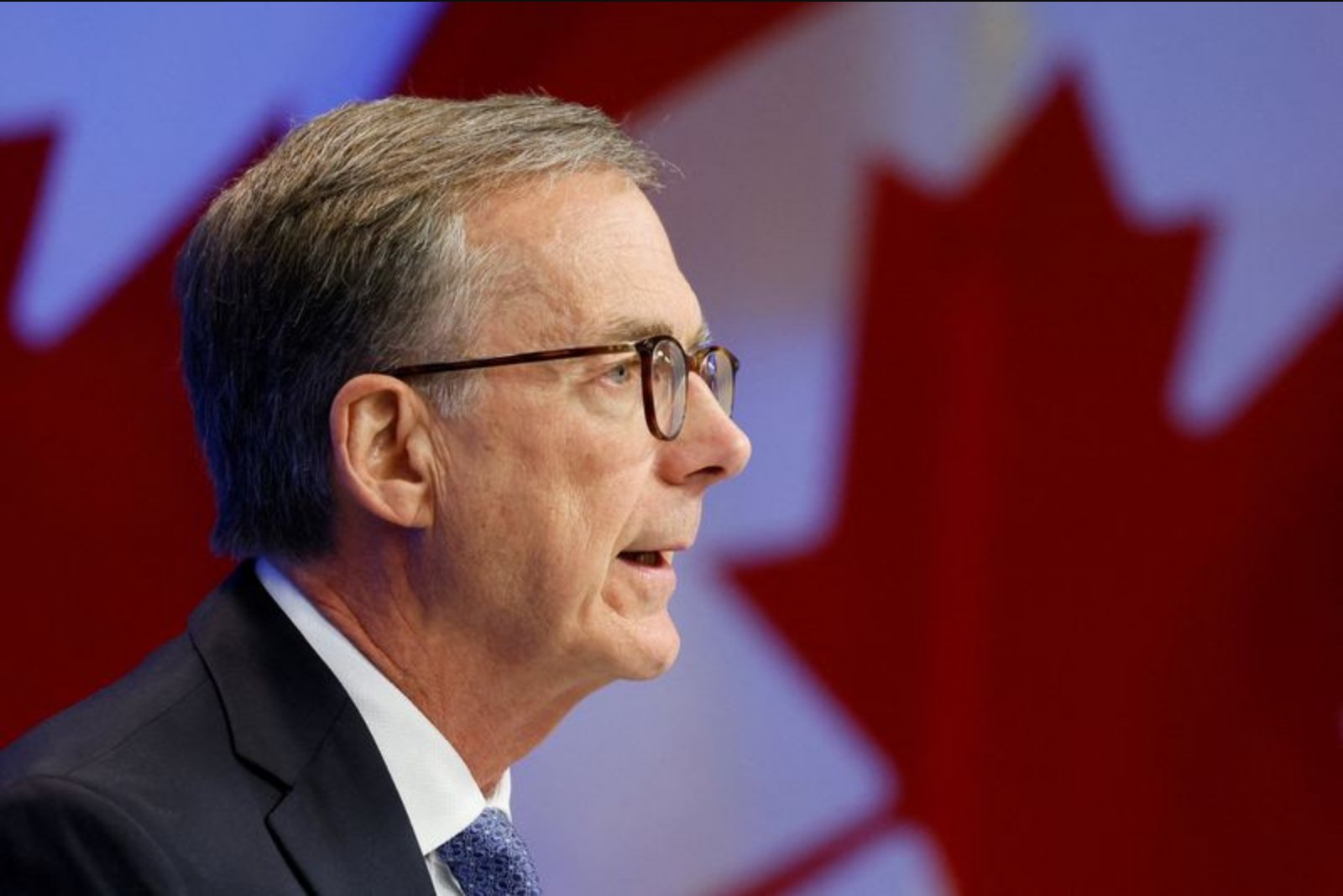
Money markets have increased the likelihood of a Bank of Canada rate hike next month to over 20% and now price a total of 75 basis points of tightening by the end of the year. The shift follows geopolitical escalation after strikes on Iran on February 28, higher oil and LNG prices, and supply concerns for fertilizers that have revived inflation and recession worries. The BoC has held its policy rate at 2.25% since October; Governor Tiff Macklem warned of acting if elevated energy costs broaden into persistent inflation, while some economists urge caution given Canada's economic weakness.

Key Points

  • Money markets now place a greater-than-20% chance on an April Bank of Canada rate hike, led by the overnight interest rate swap market.
  • LSEG data show markets pricing a total of 75 basis points of tightening in the BoC policy rate by year-end, up from markets that had recently expected only a 25 basis point increase in December.
  • Rising oil and LNG prices and fertilizer supply concerns - driven by conflict that closed the Strait of Hormuz - are key factors pushing markets to re-price inflation and policy paths; this affects energy, banking and household sectors.

Money markets raised the probability of a Bank of Canada rate increase on Friday, assigning a better-than-20% chance that the central bank will tighten policy next month as the conflict involving Iran shows no sign of abating and oil prices climb.

The move was driven largely by activity in the overnight interest rate swap market, which had earlier priced in only a barely 4% chance of an April hike. LSEG data show the market now points to a cumulative 75 basis points of increases in the BoC's benchmark policy rate by year-end. Just one day earlier, markets were signalling only a single 25 basis point rise pencilled in for December.

Market expectations have shifted sharply since late February. Before U.S.-Israeli strikes on Iran began on February 28, traders had been tilting toward a mid-year rate cut. The subsequent escalation has spread through the Gulf and forced the closure of the Strait of Hormuz, a waterway responsible for almost a fifth of global oil trade.

That disruption has been accompanied by a steep jump in liquefied natural gas prices and concerns about potential shortages of fertilizers. Those developments are reviving upside risks to global inflation and heightening fears of recession, factors that market participants say have prompted the re-pricing of the Bank of Canada outlook.

The Bank of Canada has maintained its policy rate at 2.25% since October. Governor Tiff Macklem said this week that the bank has some time to observe how the Iran conflict affects Canada’s economy but warned that if energy prices remain elevated, the central bank would "not let their effects broaden and become persistent inflation."

At the same time, a number of economists cautioned that raising interest rates while the Canadian economy shows signs of weakness could harm businesses and households. Those economists contend the BoC should remain on the sidelines for the rest of 2026 to avoid exacerbating domestic economic strain.


Contextual note: Markets referenced above are predominantly reflecting pricing in the overnight interest rate swap market and the shifts in expectations are based on LSEG data as reported.

Risks

  • Persistent elevated energy prices could broaden into sustained inflation, pressuring the BoC to tighten policy further - impacting borrowers, banks and inflation-sensitive sectors.
  • Raising interest rates amid signs of economic weakness in Canada could hurt businesses and households, increasing recession risk and weighing on credit-sensitive parts of the economy.
  • Supply disruptions in oil, LNG and fertilizer markets linked to the Gulf conflict could amplify commodity volatility and inflation uncertainty, affecting energy and agricultural sectors.

More from Economy

Global Bond Sell-Off Intensifies as War-Driven Energy Shock Raises Inflation Fears Mar 20, 2026 Markets Brace as Middle East Conflict and Energy Shock Cloud Economic Outlook Mar 20, 2026 Russell 2000 Falls Into Correction as Middle East Conflict Rekindles Inflation Fears Mar 20, 2026 Markets Rapidly Price in Fed Rate Hike; July Move Now Seen as Plausible Mar 20, 2026 Pentagon Draws Up Ground-Force Options for Iran Mar 20, 2026