
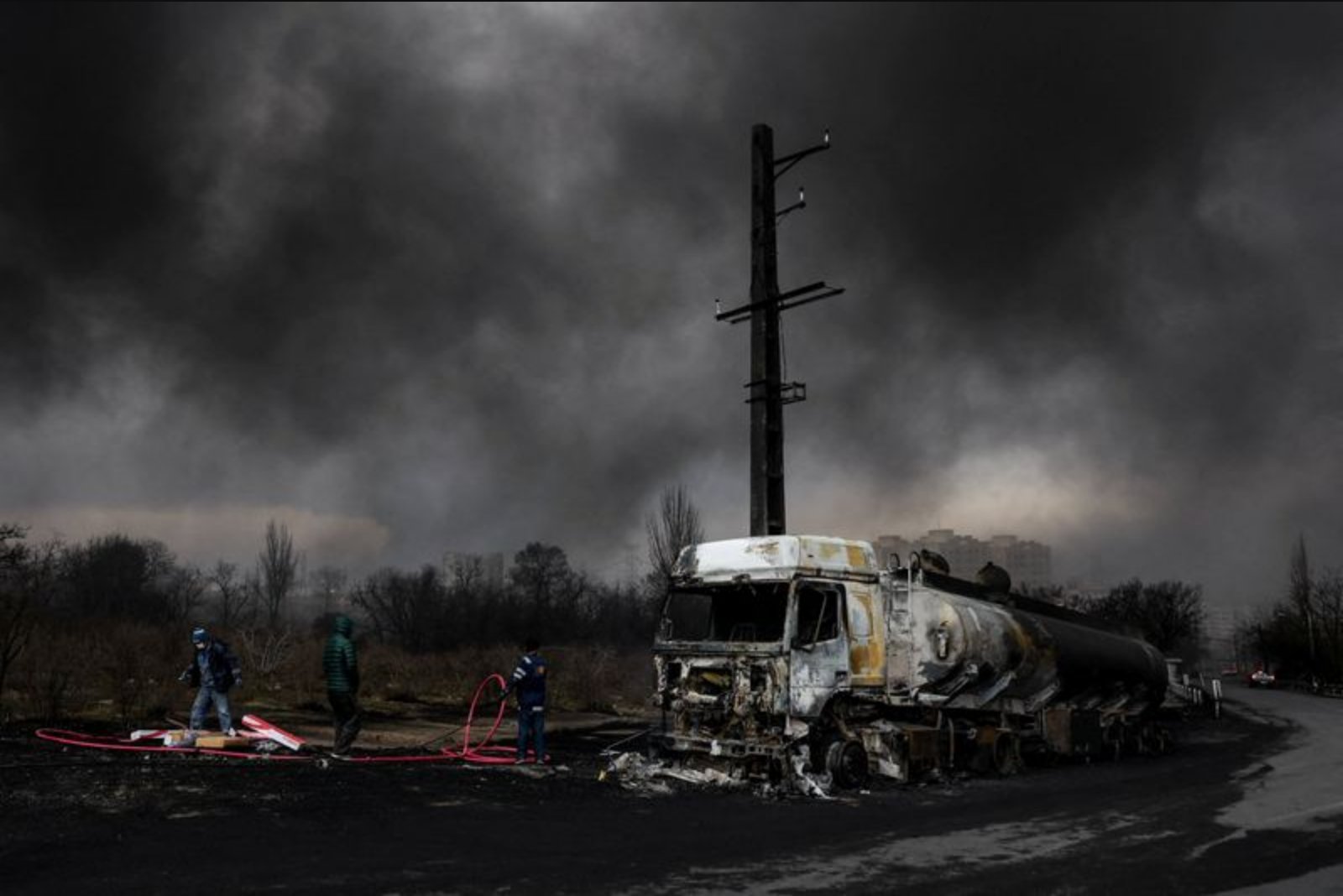
Markets moved sharply to price in greater economic disruption after attacks on energy facilities across the Middle East, stemming from the conflict between Iran and Israel. Oil climbed to as high as $119 a barrel on Thursday as a consequence of the strikes, while European gas prices leapt 22% in a single day, underscoring the continent's reliance on energy imports.
The ripples extended through global financial markets. Investors sold a wide array of assets, from government bonds to equities and bullion, reflecting a reassessment of the possible economic fallout from the fighting. The spread between Brent crude and U.S. West Texas Intermediate widened to $12.05 per barrel on Wednesday, marking its largest gap since March 2015 and signaling acute regional supply dislocations affecting international markets.
Central bank communications and actions added another layer to market stress. All G7 central banks met within a window of less than 24 hours - a rare clustering of policy events - and hawkish tones from policymakers fed traders' concerns about inflation and policy paths. That sentiment shift pushed government bond yields higher across major markets, from Britain to Italy and the United States.
The move in the UK was particularly pronounced. Two-year gilt yields, which closely track expectations for interest rates, rose by more than 30 basis points on Thursday. That swing represented the biggest single-day increase since the turmoil surrounding former Prime Minister Liz Truss' 2022 economic plan.
Safe-haven and inflation-sensitive assets reacted in differing ways. Gold, which some investors have used as a hedge against geopolitical risk, fell 4% as broader risk rebalancing took place. European equities were set for their second-largest daily decline since the conflict began. Even the U.S. dollar, which had been a relative beneficiary of the unrest, weakened against major peers - down about 1% versus the yen and roughly 0.6% against the euro on Thursday.
Market participants highlighted the escalation in attacks on energy infrastructure as a turning point. "For the first time that brought energy infrastructure into the conflict," said Nick Kennedy, a currency strategist at Lloyds, commenting on the latest surge in strikes. "That is a clear escalation and you don’t know where that ends up, so markets are right to be a bit more cautious, as it has crossed the Rubicon."
RATE REPRICING AND CENTRAL BANK SIGNALS
Traders shifted their rate expectations sharply in the wake of the energy-driven inflation threat. The Bank of England's policy meeting on Thursday validated this directional change: policymakers voted unanimously to keep rates on hold but signaled greater openness to further tightening, moving markets to price in two BoE rate hikes by year-end. Those expectations contrasted with earlier market assumptions that had anticipated a rate cut at this meeting before the recent escalation.
At one point markets had even leaned toward a high probability of a third move, until Governor Andrew Bailey publicly pushed back on that pricing. Still, the overall repricing left some analysts cautious. "I think the Bank of England certainly came off a little bit hawkish with its concerns about inflation," said Zachary Griffiths, head of investment grade macro strategy at CreditSights. "We’re more concerned about the demand destruction and growth implications of what’s going on in the Middle East. And I think maybe even within today, you’re seeing those two factors in conflict, and it’s hard to say which one sort of wins out on a minute-by-minute basis."
The European Central Bank, which also convened on Thursday, saw traders move to fully price in two rate hikes and a strong chance of a third by December. Short-dated bond yields in the euro area and the United States climbed by roughly 10 basis points following the meetings and the broader hawkish repricing that accelerated after Wednesday's Federal Reserve meeting.
INVESTOR SENTIMENT AND BROADER MARKET EFFECTS
Investors who had largely assumed the conflict would be short-lived appear to be reassessing that timeline, reallocating positions across asset classes and geographies. The combination of rising energy costs, wider oil-grade spreads and altered rate trajectories has amplified worries about inflation, growth and potential demand destruction.
Markets are effectively weighing two opposing forces: the inflationary impulse from higher energy prices, which tends to push central banks toward tighter policy, and the risk that higher prices and heightened geopolitical uncertainty will erode demand and slow growth. That tension is driving heightened volatility in fixed income markets and across currencies and equities.
For now, the outlook remains unclear. Traders have moved quickly to reflect immediate price and policy risks, but the ultimate economic consequences will depend on how the conflict evolves and how central banks respond to shifting inflation and growth signals.
Summary
A surge in attacks on energy infrastructure linked to the Iran-Israel conflict pushed oil to about $119 a barrel and sent European gas prices up 22% in one day. Investors sold bonds, equities and gold as central bank meetings prompted traders to reprice rate expectations, notably for the Bank of England and the ECB, raising the risk of broader economic strain.
Key points
- Energy shock - Oil hit roughly $119 a barrel and European gas jumped 22% in a single day, elevating inflation concerns.
- Bond market reaction - Yields climbed across major markets; UK two-year yields rose over 30 basis points, the largest daily move since 2022 turmoil.
- Central bank repricing - Traders now price in further tightening from the BoE and the ECB, with two or more hikes expected by year-end in Europe.
Risks and uncertainties
- Escalation of energy-targeted attacks - Further strikes on energy infrastructure could extend supply disruptions and sustain higher energy prices, pressuring inflation and markets.
- Policy-growth trade-off - Central banks may face conflicting forces between inflationary pressure from energy costs and demand destruction that could slow growth, complicating rate decisions.
- Market volatility - Rapid repricing of yields and rate expectations raises the risk of larger dislocations across bonds, equities and currencies should the conflict or policy signals intensify.