
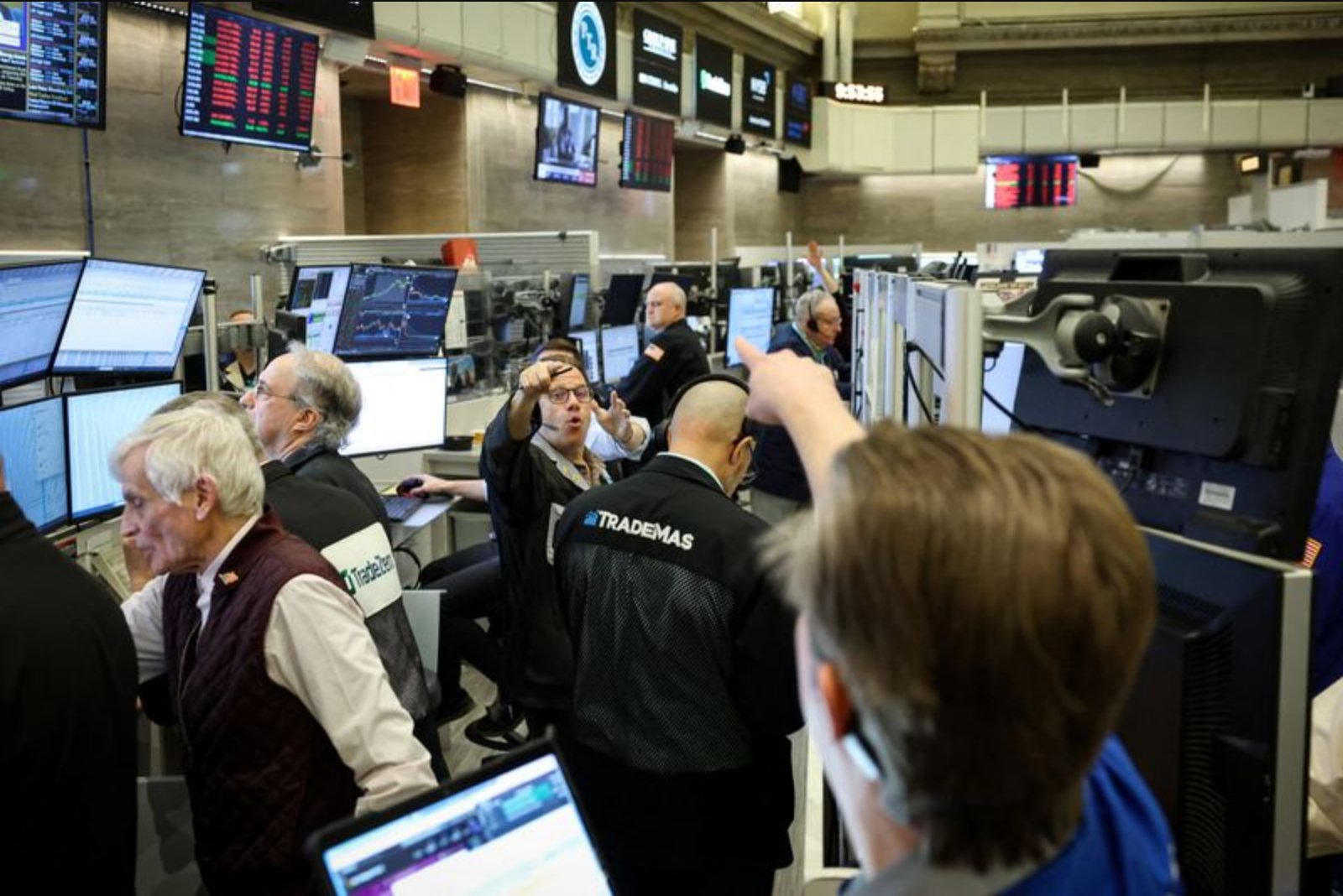
Markets around the world moved sharply lower on Tuesday as a deepening Middle East conflict combined with rising energy costs to spread turmoil across asset classes. The shock to energy supplies and transport sent oil and gas prices higher, while stocks, many commodities and emerging market currencies suffered significant declines. Investors and policymakers are now reassessing the outlook amid rising inflation risks and tighter liquidity conditions.
The damage was broad-based. Major U.S. indexes fell roughly 1% for the day, with the S&P 500, Nasdaq and Dow all weaker. International markets echoed the move: Japan equities dropped 3%, South Korea plunged 7%, and main European benchmarks lost between 2.5% and 3.5%. Brazil and Mexico each fell about 3%.
Every sector in the S&P 500 finished in negative territory, with materials down 2.7% and industrials off about 2%. Defense and aerospace stocks pulled back about 2% from Monday’s record high. Individual movers included Micron Technology and Newmont Corp, each down 8%, while select retailers such as Best Buy and Target rose about 7%.
Currency markets tilted decisively toward the dollar. The U.S. currency strengthened sharply, pushing USD/JPY toward the so-called intervention zone near 158.00. Emerging market currencies were hit hard: the Brazilian real plunged 2% in its worst day this year and Chile’s peso fell about 3%.
Bond markets showed modest repricing of policy expectations. U.S. yields rose by about 2 basis points and markets no longer fully price two quarter-point rate cuts for 2026 into the U.S. futures strip. In Europe, Spanish yields jumped 10 basis points following threats from U.S. political leaders to reduce trade with Spain.
Energy and commodity moves were marked and uneven. Oil climbed roughly 5%, taking Brent to its highest level since July 2024. U.S. diesel traded at its strongest since November 2023, and European LNG spiked by 22%. At the same time, safe-haven metals retreated: gold dropped 4% and other precious metals fell about 9%. U.S. copper declined roughly 2%.
Why the rout widened
Several dynamics combined to broaden the selloff. Fast-rising assets that had recently posted outsized gains were among the largest decliners as investors scrambled for liquidity. Notable examples were gold and silver, which had been strong late last year, and the KOSPI, which had surged about 50% in the first two months of this year. In the rush to raise cash, assets that had climbed the most on speculative flows had the most room to fall.
At the same time, the spike in energy costs is being construed by markets primarily as an inflation threat rather than a near-term growth shock. That judgement has altered the path for monetary policy expectations. Two quarter-point rate cuts by the Federal Reserve this year are no longer fully priced in by the market, and that shift complicates the policy outlook for the Fed chair nominee expected to take office in May. Observers note that with inflation remaining above target, the first move under new leadership could be more restrictive than anticipated.
Private credit strains add to liquidity concerns
Underlying stresses in private credit markets have not diminished amid the geopolitical shock. Redemptions from a major private credit flagship fund have gathered pace, and shares of the fund manager fell about 5% on the day. Rival managers also slid. The large firms have each lost roughly 30% so far this year and sit 45-50% below their record highs, illustrating how the scramble for cash has intensified selling pressure and widened the market repricing.
Near-term market drivers to watch
- Further developments in the Middle East, particularly any energy supply disruptions
- Australia GDP for the fourth quarter
- Japan services PMI for February
- China official manufacturing and services PMIs for February
- Japan consumer confidence for February
- Speeches by Bank of Japan Governor Kazuo Ueda
- UK services PMI for February
- Speeches by European Central Bank Vice President Luis de Guindos and board member Piero Cipollone
- Euro zone services PMI for February
- Speech by Bank of Canada Governor Tiff Macklem
- US PMI for February
- US services ISM for February
- US ADP private sector employment for February
These data points and central bank commentary could further sway markets already sensitive to the twin risks of tighter inflation and liquidity pressures.
If you wish to receive this daily market briefing by email, sign up for the Trading Day newsletter.