
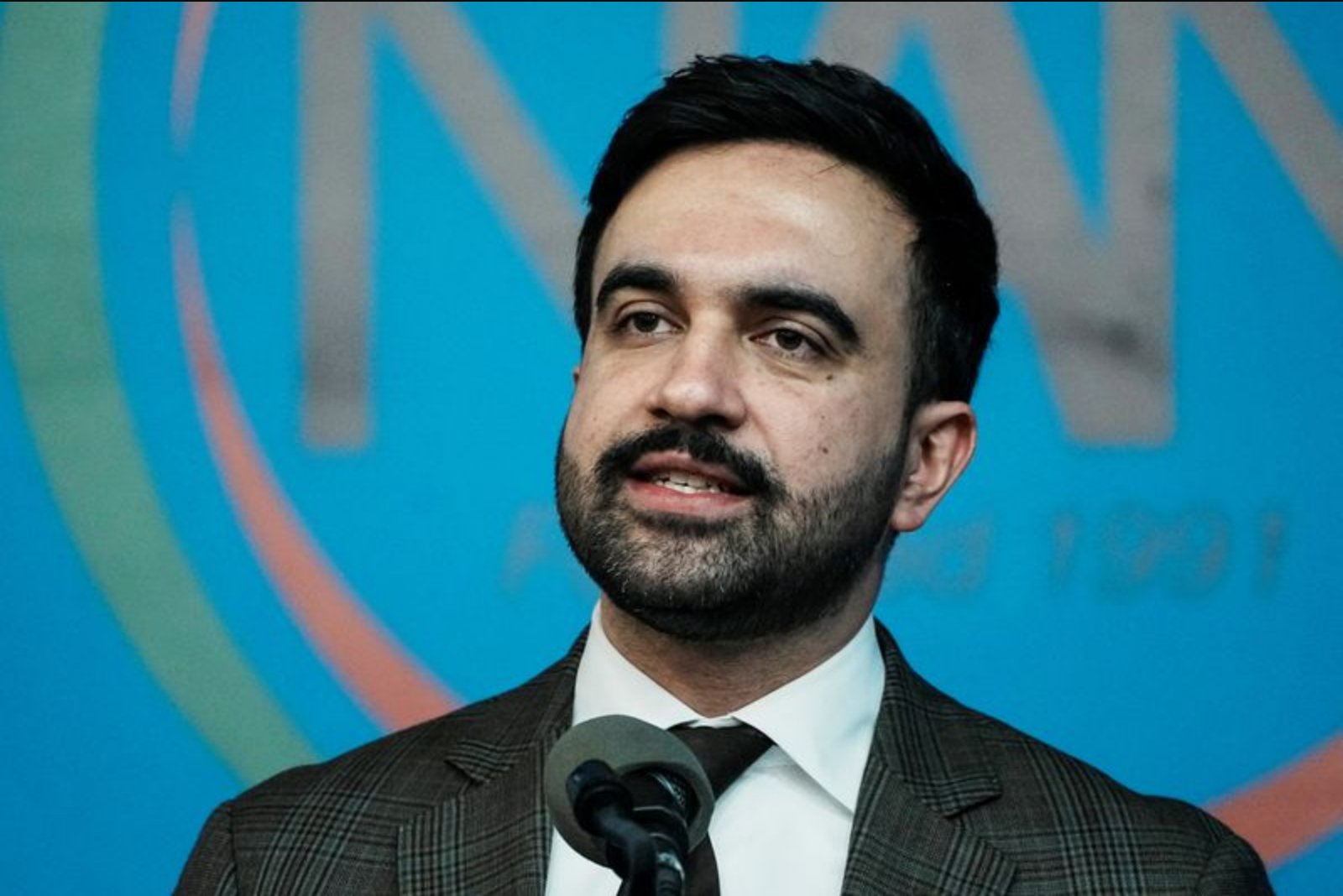
New York Mayor Zohran Mamdani and Governor Kathy Hochul stood together on Tuesday to reveal the first concrete step toward the mayor’s campaign pledge of universal free childcare. The immediate plan will create 2,000 free childcare slots for two-year-olds in the city starting later in the year, with a planned expansion next year to 12,000 places for an estimated 100,000 two-year-old New Yorkers.
The program, labelled 2K, is financed by New York State. Funding for the first year is set at $73 million, while the second year is budgeted at $425 million. These amounts are drawn from a wider $1.2 billion state commitment earmarked for free early childcare.
Asked whether the initiative would require the tax increases the mayor had proposed and the governor had opposed, both leaders indicated that the early rollout would not rely on new taxes. Governor Hochul told reporters, "We can do it with existing revenues. Take what I’m saying as your answer."
Mayor Mamdani did not provide details on financing beyond the initial two years during the announcement. He described the measure in investment terms, saying, "we’re making what Wall Street would call a good investment. Researchers estimate that every dollar spent on early childcare returns as much as $13."
The expansion of universal childcare was a central element of Mamdani’s campaign agenda, alongside promises to freeze rents and to restore free bus service. Mamdani began his first term in January.
However, financing constraints have complicated at least one of those other campaign commitments. Officials have flagged funding concerns as an obstacle to eliminating bus fares. When questioned about the prospect of free buses last month, the mayor said that "it continues to be a budget conversation" as city leaders seek replacement revenue for the Metropolitan Transportation Authority, the New York State-run network that oversees public transit.
Commitments on rent policy likewise remain on a separate track. The prices for rent-stabilized apartments that the mayor has pledged to freeze are under the remit of the Rent Guidelines Board, which sets adjustments for the city's roughly 1 million regulated units. Mamdani last month appointed a majority of the board’s members, including its chair.
The timetable for the board’s deliberations on future rent rates has not been set. The meeting to determine rent changes is expected later this year, but no date has been announced; by comparison, the panel convened in late June in the prior year.
Context and immediate scope
The 2K program represents a phased approach to a broader promise of universal free childcare, beginning with a targeted offering for two-year-olds. State funding covers the initial and second years at the specified levels, and the program is presented as part of a $1.2 billion state investment in early childcare. Beyond the second year, funding plans have not been detailed by city or state officials.
What officials said
Governor Hochul emphasized that the near-term rollout can be carried out with existing revenues, while Mayor Mamdani framed the investment in terms of long-term returns as measured by researchers cited at the event.