
Malaysia's gross domestic product expanded at the fastest rate in three years in 2025, registering a 5.2% increase for the full year as domestic spending, exports and corporate investment combined to outpace official forecasts, central bank and government figures showed.
The 5.2% gain edged past the 5.1% expansion seen in 2024 and exceeded the government's projected growth band of 4% to 4.8% for 2025, marking the highest annual expansion since the 9% pace recorded in 2022. Activity accelerated sharply at the end of the year, with GDP in the fourth quarter up 6.3% from a year earlier - the fastest quarterly growth in twelve quarters and above market expectations.
The third-quarter growth rate was also revised higher to 5.4% from an earlier 5.2% estimate, reflecting stronger-than-anticipated momentum in the latter half of the year. Economists polled by Reuters and advance government estimates had expected year-on-year growth of 5.7% for the October to December period; the official outcome of 6.3% therefore outstripped those projections.
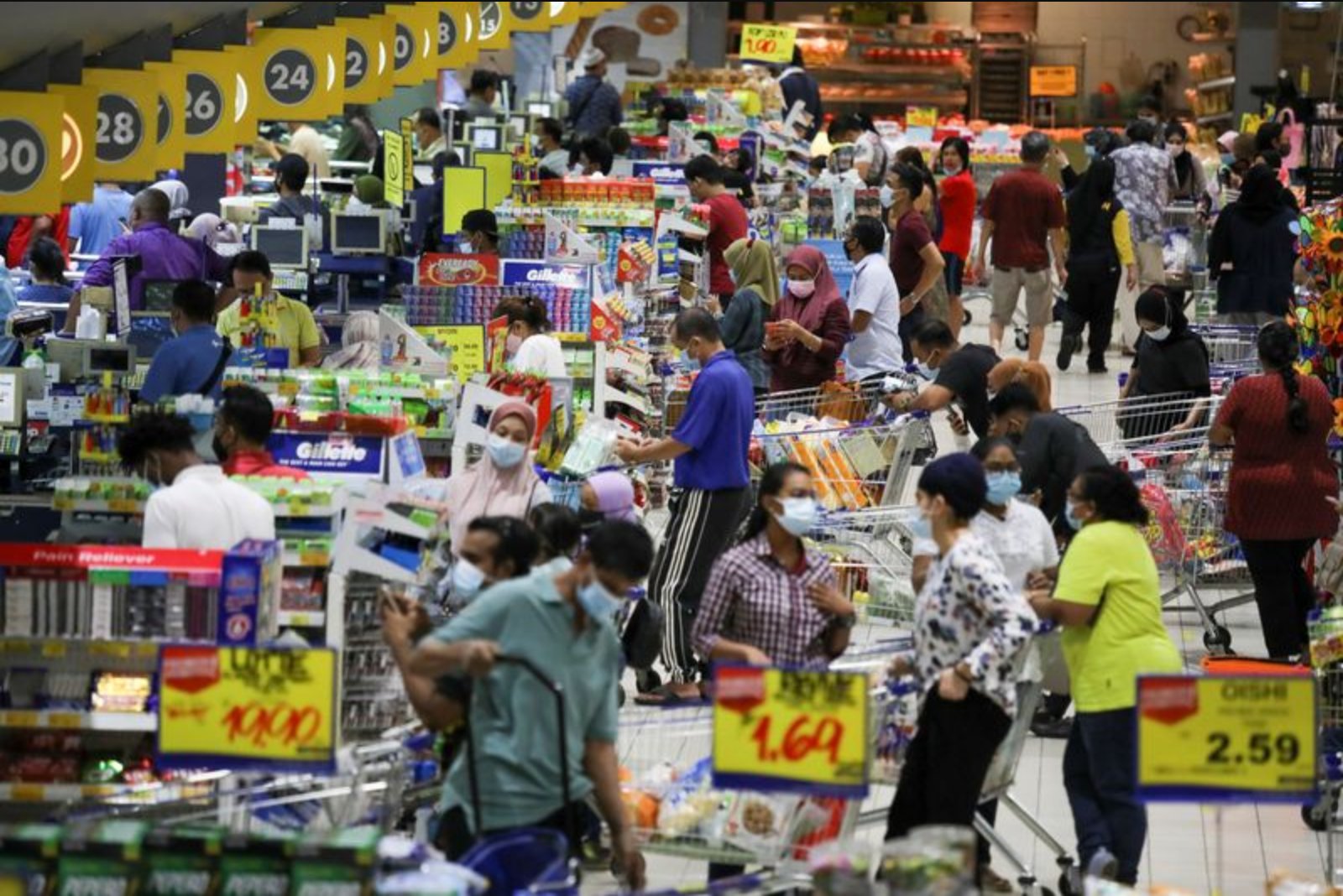
On a sequential basis, Malaysia's seasonally-adjusted GDP rose 0.8% in the October to December quarter compared with a 2.7% rise in the preceding quarter. The central bank attributed the broad-based gains to continued household consumption, robust export performance and elevated investment activity.
Outlook and policy
Bank Negara Malaysia said the combination of stronger employment, rising wages and government measures will underpin household spending this year, while investment and export sectors are expected to remain supportive of growth.
"This growth momentum is expected to continue in 2026, supported by resilient domestic demand and exports," Bank Negara Malaysia Governor Abdul Rasheed Ghaffour said in a statement.
The government and the central bank have set a consensus forecast for 2026 growth at between 4% and 4.5%. Officials noted ongoing uncertainties tied to the effect of U.S. tariffs - Malaysia faces a 19% levy on goods exported to the United States - which remain a factor in projecting external demand.
Monetary policy has been steady in the near term. The central bank left its benchmark interest rate unchanged at 2.75% in its first policy review of 2026, citing steady economic expansion, modest inflation and a constructive outlook for the year. The last reduction in the policy rate was taken in July 2025, a preemptive move following steep tariffs imposed by the U.S. administration. Since then, the tariff applied to Malaysia has been lowered to a level broadly comparable with other Asian economies, easing some trade-related uncertainty.
In market forecasts, a Reuters poll shows Malaysia's economy is expected to grow 4.5% in 2026, which sits at the upper bound of the government's stated range. The same market view anticipates that the central bank will keep its policy rate on hold over 2026, with several economists expecting the next policy shift would be an increase rather than a cut.
Inflation, currency and financial flows
Headline inflation averaged 1.4% in 2025 while core inflation averaged 2%, according to the central bank. Authorities expect inflation to remain moderate through 2026, a factor cited in the decision to keep interest rates steady.
The central bank noted that although the ringgit will continue to be affected by global developments, resilient domestic fundamentals and measures to attract market flows should help support the currency. Since the start of 2024 the ringgit has gained around 17%, making it the best-performing currency in the region over that period, and it is trading at its strongest point against the U.S. dollar in eight years.
Policy signals and official guidance
Malaysia's second finance minister indicated earlier in the month that the government may upgrade its growth projection for 2026 following several recent positive economic indicators. The central bank's commentary and the government forecast together point to a cautiously optimistic policy stance aimed at sustaining demand while monitoring external risks.
While uncertainties remain, authorities highlight a range of supportive domestic drivers - employment gains, wage increases and public measures - that they expect will help maintain the positive trajectory through the coming year.