
Nearly all of the largest developed market central banks held official interest rates steady this week, but their public statements made clear they remain ready to act if inflationary pressures intensify following the energy price shock tied to the U.S.-Israeli war on Iran.
Since the conflict began, market participants have scaled back expectations for monetary easing by the Federal Reserve this year and have shifted toward pricing in rate increases at other central banks, including the European Central Bank and the Bank of England. The Reserve Bank of Australia has continued its tightening cycle and raised rates again during the latest policy round.
Where the major central banks stand
The following section ranks 10 developed market central banks from the highest policy rate to the lowest and summarizes each authority's recent decision and market expectations. All figures and assessments reflect the most recent public announcements and market pricing.
-
1. Australia - The Reserve Bank of Australia increased its cash rate for a second consecutive month to 4.1% and explicitly warned of a "material" risk to inflation from the war. Core inflation reached a 16-month high of 3.4% in January and continues to rise. Market prices imply at least two, and probably three, additional hikes this year, which would push the policy rate above its late-2023 peak.
-
2. Norway - The Norges Bank is due to meet next week. Faced with sticky inflation, it was one of the more cautious central banks and cut rates just twice last year from a late-2023 high of 4.5%. Traders currently view the next move as more likely to be a hike, with one fully priced in by August.
-
3. Britain - The Bank of England left its policy rate at 3.75% at its most recent meeting. Market participants interpreted the post-meeting statement as hawkish: a 25 basis point increase by April is now seen as a toss-up, and at least two, possibly three, further 25 basis point moves are priced in by year-end. The BoE said it is alert to the risk that higher inflation expectations could become embedded in the economy, and while it acknowledged risks to growth, it judged higher inflation the larger threat.
-
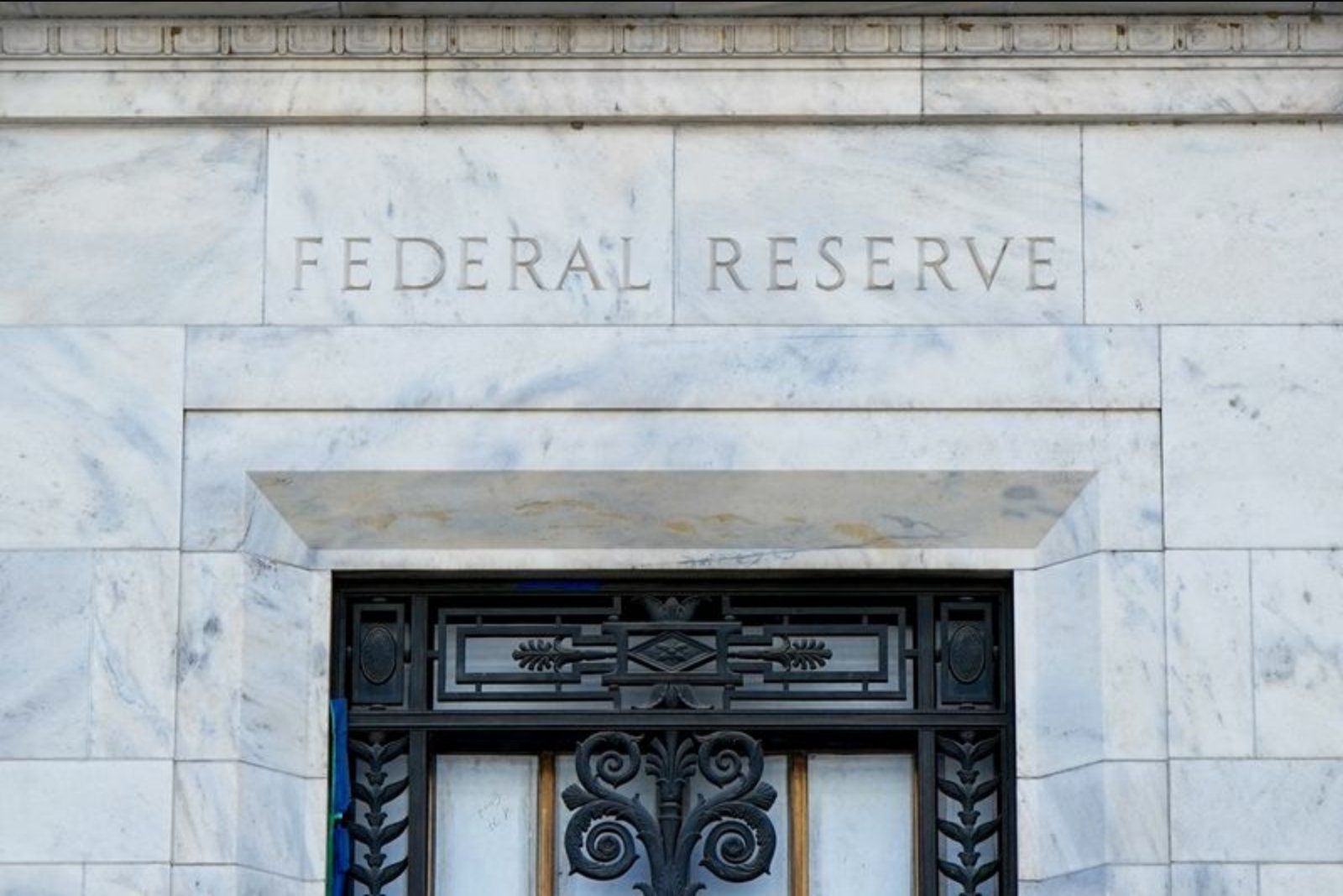
4. United States - The Federal Reserve held its target range at 3.50% to 3.75%, but Chair Jerome Powell's hawkish tone led traders to push back expectations for rate cuts into 2027. The Fed's most recent cut occurred in December. Before the war, markets had priced in two 25 basis point cuts this year; following developments they now assign almost no probability to that outcome. The Fed maintained its prior projection for a single cut in 2026 but raised its forecast for inflation this year. Powell highlighted several challenges to reducing inflation, naming persistent tariff-driven price increases alongside Iran war-related energy price hikes, and said the Fed may not be able to "look through" the latter as a transitory shock.
-
5. New Zealand - The Reserve Bank of New Zealand is scheduled to meet in early April. It reduced rates more aggressively than many peers in 2024 and 2025, bringing its policy rate to 2.25%. Despite that recent easing, markets now expect the next move to be a hike, with two increases priced in by the end of the year.
-
6. Canada - The Bank of Canada held its policy rate at 2.25% as widely anticipated. Governor Tiff Macklem warned that the BoC is prepared to raise borrowing costs if higher energy prices risk becoming persistent inflation. The central bank's key rate has been unchanged since October. Market pricing implies at least one 25 basis point hike by year-end, but traders generally do not expect that until the third quarter.
-
7. Euro zone - The European Central Bank left interest rates unchanged as expected, while warning it is watching growth and inflation risks from surging energy prices. Market participants now forecast more than two 25 basis point increases in the ECB's 2% deposit rate this year, reflecting an assumption that policymakers who were accused of acting too late in the earlier inflation episode will be quicker to respond this time.
-
8. Sweden - Sveriges Riksbank kept its policy rate at 1.75% and, like its peers, said that uncertainty remains high. Market pricing also signals one cut this year.
-
9. Japan - The Bank of Japan is no longer the sole central bank in a tightening stance, though it continues to proceed cautiously. It held rates unchanged at 0.75%, a 30-year high. Governor Kazuo Ueda said the BOJ board is somewhat more focused on upside risks to inflation than downside risks to growth stemming from the conflict, comments that have kept market expectations for a near-term rate increase alive and contributed to appreciation of the Japanese yen.
-
10. Switzerland - The Swiss National Bank left its policy rate at 0%, the lowest among major central banks, and signalled it stands ready to intervene to curb a recent surge in the safe-haven Swiss franc. The currency is trading around an 11-year high against the euro. Swiss inflation was just 0.1% in March, and franc appreciation raises the risk that inflation could fall below the SNB's target range of 0% to 2%.
Market reactions and implications
Across markets, traders have adjusted the timing and direction of expected policy moves since the onset of the conflict. The adjustment has reduced the likelihood of near-term easing at the Federal Reserve and increased the odds of additional tightening at several other central banks. Currency markets have already reflected some of these shifting expectations, notably in the appreciation of the yen and the Swiss franc. Energy markets play a central role in the evolving picture: policymakers repeatedly cited the prospect that higher energy costs could spark broader inflation, prompting them to keep policy options open.
Conclusion
Policymakers in the developed world largely paused on rates this week but conveyed a shared readiness to respond if the energy shock linked to the U.S.-Israeli war on Iran amplifies inflationary pressures. Market pricing has moved sharply since the conflict began, diminishing near-term easing bets for the Fed while increasing the probability of hikes elsewhere. Australia stands out as already tightening. Uncertainty remains high across central banks as they weigh the trade-off between supporting growth and preventing a renewed rise in inflation.