
Economy March 18, 2026

Lower House Confirms Takaichi's Dovish Picks to BOJ Board, Potentially Shaping Rate Path

Two academics aligned with reflationist policies were approved by the lower chamber; final appointments await upper house consent

By Ajmal Hussain
Lower House Confirms Takaichi's Dovish Picks to BOJ Board, Potentially Shaping Rate Path

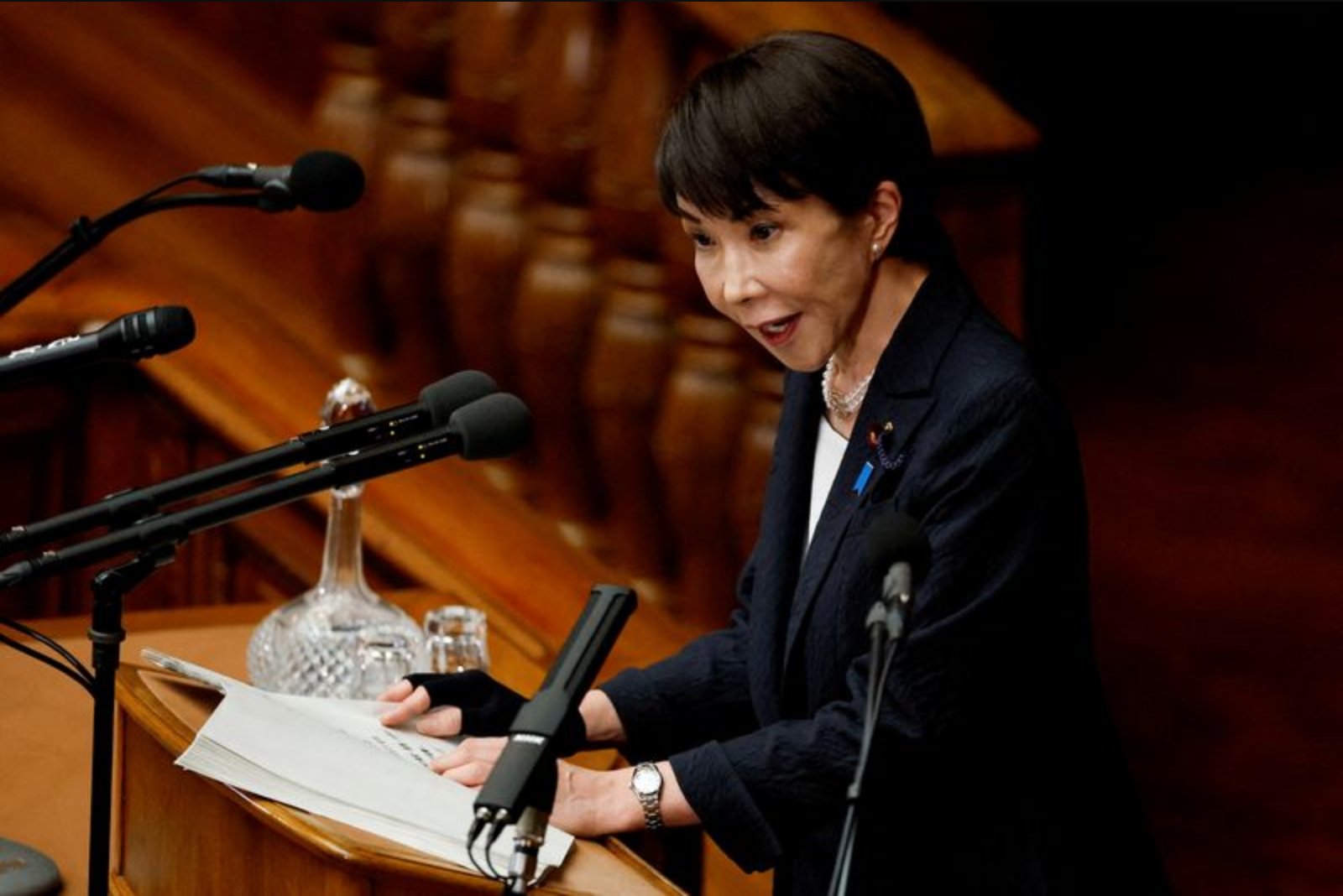
Japan's lower house approved Prime Minister Sanae Takaichi's nominations of Toichiro Asada and Ayano Sato to the Bank of Japan's nine-member board, moves that could alter the central bank's deliberations over the timing and pace of future interest-rate increases. The nominations, viewed by markets as dovish, still require upper house approval. The changes come as the BOJ has exited its long-running stimulus programme and raised rates, with the central bank's outlook and political appointments both poised to affect policy decisions going forward.

Key Points

  • The lower house approved Toichiro Asada and Ayano Sato to join the BOJ's nine-member board; upper house approval is still required.
  • Both nominees are viewed by markets as reflationists who support expansionary fiscal and monetary measures, which could influence the BOJ's deliberations on the timing and pace of future rate hikes.
  • Sectors sensitive to interest-rate moves - including bond markets and banking and financial sectors - could be affected as the board's composition shifts and informs policy decisions.

Japan's lower house of parliament on Thursday approved Prime Minister Sanae Takaichi's nominations of two economists known for supporting expansionary economic policies to join the Bank of Japan's policy board. The approved candidates, Toichiro Asada and Ayano Sato, are regarded in markets as proponents of reflationary measures and were put forward to fill two upcoming vacancies on the nine-member board.

Both appointments remain subject to confirmation by the upper house before they take effect. If finalised, Asada would take the seat of economist Asahi Noguchi, whose tenure concludes on March 31. Sato is slated to replace Junko Nakagawa, with Nakagawa's term expiring at the end of June.

Asada and Sato are part of a cohort of reflationists who have publicly backed more aggressive fiscal and monetary stimulus, positions that align with policy priorities signalled by Prime Minister Takaichi. The two nominees also have connections to former Bank of Japan officials with dovish reputations, including ex-deputy governor Masazumi Wakatabe.

The addition of these two academics to the board could affect internal discussions at the BOJ about how quickly and when to raise interest rates further, by altering the balance among the nine board members. The board's composition has in recent months increasingly supported steady rate increases, and the new appointees are seen as likely to influence the pace and timing of future tightening.

Analysts note that Takaichi's visible role in selecting board members underscores her active approach to monetary policy appointments and increases the likelihood that additional reflationist voices could be added to the BOJ when two currently more hawkish board members reach the ends of their terms next year. Should Takaichi remain in power long enough, she would also have the authority to appoint successors to Governor Kazuo Ueda and his two deputies when their five-year terms expire in 2028.

The nominations come after the BOJ moved away from its decade-long, large-scale stimulus framework in 2024 and implemented a series of rate increases, including a December decision that set the short-term policy rate at 0.75 percent - a 30-year high. Inflation has remained above the BOJ's 2 percent target for nearly four years, and Governor Ueda has indicated the central bank stands ready to continue raising rates if its economic projections materialise.


Contextual note: The parliamentary approval by the lower house is a key procedural step, but final confirmation by the upper house is required before the nominees can join the BOJ board.

Risks

  • The nominations are not final until the upper house confirms them, creating short-term uncertainty around the board's ultimate composition and policy direction - this poses risks for financial markets.
  • Political dynamics could lead to further changes in the BOJ's board makeup when two more hawkish members' terms end next year, introducing uncertainty for interest-rate expectations and markets dependent on rate trajectories.
  • The BOJ's future decision to continue raising rates hinges on its economic projections materialising; if projections change, the bank's policy path could diverge from expectations, affecting rate-sensitive sectors.

More from Economy

Elections Across the Globe Could Increase Market Volatility as Voters React to War, Tariffs and Economic Strain Mar 19, 2026 Middle East Conflict Clouds Fed Rate Path as Oil and Markets React Mar 19, 2026 China Likely to Hold Lending Rates as Middle East Conflict Clouds Inflation Outlook Mar 19, 2026 Trump Says U.S. Could 'Blow Up' South Pars If Iran Strikes Qatar's LNG Again Mar 19, 2026 BOJ Keeps Rates on Hold, Flags Middle East Oil Risks to Inflation Mar 18, 2026