
Economy February 26, 2026

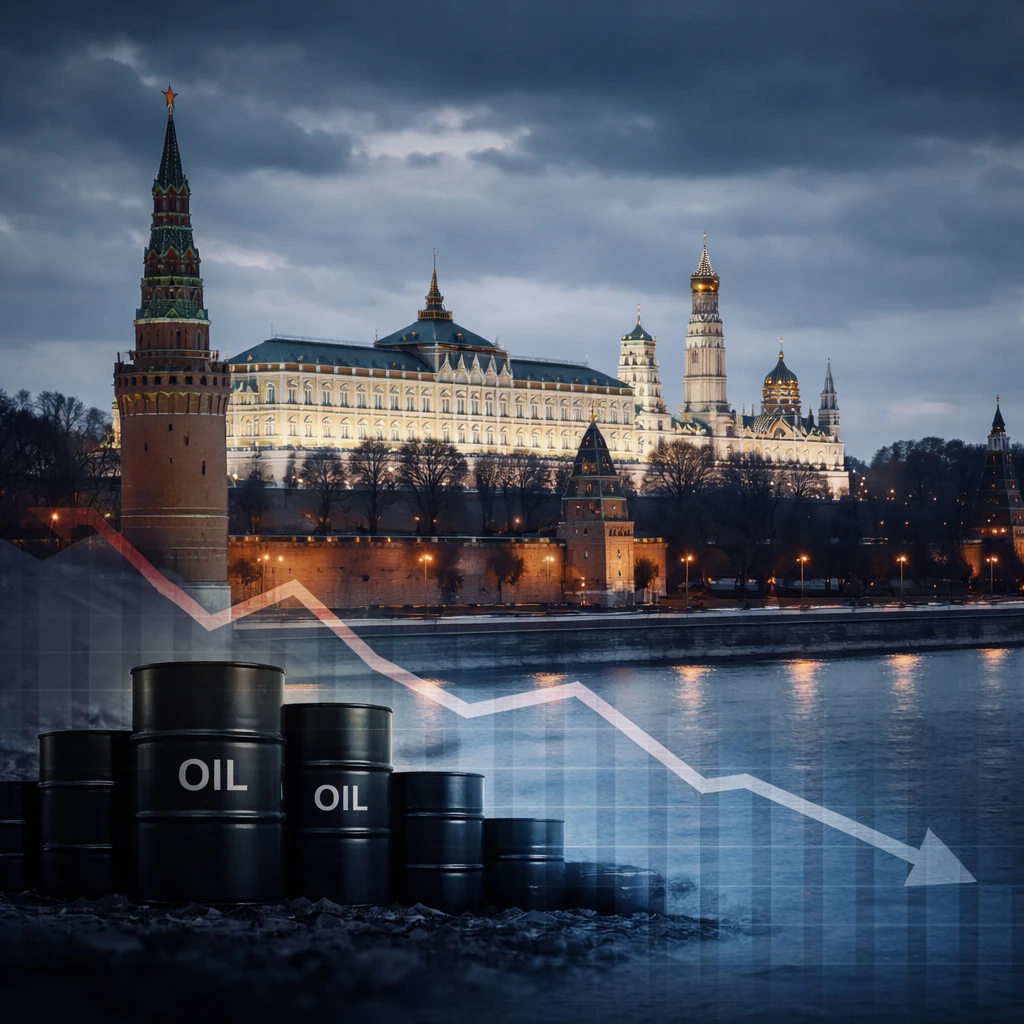
Kremlin Frames Drop in Energy Revenues and Bigger Deficit as Routine Headwinds

Officials say macroeconomic stability will absorb shocks as oil receipts fall and budgetary adjustments are planned

By Sofia Navarro
Kremlin Frames Drop in Energy Revenues and Bigger Deficit as Routine Headwinds

The Kremlin characterized a marked fall in oil and gas receipts and a widening budget deficit as manageable, routine challenges that can be handled within the broader framework of macroeconomic stability. Kremlin spokesman Dmitry Peskov and Finance Minister Anton Siluanov outlined measures including stronger reserve-fund allocations and near-term budget revisions following a lengthy budget meeting chaired by the president.

Key Points

  • Kremlin calls decline in oil and gas revenues and a widening budget deficit routine and manageable within macroeconomic stability - impacts fiscal policy and government financing.
  • President Putin held a late-night, multihour budget meeting this week, underscoring close monitoring of economic developments - implications for public-sector decision-making and budget timing.
  • Finance Minister Anton Siluanov said more oil revenue will be redirected into the reserve fund and signaled budget changes within two weeks - relevant for fiscal balances and reserve management.

The Kremlin on Thursday described a significant decline in energy sales revenues and a growing budget shortfall as routine economic issues that can be managed through overall macroeconomic stability.

Spokesman Dmitry Peskov commented after a meeting President Vladimir Putin held with senior government officials this week to review the budget. Prime Minister Mikhail Mishustin said the session took place late Tuesday night and lasted several hours, and Peskov said the gathering demonstrated Putin’s close monitoring of economic developments.

Peskov acknowledged that oil and gas revenues have fallen, and he noted this reduction is partially offset by increases in non-oil and gas receipts. He told reporters that the stability of the Russian economy is absolutely ensured.

Following the budget meeting, Finance Minister Anton Siluanov said Russia plans to divert a larger share of oil revenues into its reserve fund and signaled that changes to this year’s budget would be announced within two weeks.

The drop in revenues from oil sales - the country’s primary export commodity - has been driven by Moscow being obliged to sell at larger discounts on global markets amid Western sanctions and U.S. pressure on major buyers. A stronger rouble has also reduced foreign-currency receipts from those sales.


While Kremlin officials presented the developments as manageable, they outlined a two-pronged fiscal response: increasing reserve-fund inflows from oil revenues and updating the current budget in the near term. The public comments emphasized continuity in macroeconomic policy and sought to convey control over fiscal dynamics despite the revenue shortfall.

Details on the specific size of the budget revisions or the exact reallocation amounts to the reserve fund were not provided in the statements referenced by officials.

Risks

  • Falling oil and gas receipts reduce government export revenue - risk to public finances and sectors dependent on state spending.
  • Requirement to sell oil at greater discounts, driven by Western sanctions and U.S. pressure on buyers, continues to compress export income - risk to the energy sector's revenue stream.
  • A stronger rouble has lowered foreign-currency earnings from oil sales, which can further erode budgetary inflows - risk affecting currency-sensitive fiscal calculations.

More from Economy

Majority of Europeans See New Defense and Infrastructure Spending as a Personal Financial Risk, ING Survey Finds Feb 26, 2026 Gilt rally persists despite Westminster turbulence as yields slide Feb 26, 2026 Goldman Sachs Prime Brokerage Predicts Continued Rebound in U.S. Software Stocks Despite Heavy Shorting Feb 26, 2026 Britain’s NEET population nears 1 million as youth labour market strains persist Feb 26, 2026 Godongwana Says Growth, Not Just Fiscal Targets, Is Key to Luring Investment to South Africa Feb 26, 2026