
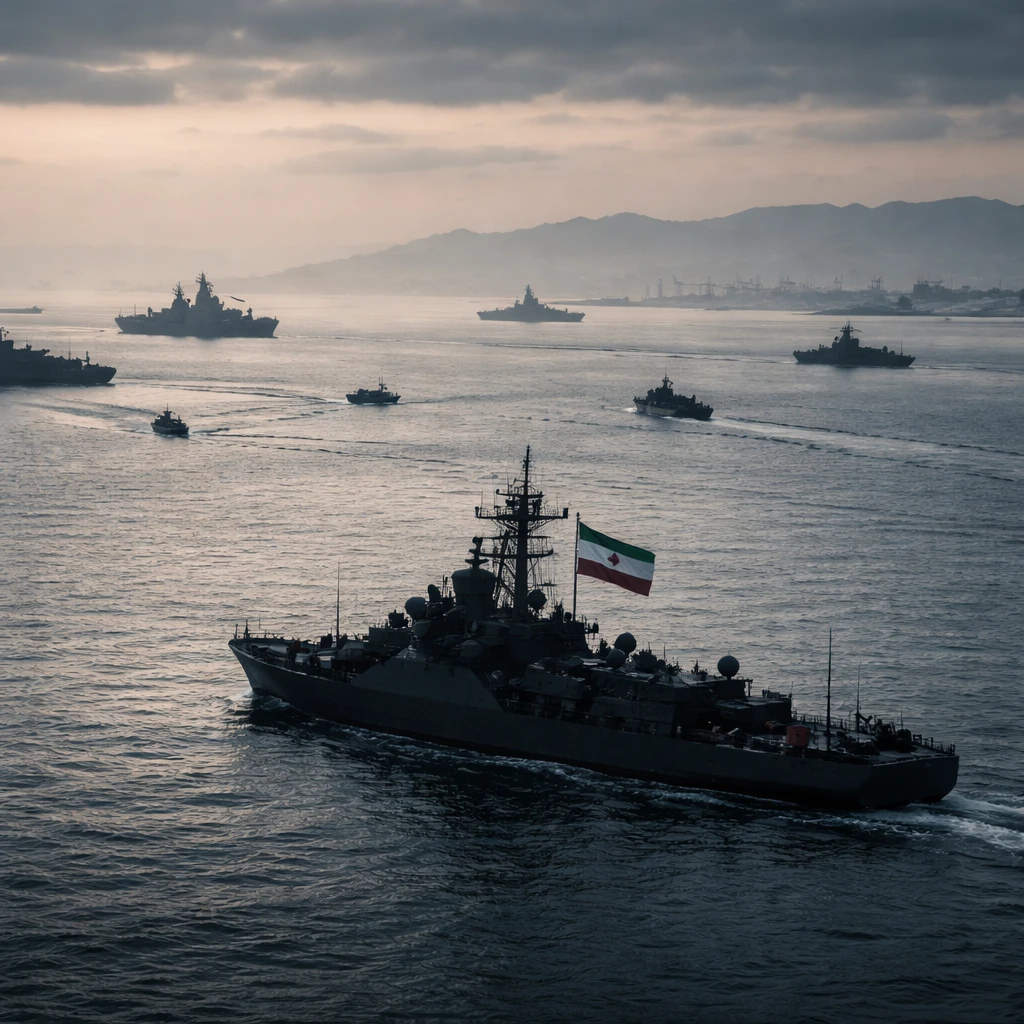
Ayatollah Mojtaba Khamenei, Iran’s newly installed Supreme Leader, said the Strait of Hormuz should remain closed, delivering his first public remarks since taking power following his father’s assassination. The comments were carried by Iranian state television on Thursday and conveyed a clear intention by the new leader to maintain a blockade of the strategically important waterway.
In the televised address, Khamenei expressed gratitude to Iran’s military and urged citizens to turn out in record numbers at rallies across the country. He said Iran would persist in seeking retribution for an attack on a school, a point he framed as part of ongoing efforts to hold adversaries to account.
Khamenei stated, "We believe in friendship with our neighbors," and further emphasized that Iran targets bases, adding that it will continue to do so. He also said Iran would seek compensation from its enemies and called on regional governments to close U.S. military bases in the area.
The Supreme Leader warned that if the war continues other fronts could be opened, indicating a possibility of broader regional escalation should current hostilities persist.
Former President Donald Trump commented on the situation on Truth Social on Thursday. He wrote that the United States is the largest oil producer in the world and benefits when oil prices rise, while stressing that his overriding priority is preventing Iran from obtaining nuclear weapons and from destabilizing the Middle East and the wider world. "I won’t ever let that happen," he wrote.
The remarks from Khamenei and the response from Trump together underscore the overlapping security and energy dimensions of the current tensions. The decision by Iran’s leader to publicly endorse keeping the Strait of Hormuz closed, and to press regional governments to act against U.S. bases, suggests an approach that combines domestic mobilization with external pressure. Khamenei’s explicit statement about targeting bases and pursuing compensation reiterates the leadership’s stated objectives, while the warning about opening additional fronts outlines the uncertainty facing the region if conflict endures.
Clear summary
In his first public remarks since assuming leadership following his father’s assassination, Ayatollah Mojtaba Khamenei said the Strait of Hormuz should stay closed, voiced support for continued strikes on bases, called for large domestic rallies, sought compensation from enemies, urged regional countries to close U.S. bases, and warned of additional fronts if the war persists. Former President Donald Trump responded on Truth Social reiterating U.S. priorities of preventing Iran from gaining nuclear weapons and avoiding regional destabilization.