
Overview
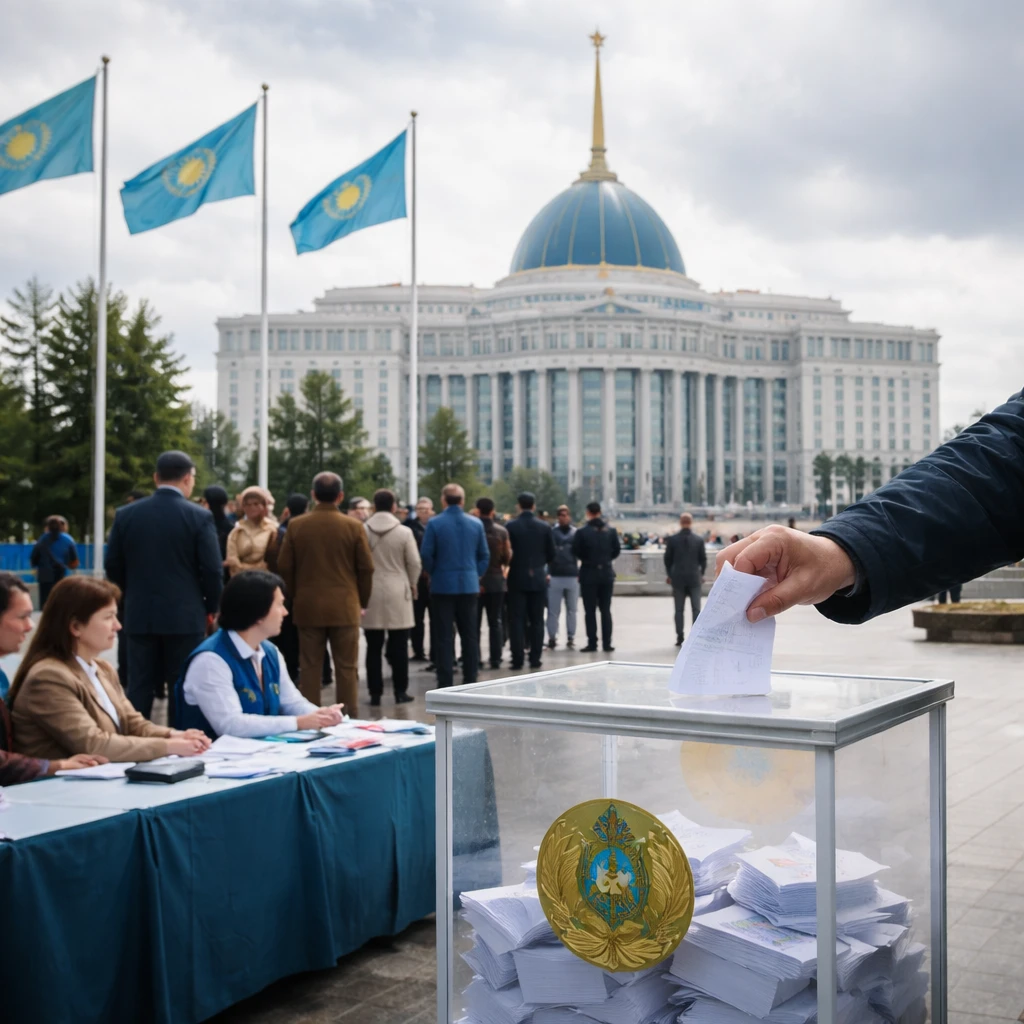
Voters in Kazakhstan are going to the polls this Sunday to decide on a constitutional referendum that would remake the country’s political framework. At the center of the package of amendments are two principal changes: the abolition of the current two-chamber parliament in favor of a single legislative body, and the re-establishment of a vice president post who would be the automatic successor should the president leave office early.
Leadership and succession
The proposed changes arrive as President Kassym-Jomart Tokayev, 72 years old, navigates a succession timetable ahead of his stated departure in 2029. Tokayev has publicly denied any plans to run for another term. Still, analysts have highlighted that the structural revisions could create a formalized route for leadership transition, describing the package as providing a clearer mechanism for an orderly handover.
Kate Mallinson, partner at PRISM Strategic Intelligence, commented that "Tokayev could use the referendum as justification for a new seven-year term, or he could step down early and assume the position of vice president." The draft amendments would also remove the legislature’s authority to amend the constitution, assigning that power solely to national referendums, a change that the president says will guard the constitution from manipulation by "certain political groups."
Economic context
The political overhaul comes against a backdrop of economic sensitivity. Authorities previously froze fuel and utility prices to preserve social stability after the violent unrest of 2022. Government plans call for a gradual resumption of those price increases in the second quarter, a move that has elevated concerns about persistent inflation in a country that continues to be an important global supplier of crude oil and uranium.
Despite the political changes, institutional commentary has shown measured optimism. S&P Global Ratings affirmed Kazakhstan’s BBB- sovereign rating and attached a positive outlook, noting that the country’s "social fabric" has largely healed since 2022.
Investor focus and timeline
Market participants are concentrating on the immediate aftermath of the vote, with attention on Monday’s preliminary referendum results. The outcome will also prompt the dissolution of the present parliament, which is required to cease operations by July 1 to allow for new elections under the proposed timetable. Investors and analysts will be watching how the political realignment interacts with planned fiscal adjustments and the broader macroeconomic picture.
What remains uncertain
The referendum is a pivotal step in determining both the institutional architecture and the succession mechanism for Kazakhstan’s top office. How the changes will play out in practice will depend on the referendum result and the legal and political steps that follow, including the formal dissolution of parliament and the timing of new elections.