
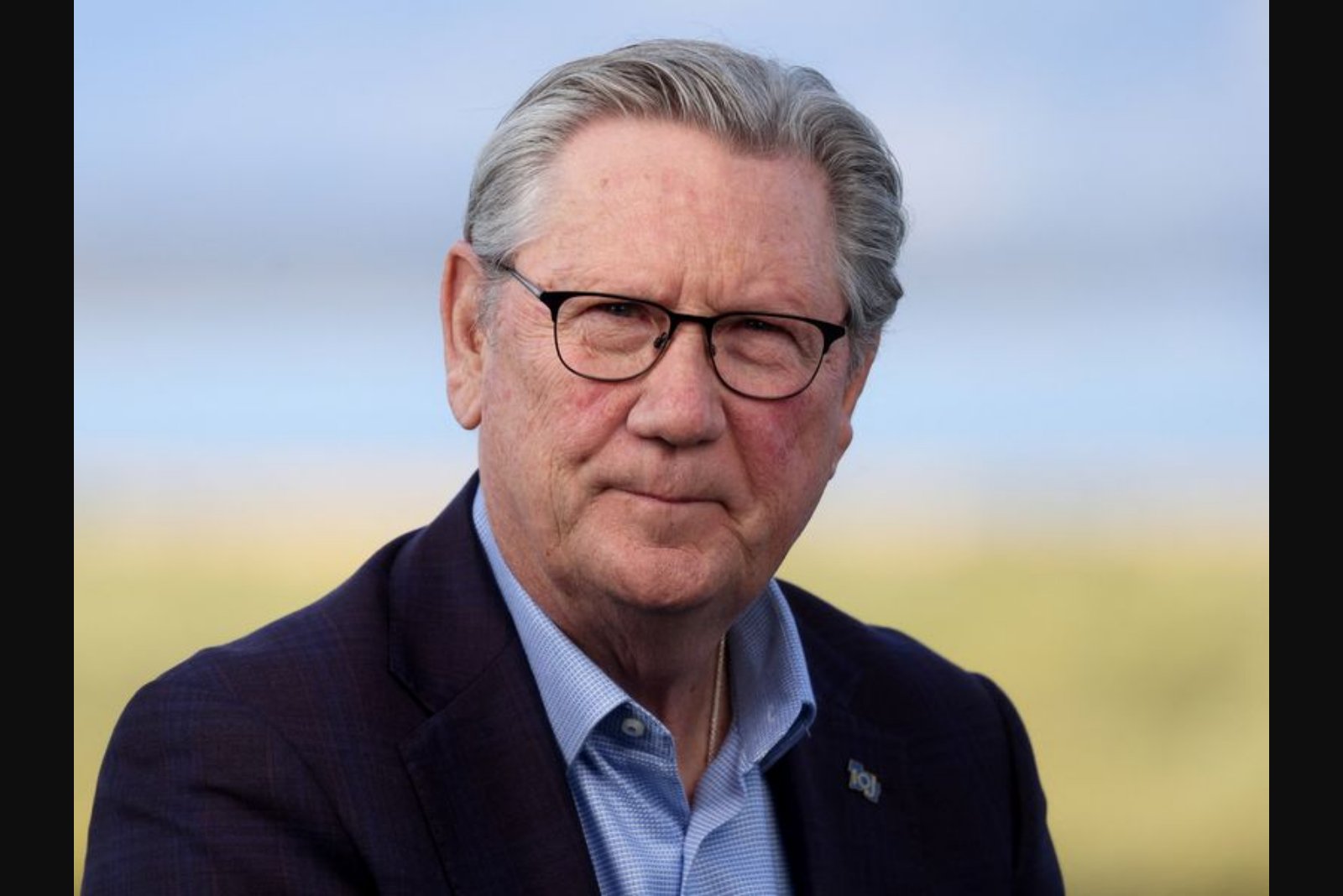
Federal Reserve Bank of Kansas City President Jeffrey Schmid said he is unwilling to treat the recent surge in energy prices as merely temporary, arguing that already-elevated inflation makes such an assumption harder to justify.
Speaking in remarks prepared for delivery at a conference in Iceland, Schmid said, "My primary concern is inflation, which is too hot and has been above target for too long." He added, "I place little stock in assuming that the most recent runup in prices is transitory within an acceptable time horizon," and, "as such, my focus remains on inflation in setting the correct course for policy."
Schmid underscored the persistence of inflation as the basis for his stance, urging caution: "Now is not the time to let down our guard," he said, noting how long inflation has run above the central bank's 2 percent objective. He did not, however, link those concerns to a specific forecast for monetary policy developments.
Where policy stands
The central bank is widely expected to hold its target range for the federal funds rate steady at between 3.5 percent and 3.75 percent at the next Federal Open Market Committee meeting, scheduled for next month. Market pricing has shifted in recent weeks from anticipating rate cuts later in the year toward the possibility of a rate increase.
Schmid's remarks come amid a broader debate within the Fed about the path of policy. Some officials have said that additional tightening remains a possibility if inflation proves persistent. Others have pointed out that the removal of rate-cut bets in markets, together with tighter financial conditions, may already be providing sufficient restraint to allow policymakers to evaluate incoming data before taking any further action.
Many Fed officials expect inflation pressures to ease later this year, but that outlook is rooted in hopes of a swift resolution of the Iran war started by President Donald Trump.
Energy sector and consumer impact
Schmid noted that the United States is less vulnerable to energy shocks than in previous decades, but that higher gasoline prices nonetheless reduce consumers' spending capacity. He also observed that U.S. energy companies have not responded to higher prices by rapidly increasing production.
"My discussions with firms in my region suggest a high degree of caution," Schmid said. He added, "Over the past decade, my contacts have moved toward far greater capital discipline and are reluctant to increase production while prices remain so uncertain."
Broad economic picture
While emphasizing risks from inflation and energy-price uncertainty, Schmid also offered a measured assessment of domestic economic momentum. He said that "most economic indicators suggest continued steady growth," and voiced a view that "I believe the labor market is in balance, notwithstanding the potential, though yet unrealized, disruptions of AI."
Schmid's comments frame a cautious approach to monetary policy, rooted in the persistence of inflation and uncertainties on the energy supply and demand side. They underscore the central banker’s priority to keep inflation squarely in view as officials decide whether to adjust policy settings in the months ahead.