
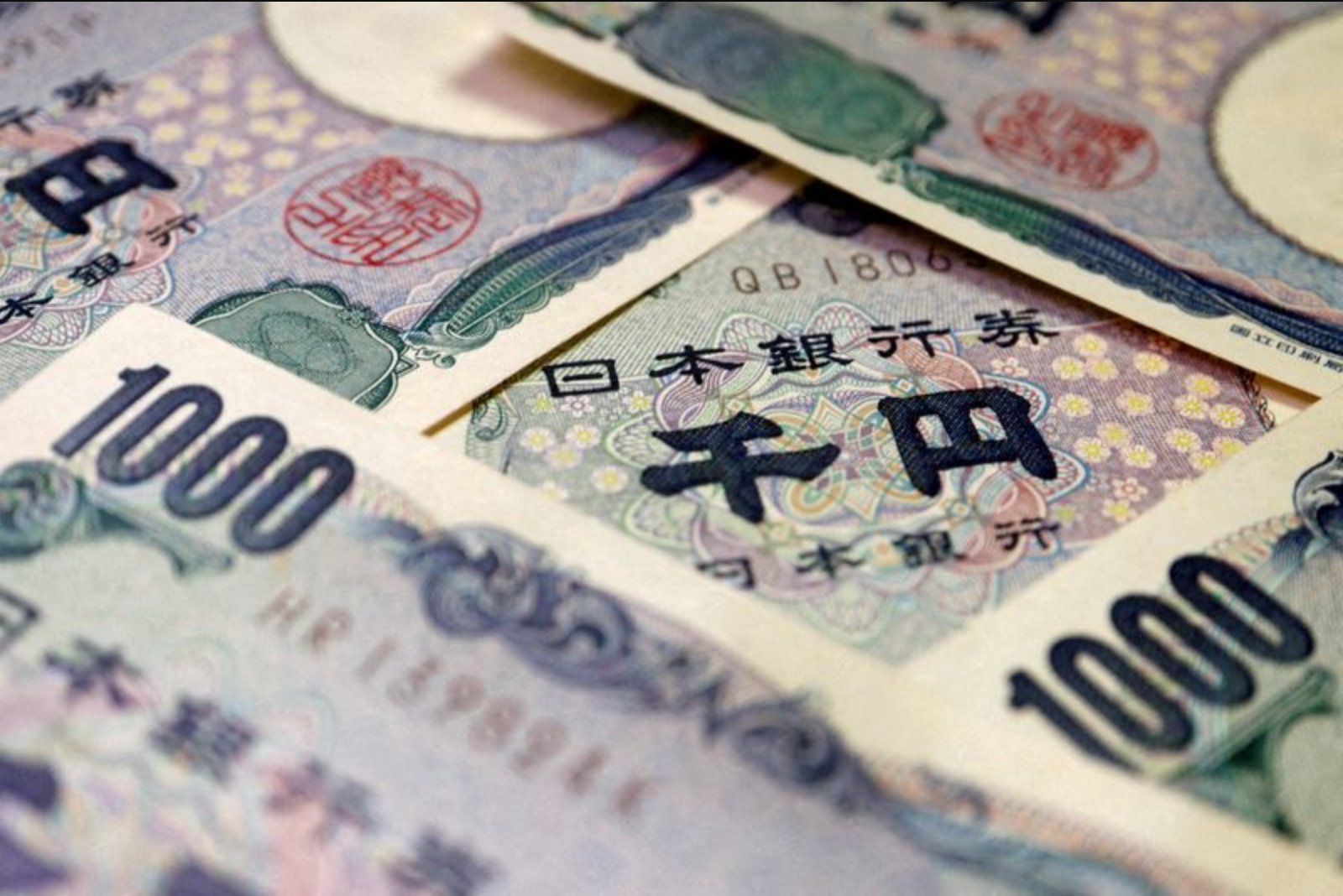
Japan's capacity to intervene in currency markets looks more constrained today than in past episodes, even while renewed tensions in the Middle East are pushing the yen back toward the psychologically important 160-per-dollar mark that was once widely seen as a trigger for official action. Some market participants warn the yen could slide as low as 165 to the dollar if officials remain reluctant to prop up the currency, a move that would lift import bills and add to inflationary pressures precisely as crude oil prices are being driven higher by conflict in the region.
Officials in Tokyo are increasingly private about their views, reflecting a judgment that any attempt to support the yen now could be overwhelmed by dollar demand tied to safe-haven flows and concerns over surging oil costs. "We need to see how the war turns out and how long shipping routes through the Strait of Hormuz remains disrupted," one official said. "This is about dollar buying, not yen selling." The comment underlines the different dynamics than in prior episodes when authorities judged speculative positioning in futures and options markets to be the main culprit.
Different mechanics from past interventions
Intervention tends to be most potent when it can unwind very large speculative positions, the sort of pressure Tokyo confronted when it bought yen heavily in 2022 and again in 2024. Presently, however, there are fewer signs of a similar speculative build-up. Data from the U.S. Commodity Futures Trading Commission showed net short positions in the yen at 16,575 contracts in early March, a tiny fraction of the roughly 180,000 contracts recorded in July 2024, the month that preceded a major bout of yen-buying intervention.
Against that backdrop, authorities have been careful in their public language. While warnings have sharpened as the yen neared the 160 level, officials have avoided the usual explicit charge of speculative yen selling that traditionally underpins emergency intervention. Asked directly about the prospect of stepping into markets, Finance Minister Satsuki Katayama did not give a straight yes-or-no; she said the government stands ready to act at any time and is "mindful of the impact currency moves may have on people's livelihoods." The phrasing signals readiness to respond while stopping short of the conventional framing that typically accompanies intervention announcements.
Market strategists note the limits of intervention in the current environment. "If Japan were to intervene now, it wouldn't be very effective as safe-haven dollar buying could easily continue, unless the Middle East situation settles down," said Shota Ryu, FX strategist at Mitsubishi UFJ Morgan Stanley Securities. He warned that intervention might even be counterproductive, by prompting speculators to resume yen selling when the currency later rebounds.
G7 rules and a shift to international coordination on oil
Japan frames currency intervention within the G7 consensus that authorities may act to counter excess volatility stemming from speculative flows that drive exchange rates away from underlying economic fundamentals. If recent yen depreciation reflects shifting fundamentals - namely, higher oil costs tied to conflict - Tokyo cannot necessarily expect multilateral backing for unilateral intervention targeted at speculative excess.
That dynamic has pushed Japan toward international efforts to calm oil markets, which it sees as a root cause of broader instability. Finance Minister Katayama told parliament this week that Tokyo had "strongly urged" fellow G7 members to convene to discuss measures to address surging oil prices, referring to talks that produced agreement on the potential release of emergency oil stockpiles. Japan also acted unilaterally by being among the first major economies to release part of its strategic reserves, helping to create momentum for an International Energy Agency-led response.
Focus returns to monetary policy if market stress persists
Should global coordination or verbal pressure fail to arrest yen weakness, analysts say policymakers may have little alternative but to address the underlying rate gap between Japan and the United States. A narrower divergence in interest rates is widely seen as one of the most direct ways to relieve sustained downward pressure on the currency.
From a market-strategy perspective, some see room for the Bank of Japan to shift policy sooner if the currency's slide feeds through into domestic prices. "Personally, from a fundamental standpoint, a rate hike in July still looks like the most natural timing," said Akira Moroga, chief market strategist at Aozora Bank. He added that, if yen depreciation intensifies and threatens to raise prices, bringing a move forward to April would not be surprising - even if the BOJ does not frame the step explicitly as a response to currency weakness.
For now, the combination of safe-haven dollar buying, elevated crude oil prices linked to the Iran war, and smaller speculative positions in yen futures has altered the calculus for Tokyo. Policymakers appear focused on international cooperation over oil, cautious public messaging, and the prospect that any lasting solution may rest with changes in monetary policy rather than swift, unilateral foreign-exchange intervention.