
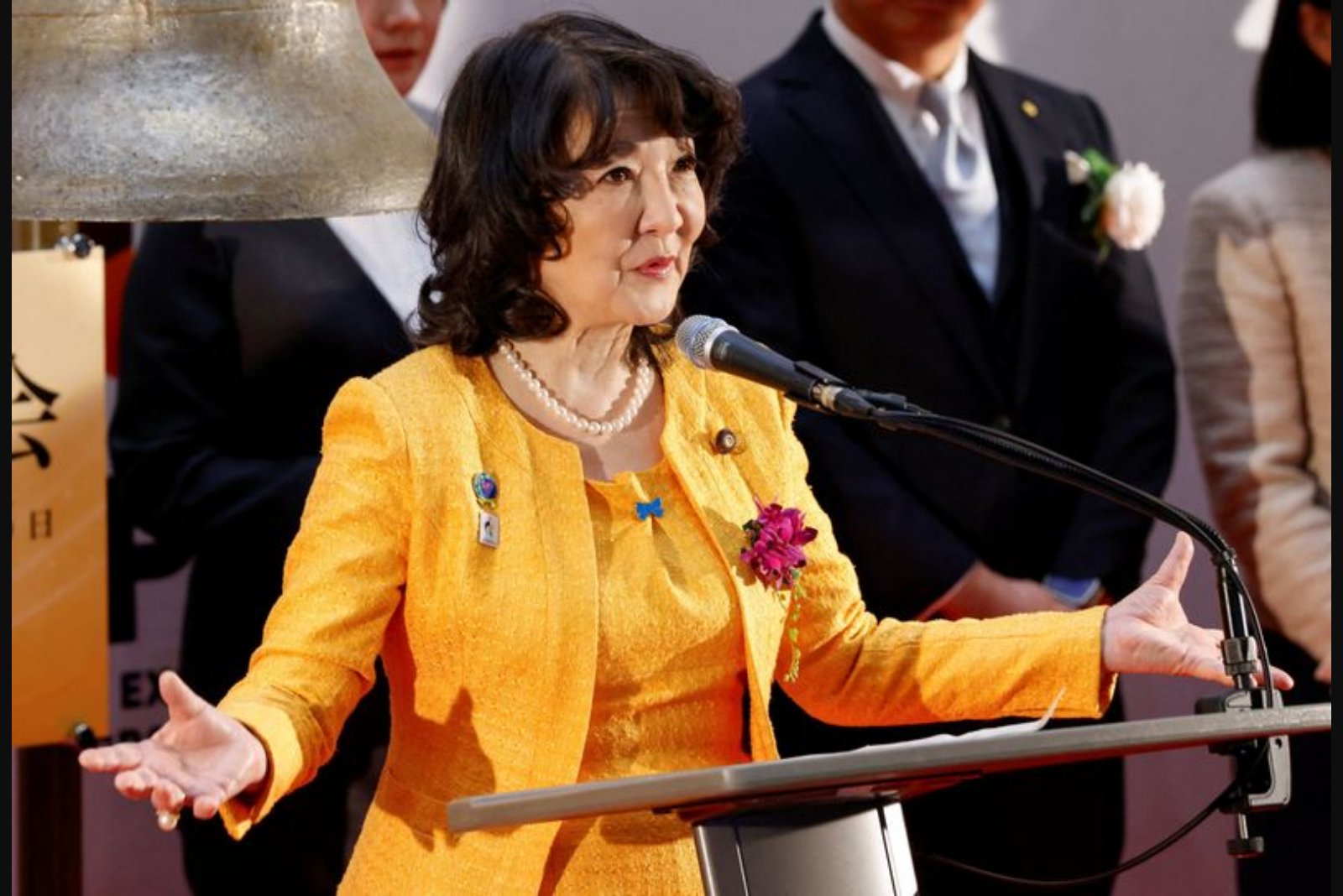
On Sunday, Finance Minister Satsuki Katayama cautioned that any decision to draw on Japan's substantial foreign exchange reserves to fund government spending or tax cuts would have to be handled in a highly professional manner because such a move would not be straightforward.
Katayama said tapping the reserves could be considered in light of recent yen movements, but she emphasized that doing so carries complications because those reserves are currently used to conduct currency intervention. She made the remarks while speaking on a television programme.
She underlined that the prime minister appreciates the complexity of the issue. "The prime minister understands this point well. We would need to look at markets and decide what the most effective asset management is for Japan, so that we are taking a professional approach that does not cause any problems," Katayama said.
Katayama added that, if required, officials would seek dialogue with market participants as soon as Monday, saying: "If necessary, we would like to seek dialogue with markets on Monday in various forms."
The minister's comments framed the potential use of foreign exchange reserves as an option that cannot be executed casually because of the reserves' current policy function. She linked the consideration explicitly to recent moves in the yen and described a process that would involve market assessment and an asset-management approach intended to avoid causing disruption.
Her statements also conveyed a readiness to consult with market actors promptly if circumstances call for it, indicating a preference for coordinated engagement rather than unilateral action. The emphasis on a "professional approach" and on assessing market conditions suggests a measured posture toward any use of the reserves.
Summary
Japan's finance minister said using foreign exchange reserves to support spending or tax cuts is a possible option given recent yen moves, but stressed the need for careful asset management because the reserves are employed for currency intervention and tapping them could cause problems. She noted the prime minister understands these issues and signalled willingness to engage markets promptly if necessary.