
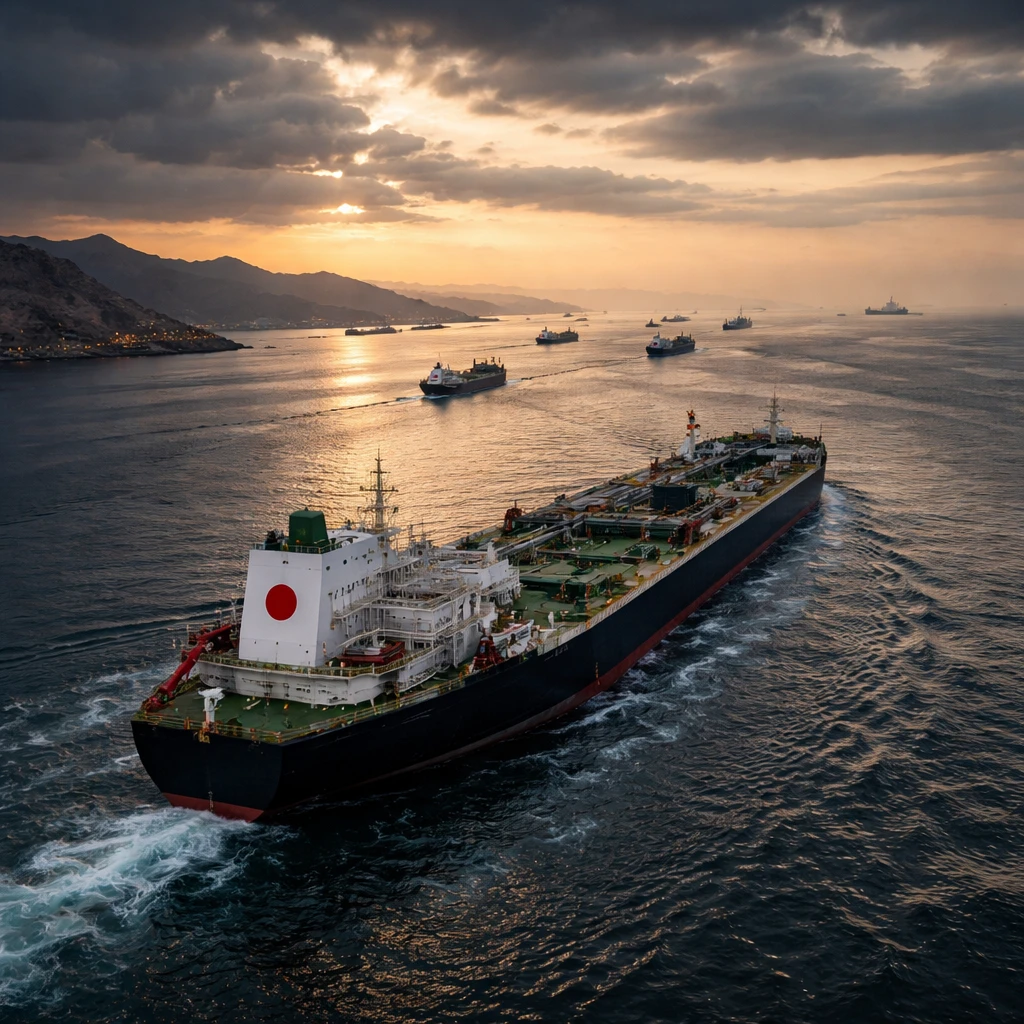
Iranian Foreign Minister Abbas Araghchi has signaled that Tehran is prepared to permit Japanese-affiliated vessels to pass through the Strait of Hormuz after senior-level discussions between the two governments, according to comments made to Kyodo News on Friday.
Officials described the indication as the product of recent high-level consultations and framed it as a rare diplomatic "release valve" for a global oil market that continues to be affected by regional conflict. For Japan, which relies heavily on crude from the Middle East, the prospect of restored passage is particularly significant. The possibility of safer transit comes only days after the government withdrew oil from its strategic petroleum reserves to help stabilize domestic fuel prices.
The timing of Tehran's outreach intersects with heightened diplomatic pressure on Tokyo. Japanese Prime Minister Sanae Takaichi is managing expectations from the United States - notably from President Donald Trump - who has urged Japan to take a leading role in securing the region's critical maritime chokepoint. In a face-to-face summit in Washington earlier this week, Takaichi reportedly tried to reconcile allied demands with constitutional limitations on Japan's use of force overseas.
In those talks, she outlined the constitutional "red lines" that restrict Japan’s direct military engagement in the Gulf, while also taking steps to address U.S. concerns. Reportedly, she pledged to increase imports of U.S. shale and to deepen cooperation on joint missile defense initiatives as part of an effort to satisfy allied calls for a greater Japanese contribution to regional security.
Market participants have greeted Araghchi's remarks with cautious optimism. The Iranian signal is being interpreted as a tentative easing of the "shipping risk" that has contributed to record-high tanker insurance premiums. At the same time, Araghchi’s comments do not resolve broader diplomatic and security disputes - the so-called "Hormuz mandate" continues to be a core point of contention within the U.S.-Japan alliance.
As the Trump administration advocates a multinational framework to supplant the prior American "shale-buffered" presence in the Gulf, Tokyo’s ability to translate diplomatic progress into concrete operational arrangements will be an important factor in determining near-term volatility in global energy markets.