
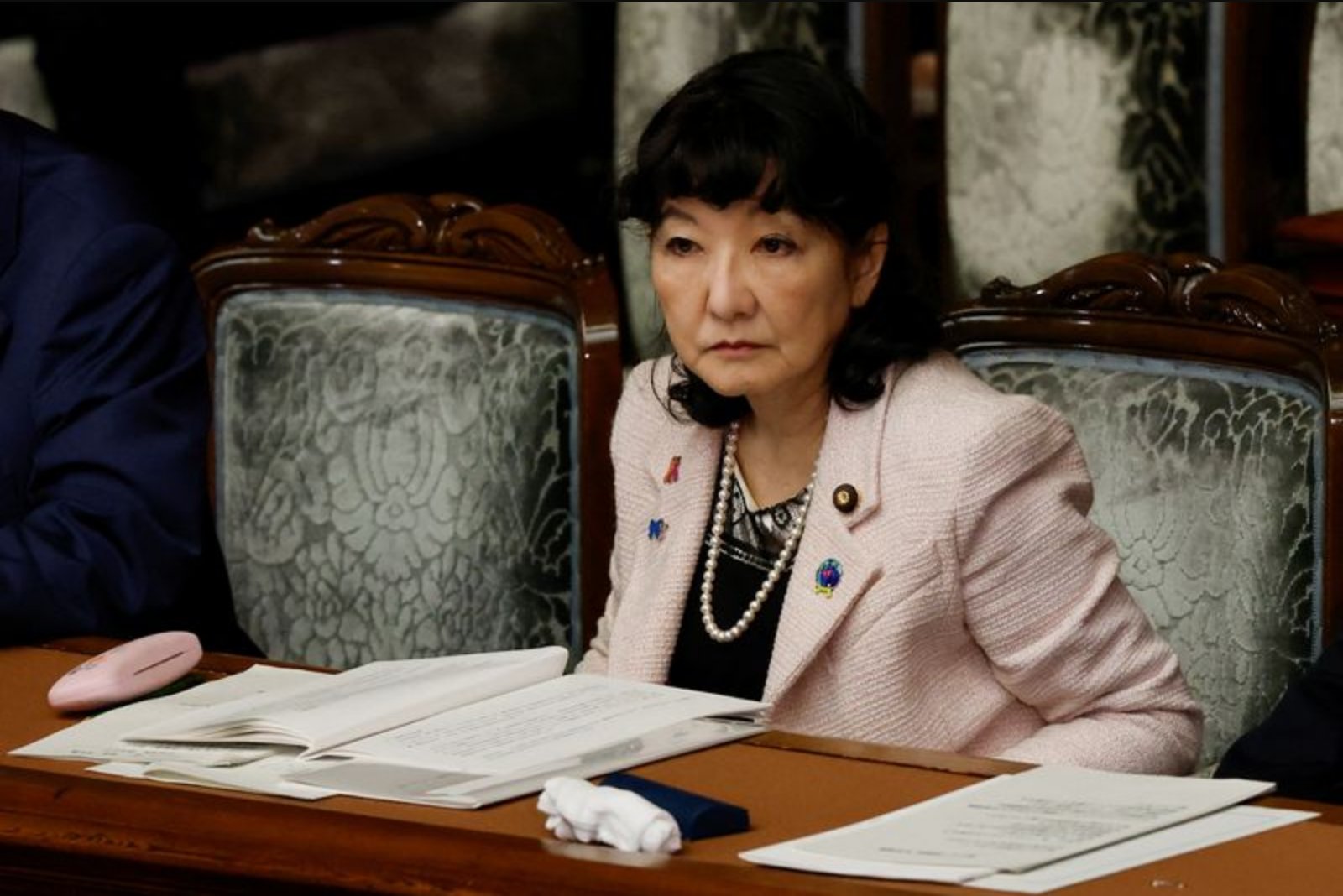
TOKYO, March 3 - Japanese authorities are maintaining heightened surveillance of financial markets as volatility tied to the Middle East conflict affects currencies and investor flows, Finance Minister Satsuki Katayama said on Tuesday. Katayama told reporters that officials are in close contact with overseas financial counterparts and are monitoring developments "with an extremely strong sense of urgency."
Katayama stressed Japan is keeping a "very high level of vigilance" over market moves and reiterated that Tokyo and Washington reached a shared understanding last year. She said that cooperation with other countries remains central to the government's response and that measures under consideration could include currency intervention. "That naturally includes the possibility of (currency) intervention. We have said this before, but we will respond with an even greater sense of urgency," she said.
Market action has reflected heightened risk aversion. The yen weakened further versus the dollar overnight and was trading around 157.3 early Tuesday, with pressure coming from concerns that rising oil prices could hurt currencies of nations that are more exposed to energy shortages. The dollar also received support from safe-haven flows amid worries the conflict could broaden.
On the topic of safe-haven-driven moves, Katayama emphasized the importance of sustained dialogue with international counterparts. "Whether or not such developments occur, given the current situation, it ultimately comes down to maintaining close communication with my counterparts in other countries... carefully assessing the situation, and taking the necessary measures," she said.
Tokyo's comments underscore a posture of preparedness rather than the announcement of a specific intervention. Authorities are signalling readiness to act if market conditions warrant it, while coordinating with partners abroad to evaluate conditions and determine appropriate steps. The finance minister's remarks place particular focus on currency market dynamics and the transmission of energy-price shocks to exchange rates.
Summary
Japan is closely watching global markets and coordinating with international financial officials amid volatility linked to the Middle East conflict. Officials have signalled that currency intervention remains a possible tool and stressed continued communication with counterparts abroad as the yen traded near 157.3 to the dollar.