
Economy March 14, 2026

Japan and South Korea Signal Readiness to Curb Sharp FX Moves

Finance ministers warn of possible action as yen and won weaken amid elevated oil prices and safe-haven dollar demand

By Avery Klein
Japan and South Korea Signal Readiness to Curb Sharp FX Moves

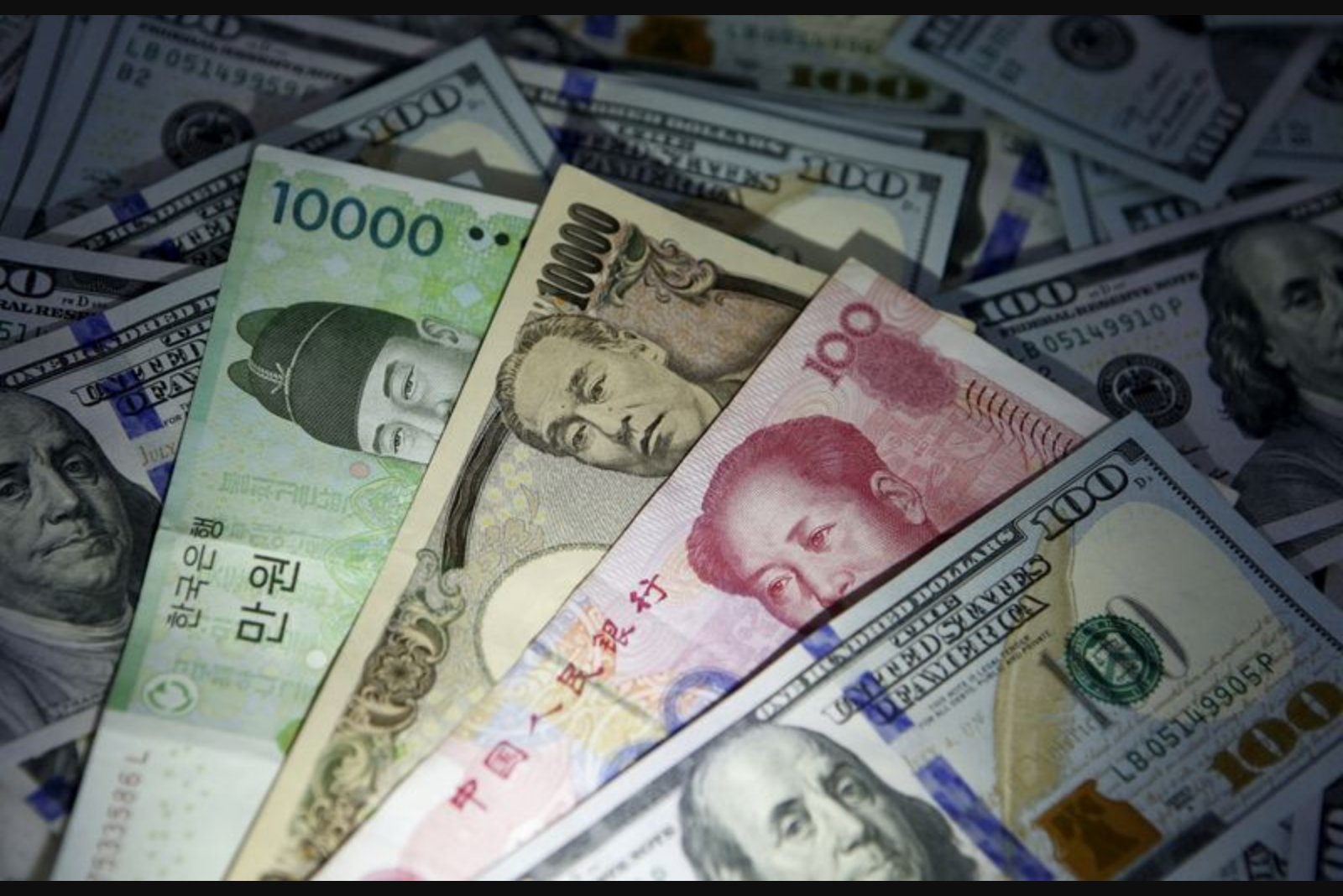
Japan and South Korea voiced serious concern over rapid declines in their currencies after annual talks in Tokyo, saying they will closely monitor foreign-exchange markets and are prepared to act to counter excessive volatility. The yen and won have weakened as safe-haven dollar demand linked to the U.S.-Israeli war on Iran and rising oil costs pressure currencies of oil-dependent economies.

Key Points

  • Japan and South Korea expressed "serious concern" over sharp depreciations of the yen and won after annual talks in Tokyo.
  • Both governments pledged to closely monitor FX markets and to take appropriate actions against excessive volatility and disorderly exchange rate movements.
  • Yen hit a 20-month low and is close to 160.00 per dollar; the won breached 1,500 per dollar this month for the first time since March 2009; tensions tied to the U.S.-Israeli war on Iran and rising oil prices are driving dollar safe-haven demand.

TOKYO/SEOUL - Japan and South Korea on Saturday conveyed strong concern about recent steep falls in their currencies and signalled they stand ready to address excessive volatility in foreign-exchange markets.

Following their annual meeting in Tokyo, Finance Minister Satsuki Katayama of Japan and her South Korean counterpart Koo Yun-cheol said they "expressed serious concern over the recent sharp depreciation of the Korean won and the Japanese yen," in a joint statement.

The ministers pointed to a run-up in the dollar driven by safe-haven demand amid tensions from the U.S.-Israeli war on Iran, noting that such flows have hit currencies of countries that rely heavily on imported oil.

In the statement they said they would "closely monitor foreign exchange markets and continue to take appropriate actions against excessive volatility and disorderly movements in exchange rates."

Market moves in recent days underline their concern. The yen on Friday touched its lowest level in 20 months and is approaching the 160.00 per dollar threshold that many market participants view as a potential trigger for Japanese intervention to support the currency. Meanwhile, the South Korean won has fallen past the psychological barrier of 1,500 per dollar this month for the first time since March 2009.

Speaking at a press conference after the Tokyo meeting, Katayama said the two governments shared the view that financial markets, including foreign exchange, had experienced notable volatility. She added that "the Japanese government is fully prepared to respond at any time, bearing in mind the impact that currency moves may have on people’s livelihoods amid surging oil prices, and I believe both sides share that understanding."

Katayama has frequently reiterated Japan's readiness to act on yen movements. The joint statement and her remarks underscore an intent to remain vigilant, even as some policymakers, speaking privately, caution that intervention to prop up the yen could prove ineffective if dollar demand continues to grow while the conflict persists.


The ministers did not outline specific intervention steps in their public remarks. Their statement focused on monitoring and a willingness to take appropriate measures should volatility become excessive or movements disorderly.

Risks

  • If the U.S.-Israeli war on Iran persists, dollar demand may intensify further, potentially deepening pressure on currencies of oil-importing countries - this affects exporters, importers and energy-dependent sectors.
  • Intervention to support the yen could be challenged by sustained dollar flows, raising the risk that official action might have limited effectiveness - this impacts currency markets and policy credibility.
  • Continued sharp FX volatility could worsen conditions in financial markets and complicate economic planning for businesses reliant on stable exchange rates, including manufacturers and trade-exposed sectors.

More from Economy

AI’s Uneven Impact on Business Services: Waste Management Set to Gain, Staffing Faces Structural Pressure Mar 14, 2026 India Secures Passage for Two LPG Tankers Through Closed Strait of Hormuz Mar 14, 2026 Geopolitical Volatility Weighs on S&P 500 as Goldman Flags Oil-Driven Threat to 2026 EPS Mar 14, 2026 Bernstein: AI is reshaping coding roles but human oversight remains essential Mar 14, 2026 Lai Says Taiwan's Economic Strength Can Support $40 Billion Defence Plan Mar 14, 2026