
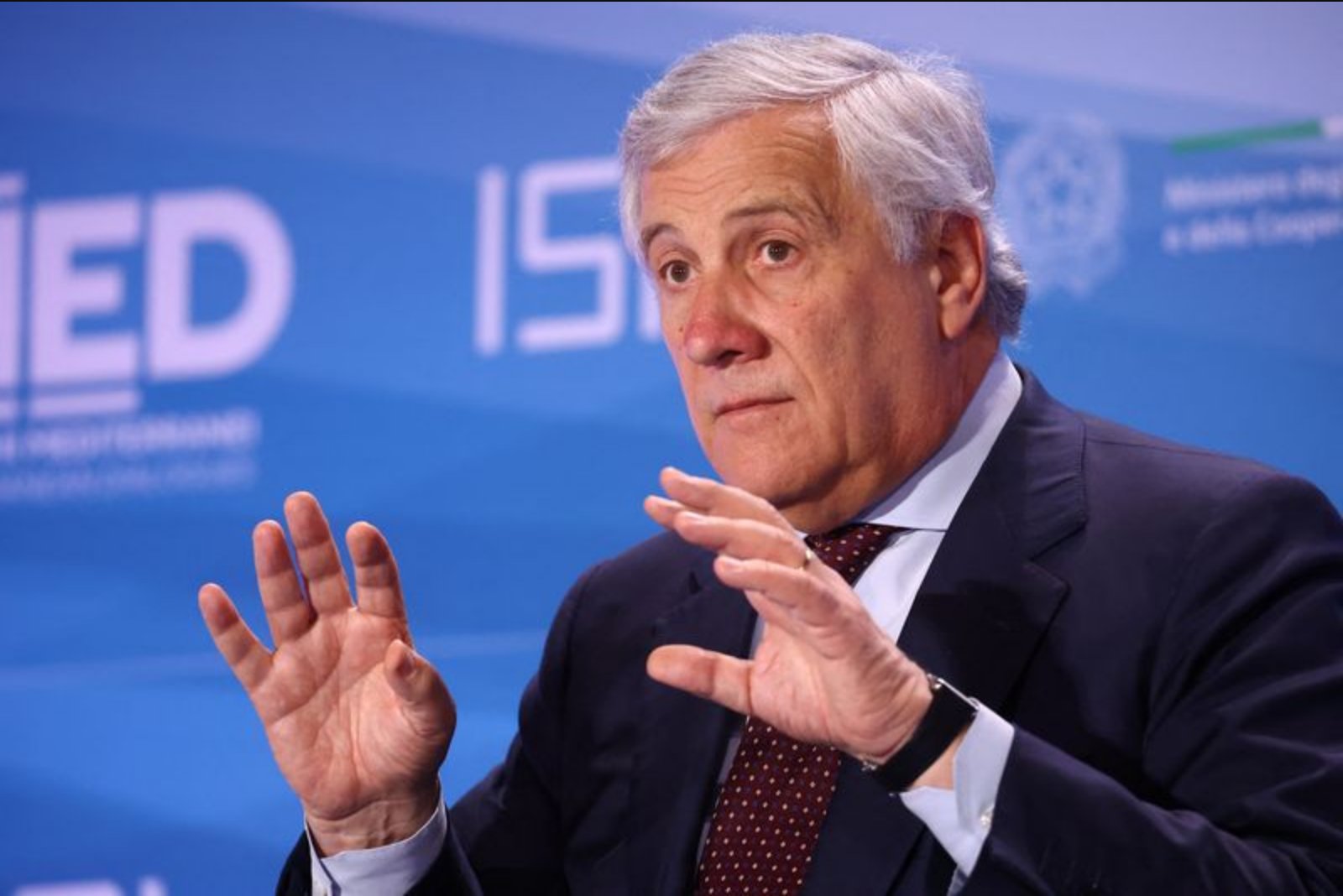
Rome, March 5 - Italy is assembling measures to shield its domestic economy and household purchasing power from the fallout of the Middle East crisis, Foreign Minister Antonio Tajani told parliament on Thursday.
Tajani said the government is finalising support for exporters as energy costs rise and shipping routes come under strain. He pointed to clear economic effects from heightened tensions around the Strait of Hormuz - a critical corridor for global energy flows - noting that oil and gas prices have jumped and that insurance premiums on maritime routes have increased.
"Our priority is to protect Italy’s economic fabric and households’ purchasing power," Tajani said to lawmakers, adding that the government was coordinating with state agencies to provide assistance for companies affected by the crisis.
The minister cautioned that the consequences of the crisis could go beyond energy markets. He said pressure could be seen on the prices of raw materials and on agricultural staples including wheat and cereals.
"As the conflict in Ukraine has shown, many countries around the world depend on wheat imports," Tajani said. "If the price of bread rises, social tensions can intensify and new sources of instability can emerge."
Tajani highlighted Italy’s existing engagement across the wider Mediterranean as part of its response, mentioning the Mattei Plan - Rome’s initiative to strengthen cooperation with countries in Africa and the Middle East. He said the government will evaluate whether to increase support for nations most vulnerable to potential cereal-price shocks, with the stated aim of preserving stability in the Mediterranean region.
He also stressed the strategic economic importance of the Gulf region for Italy, describing it as crucial for exports. Tajani cited a broader trade statistic to underline maritime significance, saying that around 40% of global maritime trade transits the Suez Canal and the Red Sea.
The minister’s remarks framed near-term government priorities as protecting household purchasing power and supporting businesses exposed to rising energy and transport costs, while also considering diplomatic and developmental measures to limit wider regional instability that could feed back into Italian markets.