
Economy March 10, 2026

Israel says it does not seek an open-ended war with Iran, will coordinate with U.S. on when to stop

Foreign Minister stresses consultation with Washington as conflict enters its 11th day; German counterpart signals skepticism about Tehran’s willingness to negotiate

By Derek Hwang
Israel says it does not seek an open-ended war with Iran, will coordinate with U.S. on when to stop

Israel’s foreign minister declared that the country is not aiming for a never-ending conflict with Iran and that decisions on when to halt operations will be made in consultation with the United States. Speaking in Jerusalem as the confrontation entered its 11th day, the minister declined to set a timeline. Germany’s foreign minister, also in Jerusalem, said a diplomatic resolution would be possible only if Iran were prepared to negotiate, and warned that Tehran has shown no readiness to do so.

Key Points

  • Israel's foreign minister said Israel is not seeking an endless war with Iran and will coordinate with the United States on when to end the conflict - sectors potentially affected include defense and diplomatic relations.
  • The conflict had reached its 11th day at the time of the statements, and Israeli officials declined to provide a timeline for its end - financial markets and regional trade sentiment may be impacted by ongoing uncertainty.
  • Germany's foreign minister said a diplomatic resolution would be achievable only if Iran were willing to negotiate and stated that Tehran has indicated it is not prepared for talks - this raises diplomatic and security considerations for allied countries.

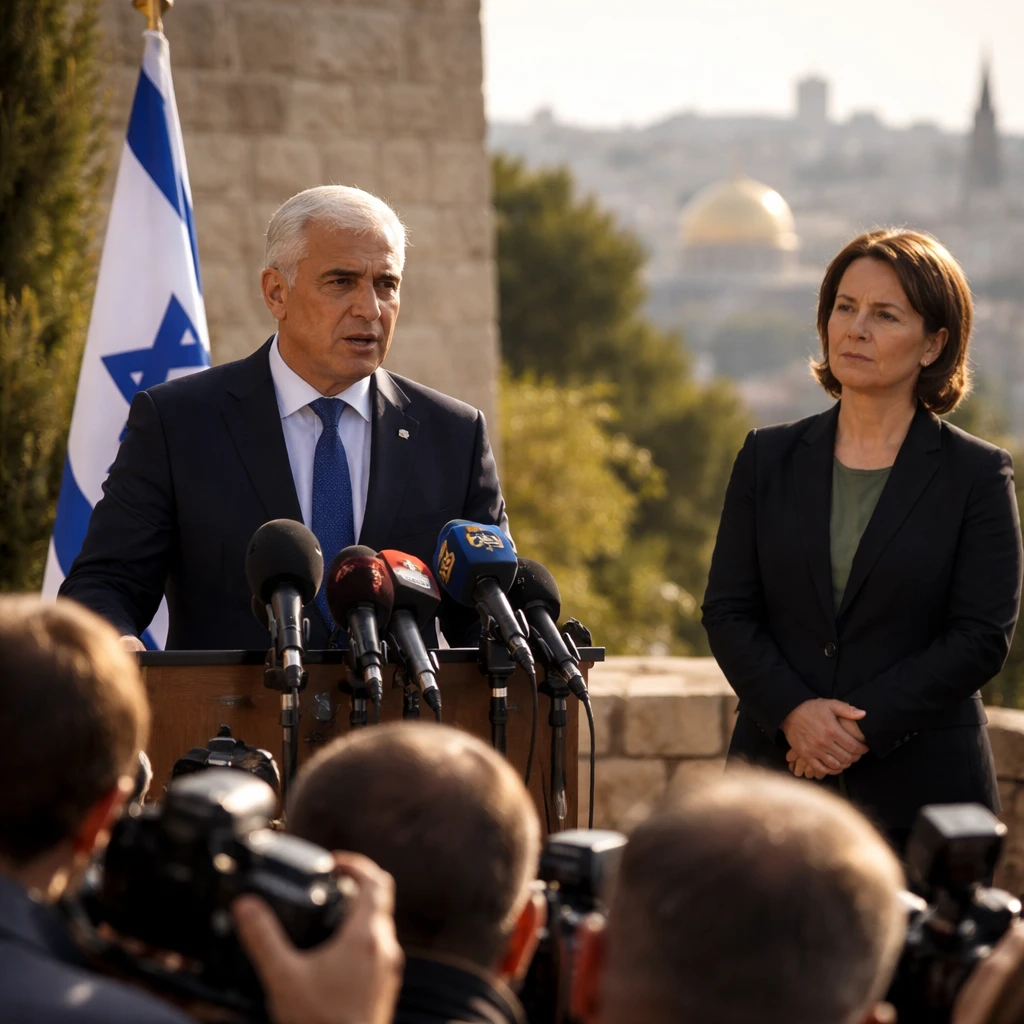
Israeli Foreign Minister Gideon Saar told reporters in Jerusalem on Tuesday that Israel does not seek to wage an endless war against Iran and will coordinate with Washington on the timing of any cessation of hostilities. The comments came as the confrontation reached its 11th day.

"We will consult with our American friends when we will think it is the right time to do that. We are not looking for an endless war," Saar said, declining to specify when he expects the fighting to end.

When pressed about the likely duration of the conflict, the foreign minister again chose not to offer a timetable. Saar repeated that consultations with the United States will guide Israel’s decision-making on when to stop operations, saying: "We will continue until the minute that we and our partners think is appropriate to stop."

Saar also cited remarks attributed to President Trump, noting the U.S. president had said the war would not end this week. Beyond that reference, the foreign minister did not add further detail on U.S. statements or on possible next steps.

Also speaking in Jerusalem, German Foreign Minister Wadephul said he is highly confident that the United States and Israel are prepared to pursue a diplomatic path if conditions allow. "If Iran was ready for a diplomatic solution, it would be achievable," Wadephul said.

Wadephul added that the messages coming from Tehran indicate a lack of readiness for negotiations. He warned there remains a regime in Tehran that seeks the elimination of the state of Israel, a characterization he presented while addressing questions about prospects for diplomacy.

The remarks from both foreign ministers underline that while Israel and its partners will weigh political and military considerations together, there is no public timetable for ending the confrontation. Officials repeatedly declined to provide estimates of duration, and emphasized coordination with allied partners as central to decisions about when to stop.


Full details remain limited to statements made by the officials cited above; no additional timelines or plans were announced.

Risks

  • Uncertainty over the duration of the conflict, as Israeli officials refused to provide a timeline - this creates risk for defense planning and market volatility.
  • Iran's apparent unwillingness to pursue a diplomatic solution, according to the German foreign minister, which increases the chance of continued confrontation and complicates diplomatic efforts.
  • The presence of a regime that seeks elimination of Israel, as characterized by the German foreign minister, introduces a sustained security risk for the region and for countries involved in coordination.

More from Economy

UBS Sees U.S. on Edge of AI-Led Growth, But Recovery Is Narrowly Focused Mar 10, 2026 BRB to Seek 3.3 Billion Reais Line from Brazil's Credit Guarantee Fund to Shore Up Capital Mar 10, 2026 Rising pump prices and market turbulence threaten consumer spending across U.S. income levels Mar 10, 2026 DOJ Pardon Attorney Ed Martin Faces Disciplinary Charges Over Letter Targeting Georgetown Law's DEI Teaching Mar 10, 2026 BofA Revises Bank of Canada Outlook After Energy Shock, Sees No Cuts Through 2026 Mar 10, 2026