
Overview
Iran's top security official, Ali Larijani, publicly declared that Tehran will not negotiate with the United States, hardening Iran's stance after coordinated strikes by U.S. and Israeli forces that led to the death of Iran's Supreme Leader, Ayatollah Ali Khamenei. Larijani made the statement in a post on X on Monday, directly dismissing media reports that suggested Iran had pursued dialogue through intermediaries in the wake of the attacks.
Larijani's position and accusations
Larijani, who serves as secretary of Iran's Supreme National Security Council, said plainly: "We will not negotiate with the United States." He also accused U.S. President Donald Trump of plunging the region into chaos and of spreading what Larijani called "false hopes" about diplomacy.
Escalation on multiple fronts
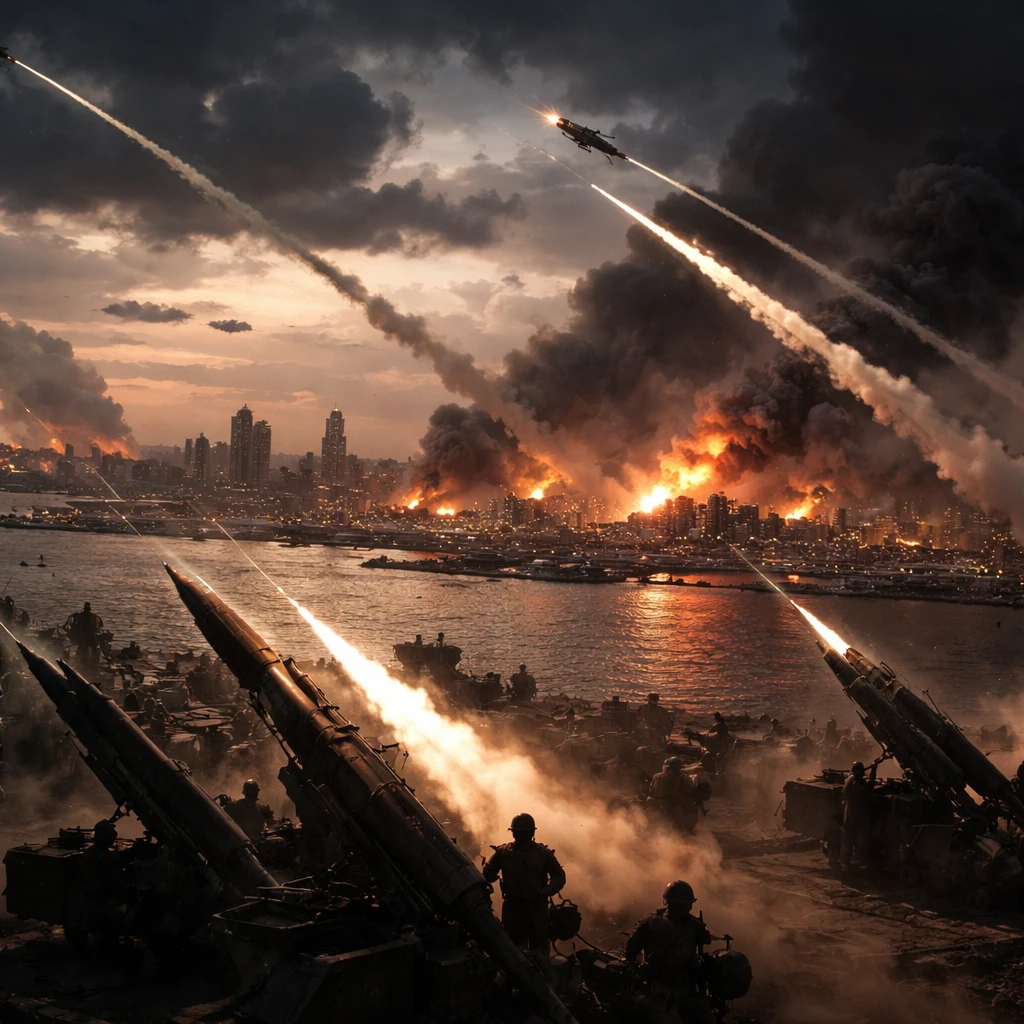
The comments came as violence across the Middle East intensified. Israel launched a fresh round of strikes on Tehran on Sunday, while Iran and groups aligned with it responded with missile barrages directed at Israel and at targets linked to the United States across the region. Iran described the killing of Khamenei in the weekend strikes as crossing a "dangerous red line" and said it had no option but to respond.
U.S. and Israeli intent to continue operations
U.S. officials, speaking through statements, indicated that U.S. and Israeli military operations would continue and could last several weeks. Those statements included warnings to Iran's leadership and security forces to surrender or face further strikes.
Key takeaways
- Larijani's categorical refusal to negotiate signals a firm diplomatic rejection of the United States despite earlier public openings toward a possible deal if diplomacy were prioritised.
- Military activity has surged, with reciprocal strikes between Israel, Iran, and allied groups across the region.
- U.S. and Israeli officials have said operations will persist and may continue for several weeks.
Impacted sectors and markets
- Defense - heightened military activity and prolonged operations could influence defense-related markets and contractor activity.
- Regional markets - continuing conflict may affect investor sentiment and regional financial stability.
- Energy markets - sustained escalation in the Middle East can create uncertainty for energy supply perceptions and commodity volatility.
Risks and uncertainties
- Further military escalation - continued U.S. and Israeli operations, which officials said could last weeks, introduce the risk of broader conflict expansion.
- Diplomatic deadlock - Larijani's rejection of negotiations removes a potential diplomatic avenue and leaves future engagement uncertain.
- Uncertain regional responses - reciprocal strikes by Iran and allied groups targeted at Israel and U.S.-linked locations create unpredictable security and market conditions.
This report presents the sequence of public statements and military actions as reported and does not introduce additional facts beyond those stated.