
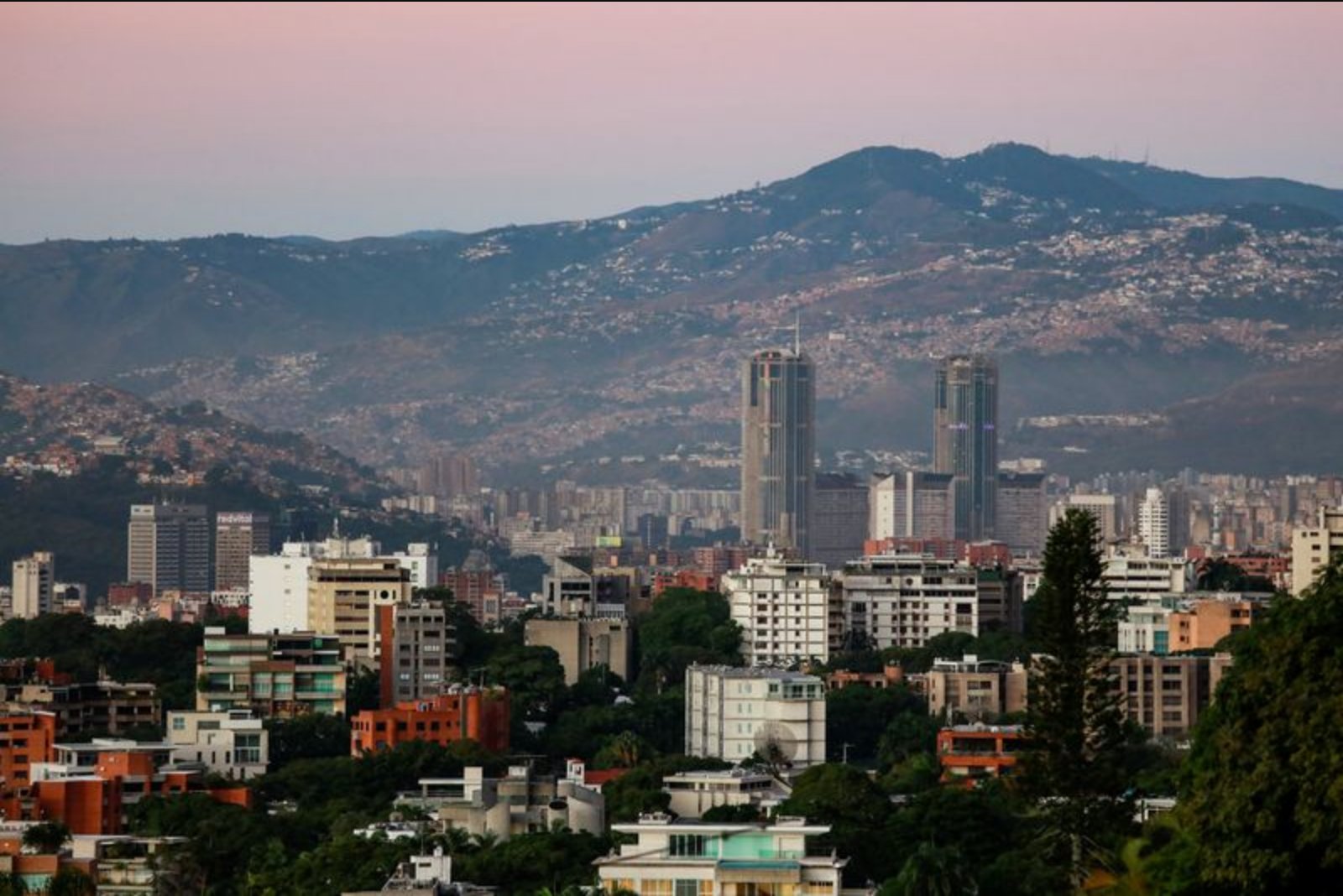
Dozens of investors from hedge funds to energy-focused groups are preparing to travel to Venezuela in the coming weeks in hopes of meeting top political and business figures and assessing potential investment opportunities, according to event organizers and participants.
Three distinct investor delegations are being set up by separate advisory outfits. New Jersey-based Trans-National Research and Caracas-based Orinoco Research are organizing trips that have not previously been widely disclosed, while Signum Global Advisors has published an outline of its own visit. The surge in investor interest follows the U.S. capture of former President Nicolas Maduro in January and recent steps by Washington and Caracas to re-establish diplomatic ties.
Why investors are returning
Venezuela is viewed by many in these groups as a country with high upside potential: it holds the world’s largest proven oil reserves and carries more than $100 billion in debt requiring restructuring. These attributes, combined with the new diplomatic momentum and what participants describe as rapidly improving conditions, have spurred interest from a cross-section of investors.
"It’s a coiled spring of opportunity," said Jesse Cole, president of Sky Drop Capital, who plans to join one of the forthcoming trips and cited energy, finance and technology as particularly attractive sectors.
Cole, who is based in Miami, previously established a manufacturing operation in Venezuela in 1998 but departed in 2011 amid a government push to expropriate key industries. He said he is now seeing renewed interest from wealth-management offices, high net-worth individuals and private equity firms considering allocations of $25 million to $100 million each.
"The Venezuela I left, I don’t think is the Venezuela I’m returning to," Cole said.
Organizers and schedules
One delegation organized by Trans-National Research is scheduled for March 16-17, according to a source familiar with the plans. Marc Zeepvat, Trans-National’s president and head of research, confirmed the trip but would not verify precise dates or the agenda. He described the firm’s specialization as facilitating investor relationships in "frontier" markets and said investors will be focused on macroeconomic and political stability.
"The obvious focus for them (the investors) is to get a handle on both macroeconomic and political stability," Zeepvat said.
Orinoco Research is arranging a separate trip in April, according to founder Elias Ferrer. Ferrer said senior-level Venezuelan officials will attend private meetings and that the group signing up is largely composed of bondholders seeking information and coordination on restructuring plans. He added that oil and real estate investors have also registered.
Ferrer said most attendees for Orinoco’s two-day event are American and that his organization is assisting with visa arrangements. The trip carries a fee of $7,000 per person and will conclude with a visit to the nearby Los Roques archipelago, known for its clear water and white-sand beaches.
Separately, Signum is holding a two-day conference from March 22-24 that has drawn 55 participants, according to the firm’s chairman and founder, Charles Myers. About half of those joining Signum are asset managers and hedge funds, many of which currently own or have recently acquired debt issued by the Venezuelan government or state oil company PDVSA, both in default since 2017.
"Venezuela has several big advantages, including its energy reserves and U.S. backing," Myers said.
Planned meetings with officials
Draft agendas shared with investors include numerous senior figures from Venezuela’s interim government and state entities. An investor source who reviewed the drafts said Delcy Rodriguez, the current acting president and formerly Maduro’s deputy, appears on one proposed agenda, and PDVSA CEO Hector Obragon is listed for two events.
Trans-National is advertising meetings with Finance Minister Anabel Pereira and central bank policymaker Laura Guerra, while Orinoco’s schedule reportedly includes Mining Minister Hector Silva and Caracas Stock Exchange CEO Jose Grasso. Orinoco’s founder declined to comment on the detailed agenda.
Requests for comment sent to Venezuela’s communications ministry, PDVSA, the central bank and the Caracas stock exchange did not receive responses.
U.S. engagement and official remarks
White House spokeswoman Taylor Rogers characterized activity by private-sector companies as brisk, saying that critical minerals, mining, and oil and gas companies are moving at "Trump speed" to enter newly available Venezuelan markets. Rogers also referenced U.S. Interior Secretary Doug Burgum having met with Delcy Rodriguez and a range of investors during a Venezuelan trip that concluded on Thursday, calling the meetings evidence of rapid progress and strong appetite to restore capital flows.
Investor caution and constraints
While the political and diplomatic shifts have broadened investor interest, not all market participants are ready to visit Caracas. Petar Atanasov, co-head of sovereign research at Gramercy Funds Management, said his firm is holding off on travel for now as it monitors normalization efforts.
"As things continue to hopefully normalize, potentially we can see that happening in the not so distant future," Atanasov said. "There is still a little bit of hesitation in some people about the situation there."
Sanctions remain a significant impediment. Washington has not lifted sanctions on acting President Rodriguez or other senior officials, and organizers emphasize the legal limits this imposes on engagement. Zeepvat cautioned that actual transactions are currently impractical because firms must avoid providing advice or consulting to sanctioned parties.
"Actual transactions, for the moment, remain out of the question," Zeepvat said. "We have to be mindful not to provide advice or consulting services to any of the sanctioned counterparties."
What investors hope to learn
Participants on the trips are primarily seeking on-the-ground information to evaluate political stability, fiscal policy direction, and the mechanics of any forthcoming debt restructuring. Bondholders want detailed briefings to coordinate positions, while energy and real estate investors aim to size up asset conditions and opportunities. Organizers have tailored agendas to include private briefings with government ministers and state enterprise leaders to address those needs.
Conclusion
The flurry of planned investor travel reflects a swift change in sentiment toward Venezuela since the U.S. capture of former President Nicolas Maduro in January and the recent restoration of diplomatic ties. While these delegations could lay groundwork for future deals and restructuring negotiations, legal and sanctions-related barriers continue to restrict immediate commercial activity. For now, the visits appear aimed at information-gathering, relationship-building and positioning ahead of potential changes in the country’s debt and investment landscape.