
LONDON, March 6 - With the Middle East conflict moving into a second week, investors have sought shelter in a handful of popular defensive trades that are acting as shock absorbers for portfolios even as economic clarity around inflation and monetary policy has effectively evaporated.
The U.S. dollar has emerged as the primary refuge. It is poised for its strongest weekly gain since late 2024, up about 1.7% for the period. At the same time, energy benchmarks have surged, stoking memories of a 2022-style squeeze, yet the market has not displayed the kind of widespread panic that typically accompanies major geopolitical or financial shocks.
Market participants point to two factors that are tempering disorder. First, traditional indicators of stress - notably corporate bond spreads and the VIX equity volatility index - have not blown out, implying many investors are treating the conflict as transitory and priced for a quick resolution. Second, large pools of capital that accumulated in popular trades over the past year - from gold to emerging-market exposures - have been redeployed to offset losses elsewhere and to shore up portfolios.
Bank of America’s most recent monthly survey of global fund managers highlights how concentrated those popular positions became: 50% of respondents said owning gold was the most crowded trade. Gold has climbed roughly 70% over the past year. That was followed in the survey by heavy positions in Big Tech stocks, and managers reported a larger overweight to emerging-market equities than at any point in the previous five years.
Those same crowded positions have been among the hardest hit in the past week, alongside government and corporate bonds, which suffered their worst weekly selloff in at least a year as inflation expectations rose and upended some rate forecasts.
Still, the plumbing of global markets has not seized up. Kit Juckes, head of FX Strategy at Societe Generale, noted there is nothing that is gumming up the system. "There’s nothing that gums up the works of the system," he said, adding that what investors are seeing is a geopolitical shock that has pushed the dollar higher, pulled equities lower, nudged up volatility and caused oil prices to jump rapidly.
Volatility and derivatives activity have been elevated but contained
Several market measures that tend to signal severe stress have remained comparatively steady. Cross-currency basis swaps, which show foreign demand for dollars, swap spreads that can reflect shifts in risk appetite, and junk bond indexes have not experienced large dislocations. Those instruments did spike in previous episodes of acute market stress - after last April’s U.S.-triggered tariff turmoil, during the regional banking crisis in 2023, at the onset of the COVID shock in 2020 and following Russia’s invasion of Ukraine - when investors rushed into cash and dumped risky holdings.
Some volatility gauges have risen this week, but the moves are moderate in historical context. The VIX equity volatility index is trading a bit above 20, marking the largest weekly climb since last November. That contrasts sharply with the spike to a record near 60 seen after Donald Trump’s "Liberation Day" last April.
Bond market volatility, measured by the ICE BofA MOVE index, is at its highest since November at about 75, still well below the roughly 140 levels seen last April. Currency volatility has also increased, but the uptick is smaller than the jump experienced in late January when geopolitical headlines briefly roiled foreign-exchange markets.
Energy is the central fault line
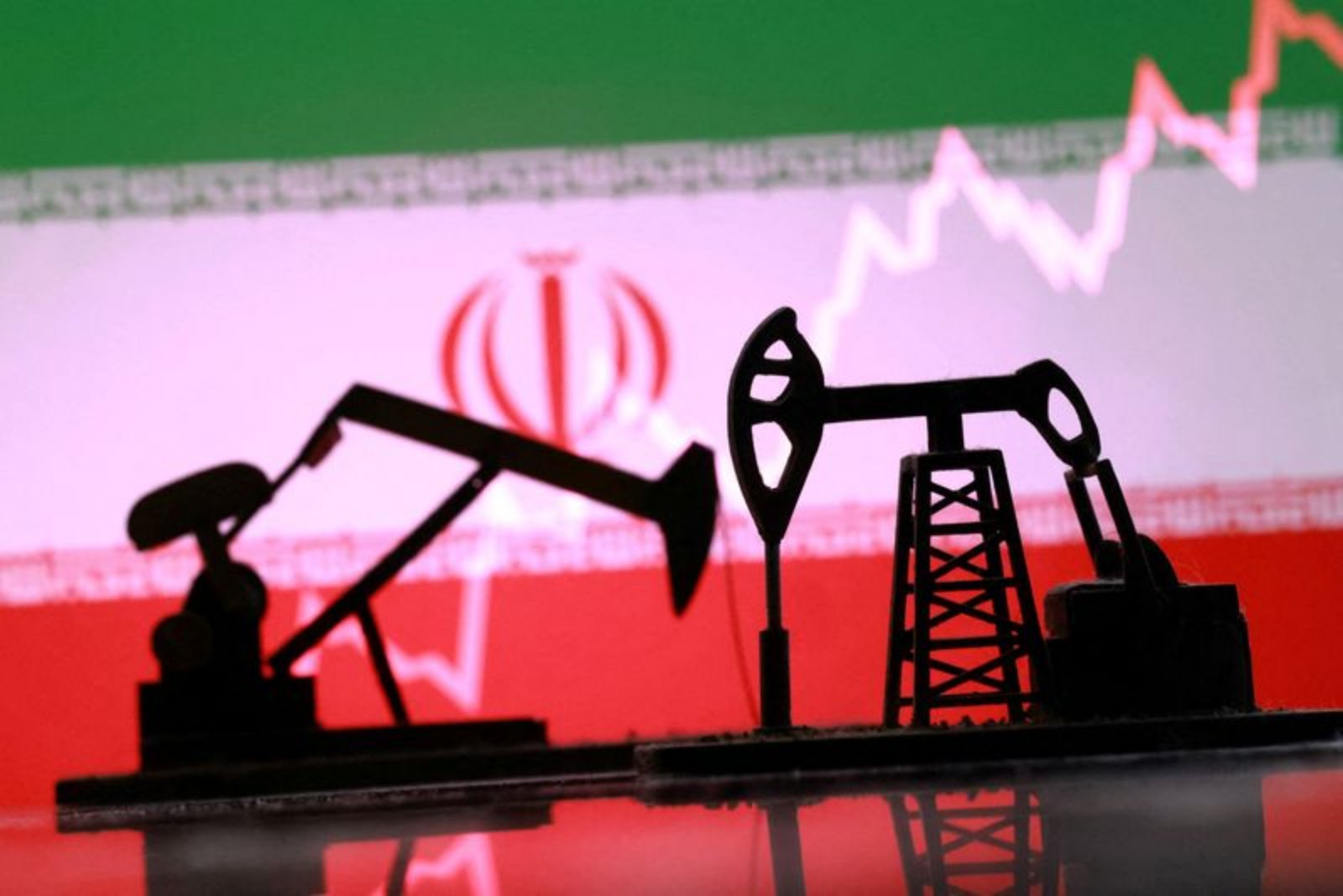
Energy markets are the principal source of current concern. Oil prices have moved more than 20% in a single week, registering their largest weekly advance in four years. That has revived fears of a sustained energy squeeze and the inflationary impulse that could follow.
"When you look at past crises, we can see that generally the impact of past conflicts are relatively neutral for equities. We can see some shock, but after three months, six months, it’s relatively manageable," said Nicolas Forest, chief investment officer at Candriam. He added that if oil reaches $100 a barrel that would be a different scenario, noting the implications would be more acute.
Other market watchers and regulators have warned for months about vulnerabilities that could amplify future shocks: leverage among hedge funds that are major players in government bond trading, a potential overheating in AI-related segments, and growing risks in private credit markets. These structural concerns mean a sudden energy-driven inflation uptick could interact with existing vulnerabilities.
Kevin Thozet, who serves on the investment committee at fund manager Carmignac, has long argued markets may be underestimating the chance of a sustained rise in inflation, especially given persistent global growth. He prefers inflation-linked bonds over nominal bonds as a hedge. "Even with oil nearing $90 a barrel, people are still underappreciating the risk of inflation over the medium term," he said.
Investors return to familiar positions amid profound uncertainty
With clarity on the rate trajectory and the conflict’s longer-term economic impact absent, many investors are circling back to trades they know. "People are struggling to understand the answer of, ‘what do I buy?’" said Dan Izzo, owner and founder of hedge fund BLKBRD. He noted that earlier in the year, before the Iran war, investors were broadly inclined to buy assets outside the U.S., driven in part by AI-related opportunities and credit concerns within the U.S. The war, he added, has shifted that mindset.
Market participants are therefore reallocating capital into dollar exposures and other defensive holdings even as previously crowded bets like gold and emerging equities have been sold to finance those moves and to limit portfolio drawdowns.
What investors are asking
As the outlook fragments, the perennial question of what constitutes the best investment has resurfaced. One industry service suggests the best opportunities in 2026 will be identified through higher-quality data and analysis rather than intuition alone. The product claims to blend institutional-grade datasets with AI-driven insights to help investors evaluate ideas without requiring advanced technical expertise. The service does not guarantee winners but positions itself as a tool to surface more potential opportunities. Prospective users are invited to consult an AI assistant branded as WarrenAI as part of the decision process.
For now, with inflation expectations, oil prices, and geopolitical uncertainty all moving rapidly, market participants appear to be relying on well-known, heavily trafficked trades to dampen the immediate shock and await greater clarity on how the conflict will feed through to growth and policy.