
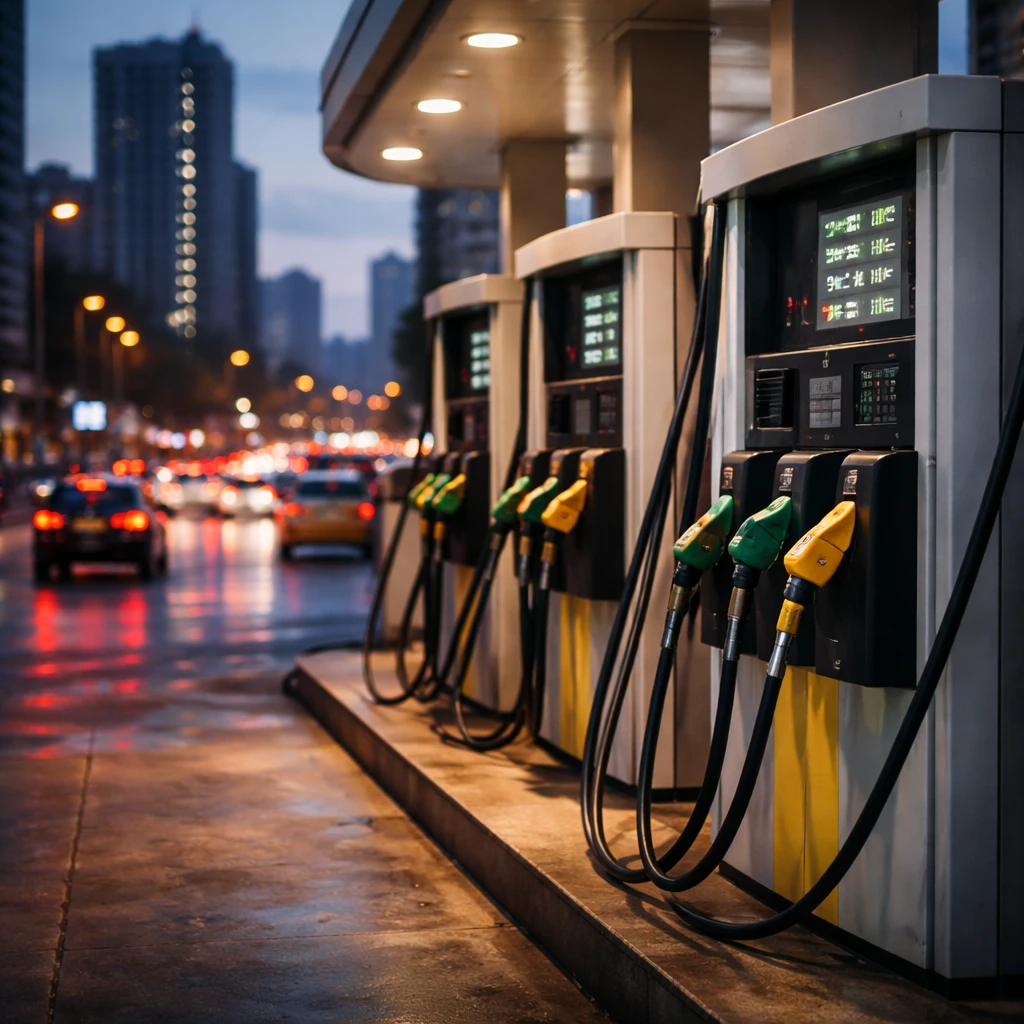
The landscape for domestic energy costs in India is shifting rapidly as state-controlled oil marketing entities continue to adjust retail rates in response to global market pressures. On Saturday, these companies executed their third price hike within a period of less than ten days, with adjustments reaching up to 94 paise ($0.010) per litre across several major metropolitan areas.
Regional Pricing Variations
The impact of these revisions varies significantly by location due to local taxation structures. In New Delhi, the capital city, petrol prices have climbed to ₹98.64 ($1.031) per litre, while diesel is currently priced at ₹92.49 ($0.966) per litre. In Mumbai, fuel rates remain higher than those in the capital because of differences in state-level levies and local Value Added Tax (VAT) schedules. In Mumbai, petrol saw a 94 paise ($0.010) upward adjustment to reach ₹95.02 ($0.993) per litre, while diesel rose by 90 paise ($0.009) to settle at ₹108.49 ($1.133) per litre.
Market Drivers and Economic Vulnerabilities
The primary driver for this series of consecutive revisions is the elevated cost of international Brent crude. These high benchmark prices are being sustained by ongoing geopolitical tensions located in West Asia, which have introduced significant risks regarding energy supply disruptions. Prior to this recent wave of increases, Indian oil marketing companies had maintained frozen retail rates for a period of several months. During that time, the companies absorbed substantial under-recoveries as the costs associated with purchasing international oil continued to advance.
India's position in the global energy market is characterized by a heavy reliance on imports, as the nation procures more than 80% of its total crude oil requirements from abroad. This dependency makes domestic retail pricing highly sensitive to two specific factors: fluctuations in international energy benchmarks and shifts in the valuation of the Indian Rupee.
Key Economic Impacts
- Energy Sector Pressure: State-run oil marketing companies are facing immediate pressure as they transition from absorbing under-recoveries to passing costs through to consumers.
- Consumer Inflationary Trends: The rapid succession of hikes in petrol and diesel prices directly impacts the cost of fuel for various sectors across the economy.
Risks and Uncertainties
- Geopolitical Instability: Ongoing tensions in West Asia create persistent risks of supply disruptions, which could further destabilize international crude benchmarks.
- Supply Chain Logistics: The future direction of domestic fuel pricing remains uncertain, contingent upon whether global supply chain conditions reach a state of stability or face additional logistical hurdles.