
Overview
India has confirmed it will not lift or soften the national ban on e-cigarettes, including heat-not-burn tobacco devices, closing off a potential market for alternative tobacco products promoted by major global manufacturers. The government reiterated that the 2019 prohibition explicitly covers heated tobacco products and that there is no intention to revoke, amend or relax the law.
Official position
The health ministry said in response to queries that India continues to pursue evidence-based measures for tobacco control and cessation, and that the current legal framework clearly forbids heat-not-burn devices. The ministry added that the legal situation will remain unchanged.
Scope of the market and public-health context
India is one of the world's largest cigarette markets by volume, with more than 100 billion cigarettes sold each year, ranking seventh globally. Tobacco use in the country is associated with more than one million deaths annually, a statistic the government cites in support of strict regulation.
Philip Morris' campaign
Confidential company letters and other material from 2021 through 2025 indicate that Philip Morris International carried out a private, multi-year lobbying campaign aimed at Indian authorities and a parliamentary health panel. The correspondence urged officials to review the science behind heated tobacco products, to permit research, and to consider exempting heat-not-burn devices from the existing ban.
In these letters, Philip Morris asked India to think about addressing smoking-related harm through regulated alternatives, framing the approach as similar to harm reduction policies used in other public-health contexts. The company proposed bringing in its scientists and outside experts, including former regulators, to present data and global experience that it said supports the public-health benefits of such products.
Evidence of Philip Morris' outreach also includes meetings between company executives and multiple state government officials during an international forum in Davos earlier this year, where photographs shared on the company's professional networking accounts show discussions about creating long-term value in tobacco through products like heated tobacco devices.
Company stance and market ambitions
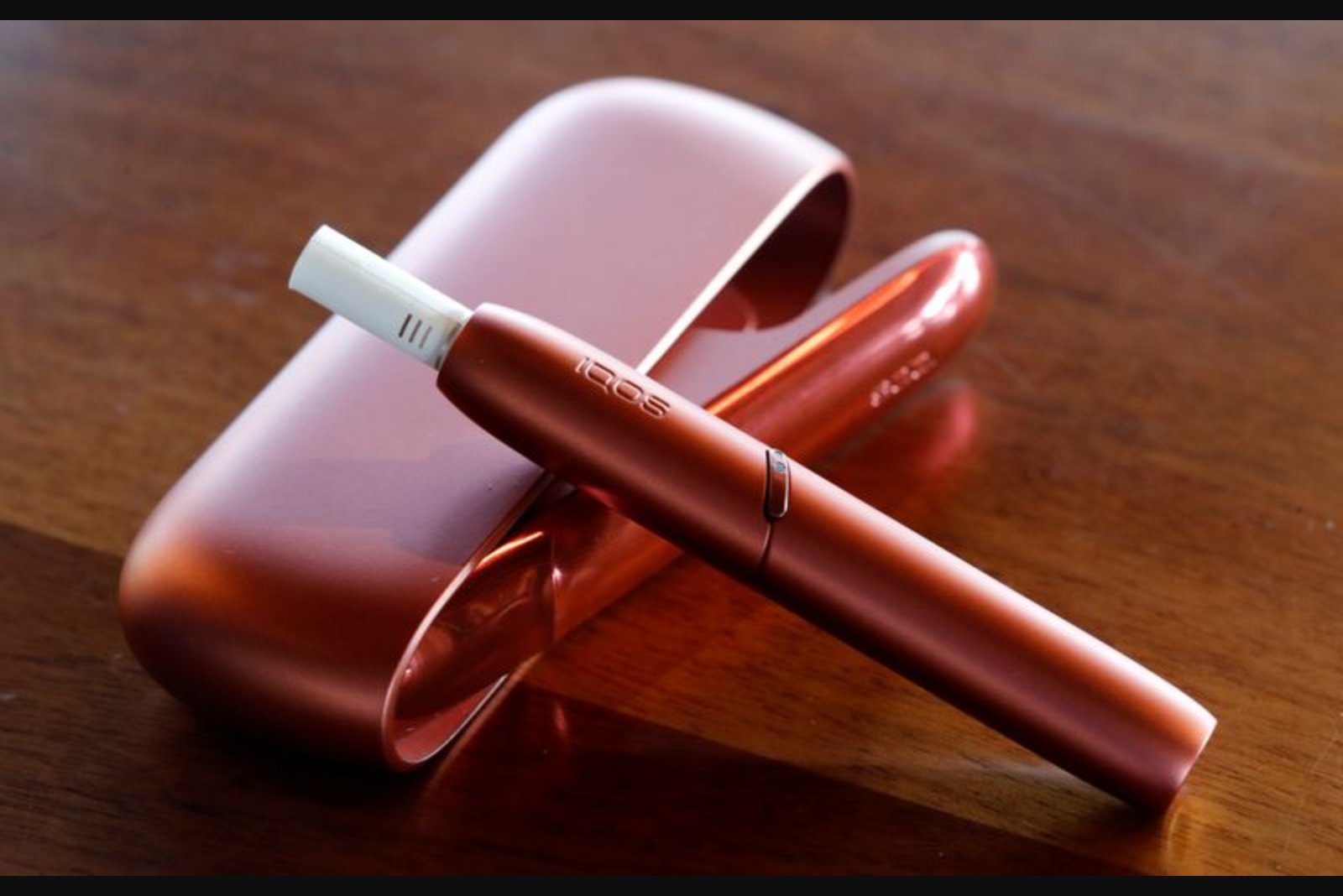
Philip Morris has positioned its heated tobacco device, IQOS, as a flagship smoking alternative. The company reports more than 35 million users worldwide for IQOS and states it holds roughly 76% of the global market for heated tobacco products. It views India as a potentially major market, particularly because local cigarette sales scale is large and the company has increased its share of India's cigarette market to an estimated 7.6% in 2024, up from about 1.75% in 2019, according to market research cited by the company.
In communications to Indian officials, Philip Morris characterized itself as deeply invested in the future of India and requested that scientific evidence be reviewed by the Indian Council of Medical Research (ICMR). The company argued that enabling access to smoke-free alternatives could advance public-health goals if smokers switch from cigarettes to heated products.
Regulatory and scientific responses
The ICMR told authorities it is not considering or undertaking any research on heated tobacco products. Internationally, regulators have reached mixed conclusions: some agencies have determined certain heated tobacco devices can have a net public-health benefit if they displace conventional cigarette use, while other bodies have warned about health risks associated with heated tobacco.
Private comments from company leadership
Philip Morris' chief executive said in a recent interview that he has engaged with various people in India and described it as illogical for the market to allow cigarettes while barring smoking alternatives such as heated devices and vapes. The company declined to comment directly on the health ministry's public statement, but noted it frequently engages with governments worldwide at major forums to discuss smoke-free products.
Market implications
A launch of heated tobacco in India would have represented a strategic growth opportunity for the company, potentially accelerating adoption as the product expands in markets where initial growth has been strong. Analysts have noted that an IQOS rollout in India could have provided an avenue for the company to capture a larger share of the overall tobacco market.
Philip Morris' outreach spanned both central and state-level actors and included appeals to scientific bodies and parliamentary committees. The company documented sales of roughly 151 billion IQOS units globally in the most recent year reported in its communications material.
Closing the door
With the government affirming that the ban will remain in place and national research bodies indicating they are not pursuing studies on heated tobacco products, the pathway for market entry for devices like IQOS in India is effectively blocked for now. That stance leaves cigarette manufacturers that already operate in India to continue competing in the existing legal environment, while companies advocating for regulation-based entry for heated products must reassess strategies in light of the government's position.
Sources for sales, market-share, company statements, analyst commentary, and the government's response were drawn from the factual record available in the correspondence and public comments summarized above.