
Economy June 5, 2026 08:49 AM

India and U.S. Close In on First Phase of Trade Deal with Mid-July Target

Trade minister says initial tranche will offer India preferential access as delegations accelerate talks in New Delhi

By Priya Menon

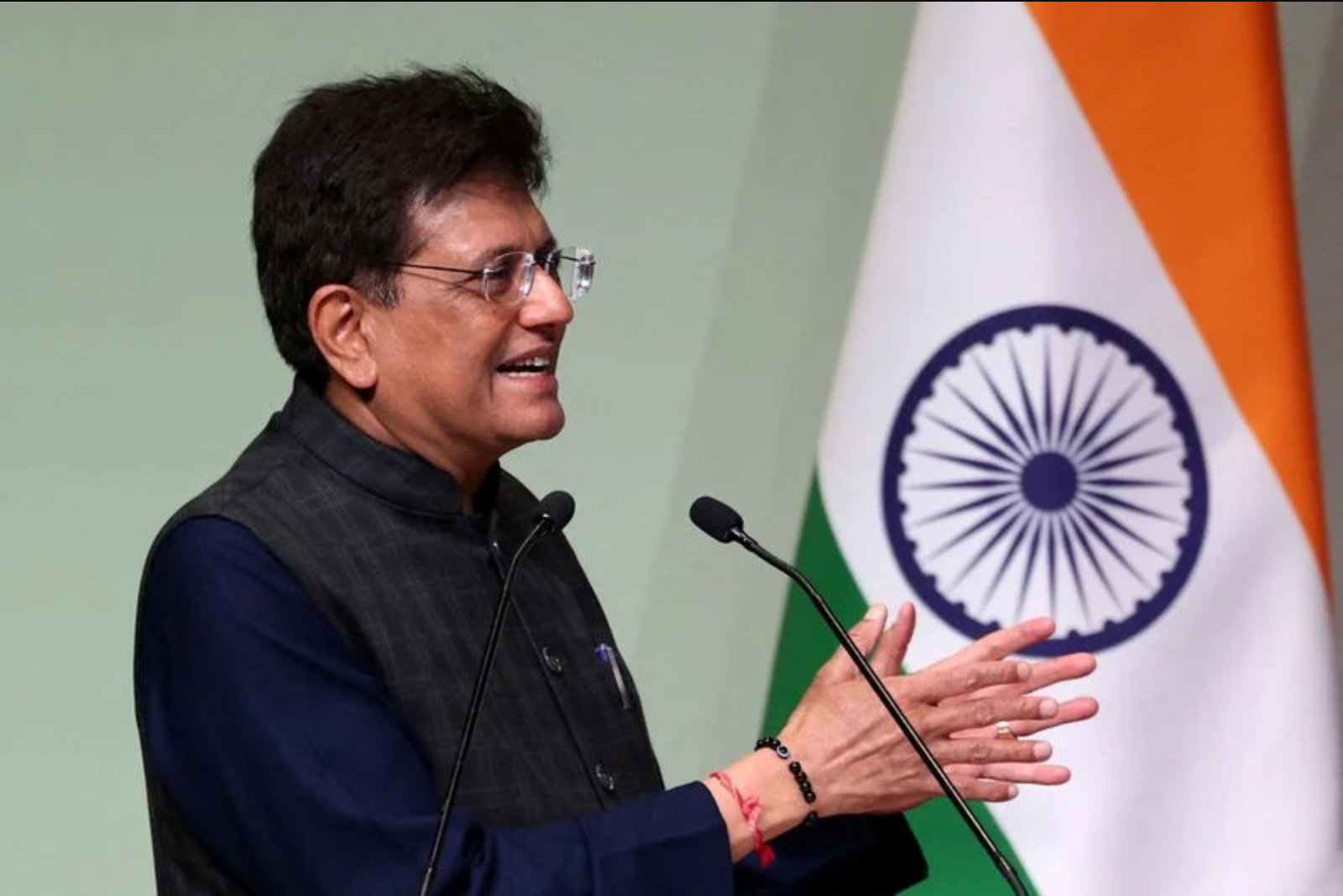
India and the United States are progressing rapidly toward finalising the first tranche of a bilateral trade agreement, with Indian Trade Minister Piyush Goyal saying the initial phase could be executed by mid-July. Talks stalled earlier this year but resumed momentum after meetings in New Delhi; a separate U.S. tariff proposal linked to forced labour remains an outstanding issue.

India and U.S. Close In on First Phase of Trade Deal with Mid-July Target

Key Points

  • India and the United States are advancing toward finalising the first tranche of a bilateral trade agreement, with a possible execution by mid-July.
  • The initial understanding on a deal was reached in February, negotiations slowed after a U.S. court struck down broad tariff measures, and they resumed during meetings in New Delhi this week.
  • A separate U.S. proposal would impose a 12.5% tariff on imports from India on grounds of alleged forced-labour-linked goods; the first tranche is expected to provide India preferential access. Sectors impacted include international trade, import-dependent manufacturing, and labour-sensitive supply chains.

New Delhi, June 5 - India and the United States are moving quickly toward finalising the first phase of a bilateral trade pact that India’s trade minister said could be concluded by mid-July.

Trade Minister Piyush Goyal told reporters that the two sides had reached an initial understanding on a trade deal in February, but that negotiations had slowed following a court decision in the United States that struck down President Donald Trump’s sweeping tariff measures. He said talks regained momentum during meetings in New Delhi this week.

Goyal described a strong presence from the U.S. side in the recent sessions. "We had a full team of officials from different divisions of trade from the U.S. in Delhi," he said, adding that both parties were "fast moving towards closing all the open ends" of the proposed agreement.

The first tranche is envisioned to provide India with preferential trade access compared with other countries, according to Goyal. He projected a timeline for implementation, saying: "By sometime in the middle of next month or so, we should be in a position to execute a very vibrant first tranche."

Goyal also indicated that a higher-level U.S. delegation was likely to visit India later this month to continue the negotiations.

Separate from the bilateral talks, the United States on Wednesday proposed an additional tariff of 12.5% on imports from India, stating that India was among 60 economies it identified as having failed to curb imports produced with forced labour. That proposal represents a distinct trade action that sits alongside the ongoing negotiations on the bilateral agreement.

Officials on both sides are therefore advancing the negotiation process while a U.S. tariff proposal related to forced-labour findings remains an outstanding factor. The timetable and next steps include further high-level meetings expected later in the month as officials work to finalise outstanding issues ahead of the mid-July target.


Summary of points

The talks began with an initial understanding in February, experienced a pause after a U.S. court decision on tariff measures, and have accelerated with ministerial-level engagement in New Delhi. The first tranche is intended to offer India preferential access, and further U.S. delegations are expected to visit India to close open items.

Risks

  • The U.S. proposal for a 12.5% tariff on imports from India, tied to forced-labour concerns, could complicate or influence negotiations - affecting import-reliant industries and manufacturers.
  • Previous pauses in talks following the U.S. court decision to strike down sweeping tariff measures highlight procedural and legal uncertainties that could delay finalisation - impacting trade flows and planning for exporters and importers.
  • Outstanding technical or policy 'open ends' remain to be closed, and while a higher-level U.S. delegation is likely to visit later this month, the schedule and outcomes of those meetings are not guaranteed - creating timing risk for businesses awaiting preferential access.

More from Economy

Norway Rebukes U.S. Finding on Forced Labour, Objects to Proposed Tariffs Jun 5, 2026 May Jobs Report Reinforces Tight Labor Market, Pushes Rate Expectations and Yields Higher Jun 5, 2026 Private credit growth cools as issuance and fund flows slow markedly Jun 5, 2026 Hedge Funds Outperform Benchmarks in May as Tech-Led Equity Rally Lifts Returns Jun 5, 2026 Chinese lenders lift U.S. dollar deposit rates as yuan strengthens Jun 5, 2026