
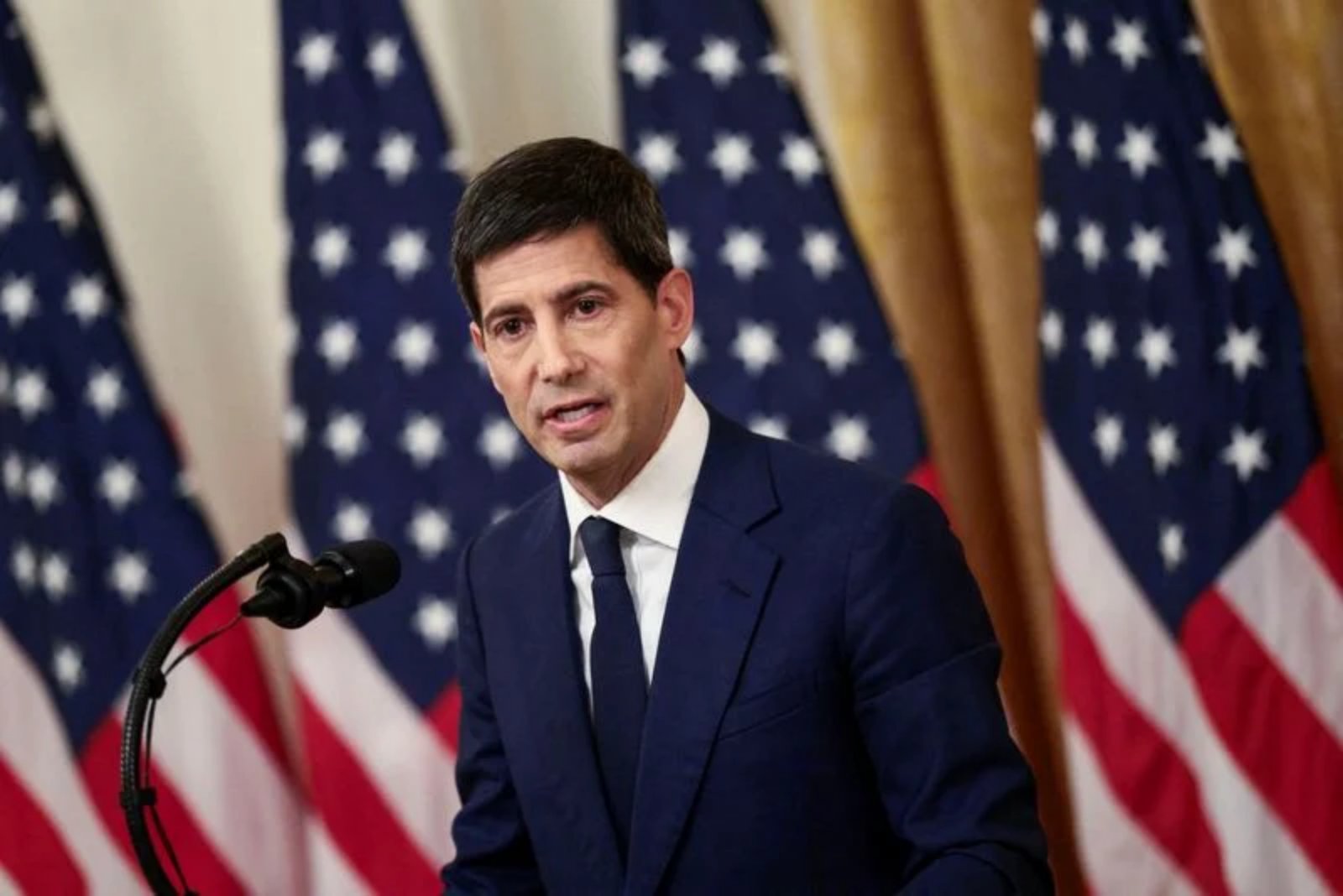
The International Monetary Fund has advised the Federal Reserve to adopt a cautious stance on interest rates as the central bank prepares for its next policy decision under new Chair Kevin Warsh.
IMF spokesperson Julie Kozack, speaking at a regular press briefing, said the Fund now expects inflation to return to the Fed’s 2% target by the end of 2027, a revision from its earlier projection that had targeted mid-2027.
"So we’ve now delayed a bit further the return to target," Kozack said. "We do see sort of upside risk to inflation, and that it implies that the Fed’s policy actions will need to proceed with caution and will need to be carefully calibrated to incoming data."
Kozack pointed to two specific pressures that have increased upside risks to inflation: shocks to energy prices and a rising pass-through of higher tariff costs. Those factors, she said, prompted the IMF to push back its timeline for when inflation would fall back to the Fed’s 2% objective.
The timing of the IMF statement coincides with the Federal Open Market Committee’s calendar: the Fed’s policy-setting committee is scheduled to meet on June 16-17. The IMF’s guidance underscores the case for measured policy adjustments rather than abrupt moves, according to the Fund’s comments.
Context and implications
The IMF’s updated projection and its recommendation for caution underline ongoing inflationary pressures that, in the Fund’s view, have not yet fully abated. The Fund explicitly cites energy-related price shocks and tariff pass-through as the drivers of the revised timeline.
As a result, the IMF advises that Fed policy decisions should be data-dependent and finely tuned to incoming economic information, reflecting concern that premature easing or tightening could be ill-suited to evolving inflation dynamics.
Next steps
- The Fed will hold its policy meeting on June 16-17 under Chair Kevin Warsh.
- The IMF will monitor developments in energy markets and tariff-related cost pass-through as part of its ongoing assessment of inflation prospects.