
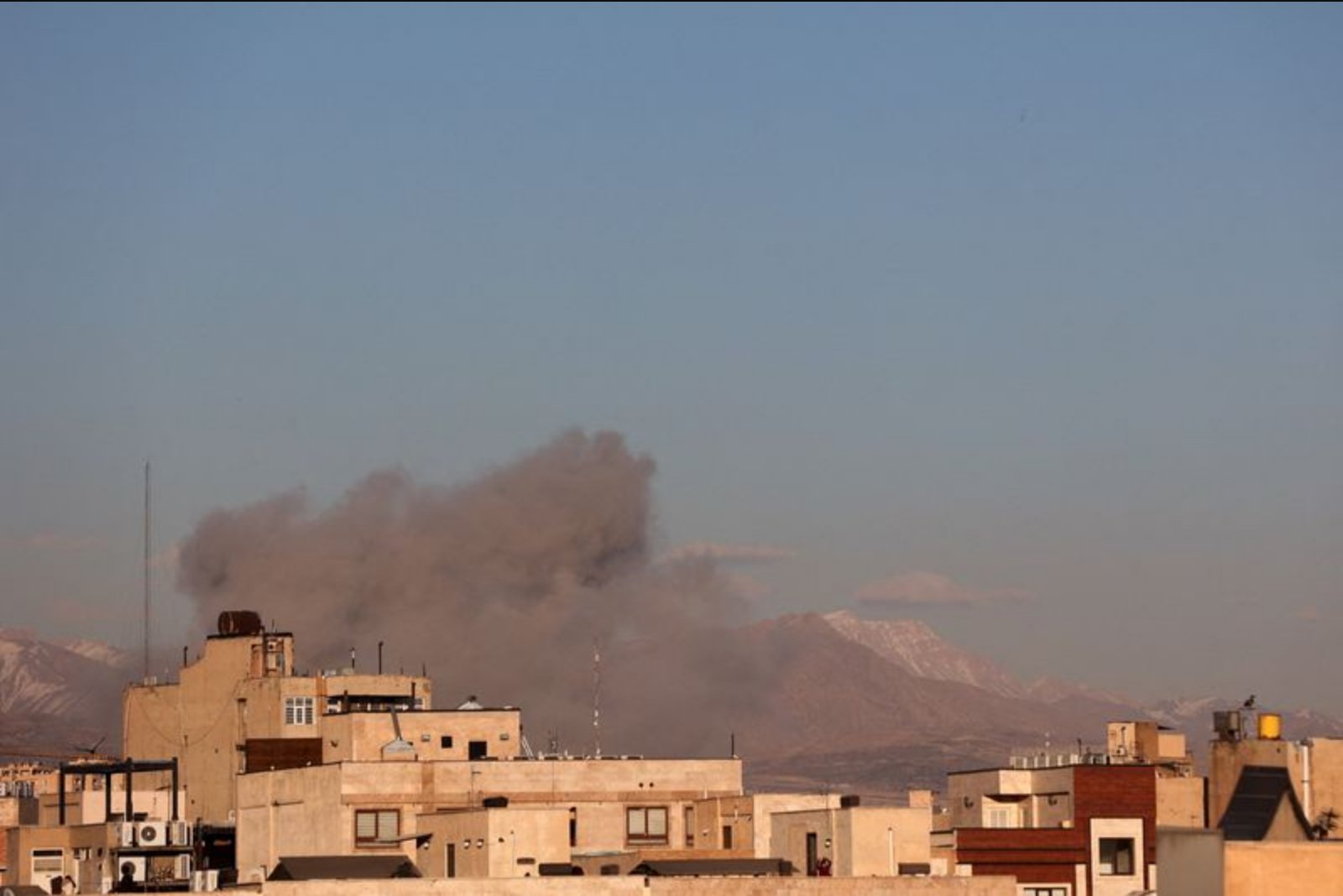
WASHINGTON, March 3 - The global economic impact of the war in the Middle East will turn on how long hostilities continue, the scale of harm inflicted on the region's infrastructure and industries, and whether any upward movement in energy prices proves fleeting or persistent, the International Monetary Fund's number two official said on Tuesday.
IMF First Deputy Managing Director Dan Katz addressed the Milken Institute Future of Finance conference in Washington, urging caution in assessing the conflict's macroeconomic consequences. He said the episode "certainly has the potential to be very impactful on the global economy across a range of across a range of metrics, whether it’s inflation, growth and so on. But it’s very early at this point to, you know, have any sort of firm conviction about what the likely impact is going to be."
Katz emphasized that the economic fallout will mirror geopolitical developments and the persistence of the fighting. That linkage means the balance between short-lived shocks and lasting damage will determine whether effects concentrate on prices and output in the near term, or become more entrenched and wide-ranging.
The official singled out energy prices as a key channel through which the conflict could influence global inflation and growth, noting that a temporary spike would have a different set of implications than a prolonged elevation in costs. He also pointed to direct effects arising from damage to the region's infrastructure and industrial capacity, which would amplify economic consequences if they are severe and sustained.
At the same time, Katz cautioned observers and policymakers that, with the situation still developing, drawing definitive conclusions about the ultimate economic impact would be premature. The emphasis of his remarks was thus on uncertainty: outcomes depend on the duration and severity of the conflict and the subsequent behavior of energy markets.
Contextual takeaway - The IMF's deputy managing director framed the economic outlook as contingent and evolving, warning that both the scale of physical damage in the region and the persistence of higher energy prices are decisive in shaping inflation and growth trajectories globally.