
Economy March 5, 2026

IMF Concludes Kenya Staff Visit; Technical Talks to Resume at Spring Meetings

Mission wrapped up after discussions on fiscal discipline and resilience, with further talks slated for IMF-World Bank Spring Meetings

By Leila Farooq
IMF Concludes Kenya Staff Visit; Technical Talks to Resume at Spring Meetings

An IMF staff mission to Kenya has concluded after talks with Kenyan authorities focused on recent economic developments and technical preparations for a requested lending programme. The IMF said discussions highlighted the need for stronger fiscal discipline, improved fiscal credibility, and greater resilience to external shocks. Kenyan officials and IMF staff agreed to continue discussions at the upcoming IMF-World Bank Spring Meetings; the mission will not lead directly to an IMF Executive Board discussion.

Key Points

  • IMF staff mission concluded in Nairobi after technical discussions on Kenya's requested lending programme.
  • Discussions emphasized strengthening fiscal discipline, improving fiscal credibility, and enhancing resilience to external shocks - relevant for public finance, sovereign debt markets, and banking sectors.
  • Further talks are scheduled for the IMF-World Bank Spring Meetings; the current mission will not result in an IMF Executive Board discussion.

NAIROBI, March 5 - An International Monetary Fund staff mission to Kenya has ended, with both sides indicating that dialogue will continue at the IMF-World Bank Spring Meetings. The IMF said the objective of the visit was to review recent economic developments in Kenya and to advance technical discussions following Nairobi's request for a new lending programme.

In a statement released after the mission concluded, the IMF said the discussions underscored the need to strengthen fiscal discipline and to enhance fiscal credibility. The statement also noted the importance of building resilience to external shocks as part of the broader policy conversation.

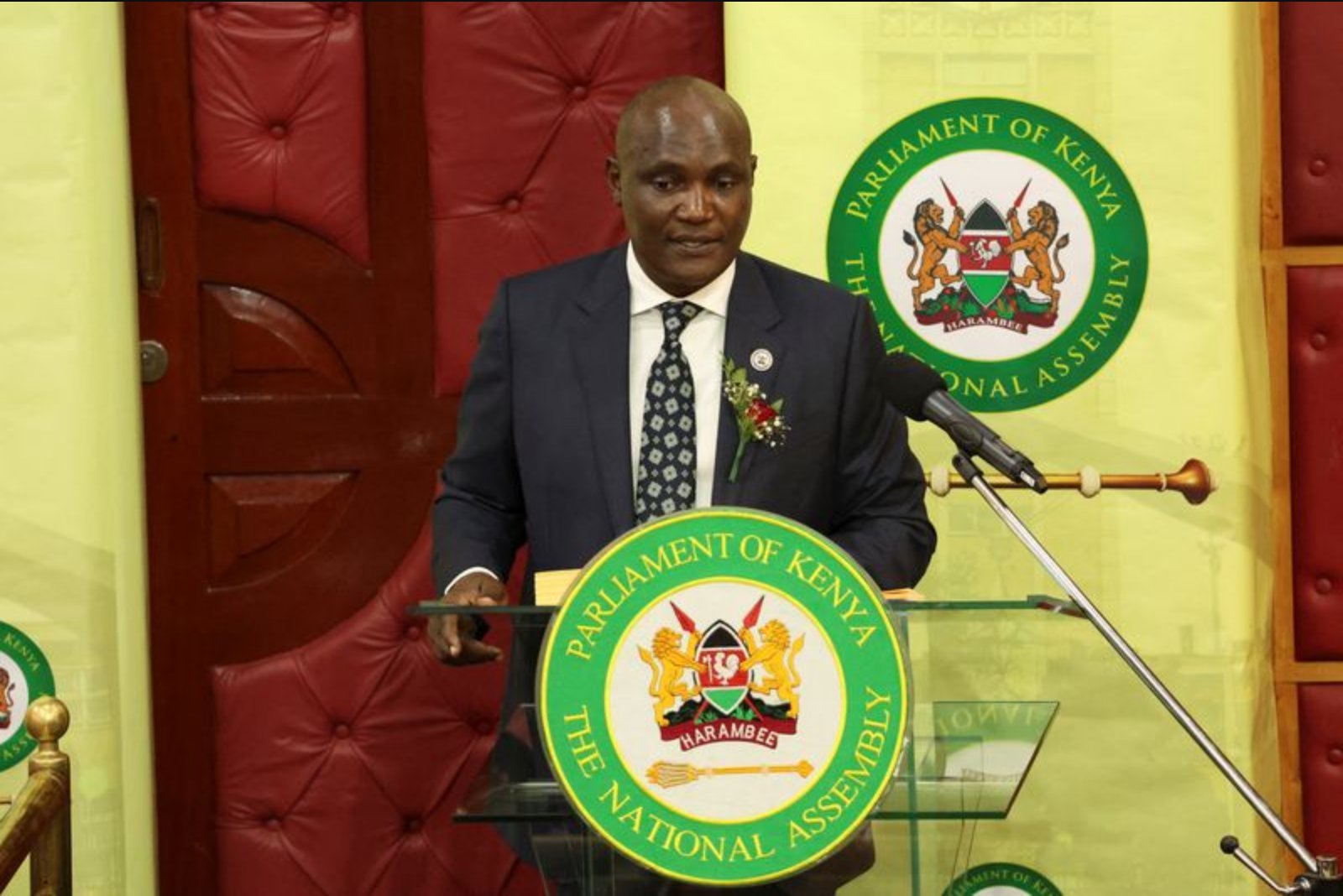
Kenya's Finance Minister John Mbadi had previously said on Wednesday that the government did not expect the staff visit to produce an agreement on a new programme. The IMF reiterated that the staff mission would not result in a discussion at the IMF Executive Board.

The IMF and Kenyan officials also reviewed economic risks, including possible spillovers from the conflict in the Middle East. The statement explicitly cited those spillover risks among the areas discussed during the mission.

Officials framed the visit as a preparatory and technical stage in the process following Kenya's formal request for financial assistance. The IMF characterized the engagement as focused on recent developments and on moving forward the technical elements that would be needed for any potential programme, without committing to a timetable or an immediate board-level consideration.

With talks scheduled to continue at the Spring Meetings of the IMF and World Bank, both sides have left open the prospect of further technical exchanges. The IMF's public statement made clear that the mission's purpose was to advance discussions rather than to finalize a lending arrangement at this stage.


Summary

The IMF completed a staff visit to Kenya to discuss recent economic developments and to advance technical talks after Kenya requested a new lending programme. The mission will not lead directly to an IMF Executive Board discussion, and discussions are set to continue at the IMF-World Bank Spring Meetings. Officials also examined risks such as potential spillovers from the Middle East conflict.

Risks

  • Potential spillovers from the Middle East conflict identified as a risk - this could affect external financing conditions and trade for Kenya, impacting the broader economy and market sentiment.
  • Insufficient fiscal discipline or credibility could hinder progress toward a lending programme and affect sovereign borrowing costs and investor confidence in the fiscal and banking sectors.
  • No immediate IMF Executive Board discussion means uncertainty on timing and terms of any new programme - this creates continued policy and market uncertainty for public finance and capital markets.

More from Economy

US Futures Slip as Middle East Conflict Rekindles Market Jitters Mar 5, 2026 Pakistan's Central Bank Poised to Maintain Rates as Oil Rally Clouds Inflation Path Mar 5, 2026 Rengo seeks near-6% average pay rise as unions press employers in 2026 talks Mar 5, 2026 German Bunds Lose Edge as Gold and Currencies Reclaim Safe-haven Status Mar 5, 2026 ECB Supervisor Sees Limited Direct Bank Losses from Iran War but Flags Wider Economic Risks Mar 5, 2026