
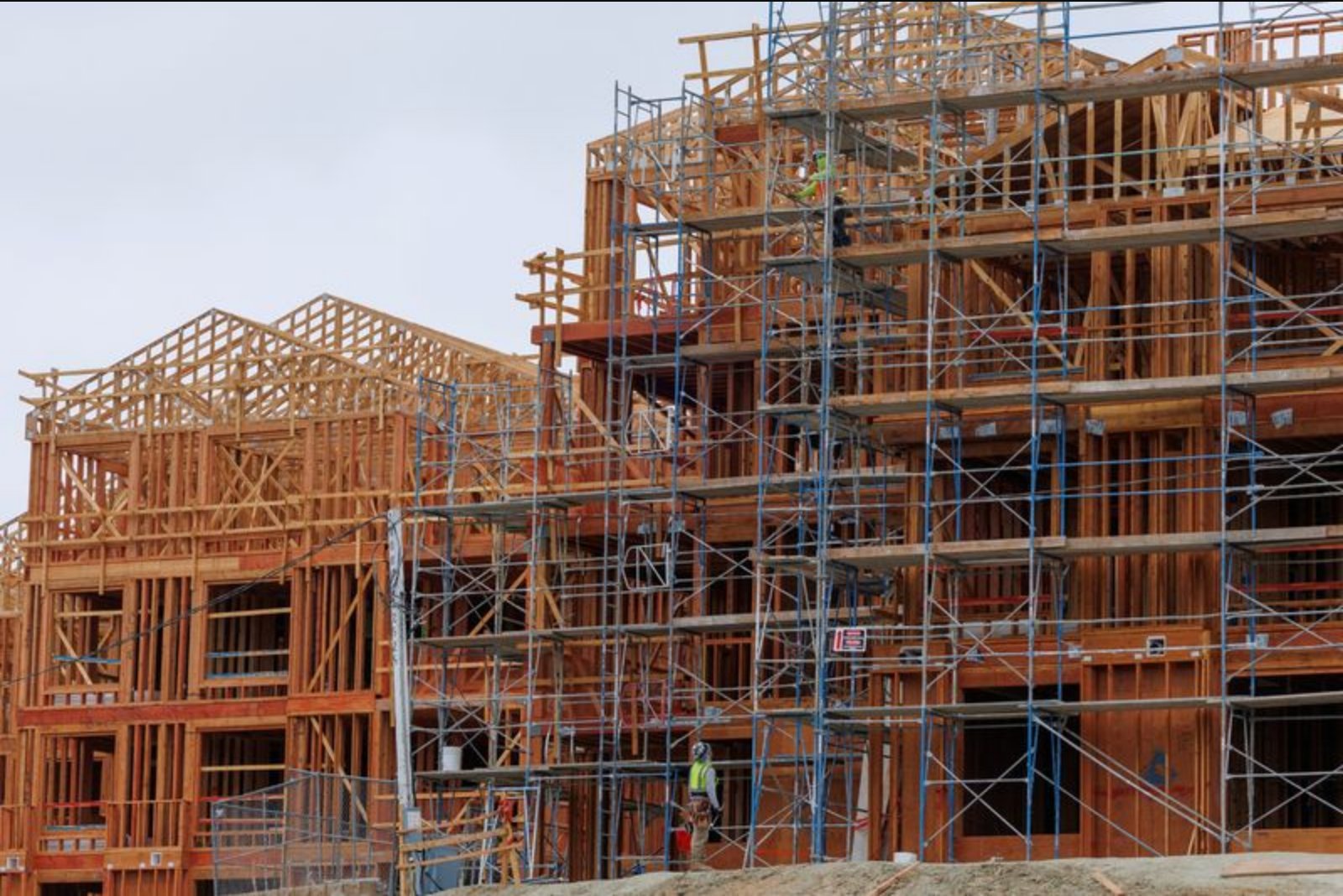
U.S. residential builder sentiment weakened in February as ongoing cost pressures and affordability constraints discouraged potential buyers, according to the latest industry survey released Tuesday. The National Association of Home Builders/Wells Fargo Housing Market Index declined by one point to 36, holding below the 50 break-even level for the 22nd month in a row.
Economists surveyed by Reuters had expected the index to rise to 38 this month, a forecast that the actual reading failed to meet. The NAHB attributed the slide in confidence to persistently elevated land and construction expenses and to house prices that remain high relative to incomes, a combination that has kept many prospective purchasers out of the market.
NAHB Chairman Buddy Hughes said the sector’s outlook has dimmed as builders trimmed expectations for future sales while buyers cited affordability problems. "Builders reduced their expectations for future sales as buyers report affordability challenges, which is contributing to declining consumer confidence for the overall economy," he said. "While the majority of builders continue to deploy buyer incentives, including price cuts, many prospective buyers remain on the sidelines."
The NAHB report noted several factors pressuring builders. President Donald Trump’s tariffs have pushed up costs for building materials and appliances. In addition, an immigration enforcement campaign - including raids at construction sites - has curtailed labor supply in the sector. At the same time, available building lots are limited, constraining the ability to increase new construction.
Soft demand has left a backlog of unsold new homes, adding to builders’ difficulties. The proportion of builders reporting they had cut prices decreased to 36% in February from 40% in January, marking a nine-month low for that measure, but the average reduction in price among those cutting remained at 6%.
Incentives remain widespread. The share of builders offering incentives held steady at 65%, the 11th straight month in which that share exceeded 60%.
Breakdowns of the NAHB index show current sales conditions holding at 41. The gauge for future sales slipped three points to 46, and the measure tracking prospective buyer traffic fell by two points to 22.
NAHB chief economist Robert Dietz emphasized the policy challenge the industry faces, saying: "The solution for the housing market is the enactment of policies that will bend the construction cost curve and enable additional supply of attainable housing." He added a note of potential relief on financing costs: "On the positive side, easing inflation should continue to allow lower interest rates for mortgages and builder loans."
Summary
Homebuilder sentiment cooled in February as high land and construction costs, elevated house prices relative to incomes, labor constraints and scarce lots limit buyer activity. The NAHB/Wells Fargo HMI fell to 36 and builders continue to use incentives, while measures of future sales and buyer traffic declined.
Key points
- NAHB/Wells Fargo HMI eased one point to 36 and has been below 50 for 22 consecutive months - a signal of persistent sector caution.
- Builders report cost pressures from higher material and appliance prices linked to tariffs and reduced labor supply tied to immigration enforcement, with limited available lots constraining supply.
- Incentives remain common: 65% of builders used incentives (11th straight month over 60%); 36% reported cutting prices, with an average reduction of 6%.
Risks and uncertainties
- Affordability squeeze - Elevated house prices relative to incomes are keeping potential buyers out of the market, reducing demand for new homes.
- Rising construction costs and labor shortages - Tariffs on materials and appliances and immigration enforcement actions have raised costs and curtailed labor supply, impeding builders' ability to expand output.
- Inventory overhang - Soft demand has produced a backlog of unsold new homes, pressuring builder pricing and margins.