
Economy February 24, 2026

Hochul Demands $13.5 Billion in Tariff Refunds After Court Invalidates Trump Measures

New York governor says tariffs raised costs for households and small businesses; other Democratic governors have made similar demands

By Maya Rios
Hochul Demands $13.5 Billion in Tariff Refunds After Court Invalidates Trump Measures

New York Governor Kathy Hochul has called for $13.5 billion in refunds after the Supreme Court struck down the tariffs imposed by President Trump last year. Hochul said the duties increased costs for the average New York household by $1,751 over the last year and damaged small firms and farmers. Her demand follows similar calls from the governors of Illinois and California. Estimates suggest a much larger pool of tariff collections could be subject to refunds, and Treasury Secretary Scott Bessent has said lower courts will handle the issue.

Key Points

  • Governor Kathy Hochul has called for $13.5 billion in tariff refunds after the Supreme Court invalidated the tariffs.
  • Hochul said the tariffs added about $1,751 in costs to the average New York household and harmed small businesses and farmers; similar refund demands were made by Illinois and California governors.
  • Estimates from the Penn Wharton Budget Model suggest more than $175 billion in U.S. tariff collections could be subject to refunds; Treasury Secretary Scott Bessent says lower courts will address the issue.

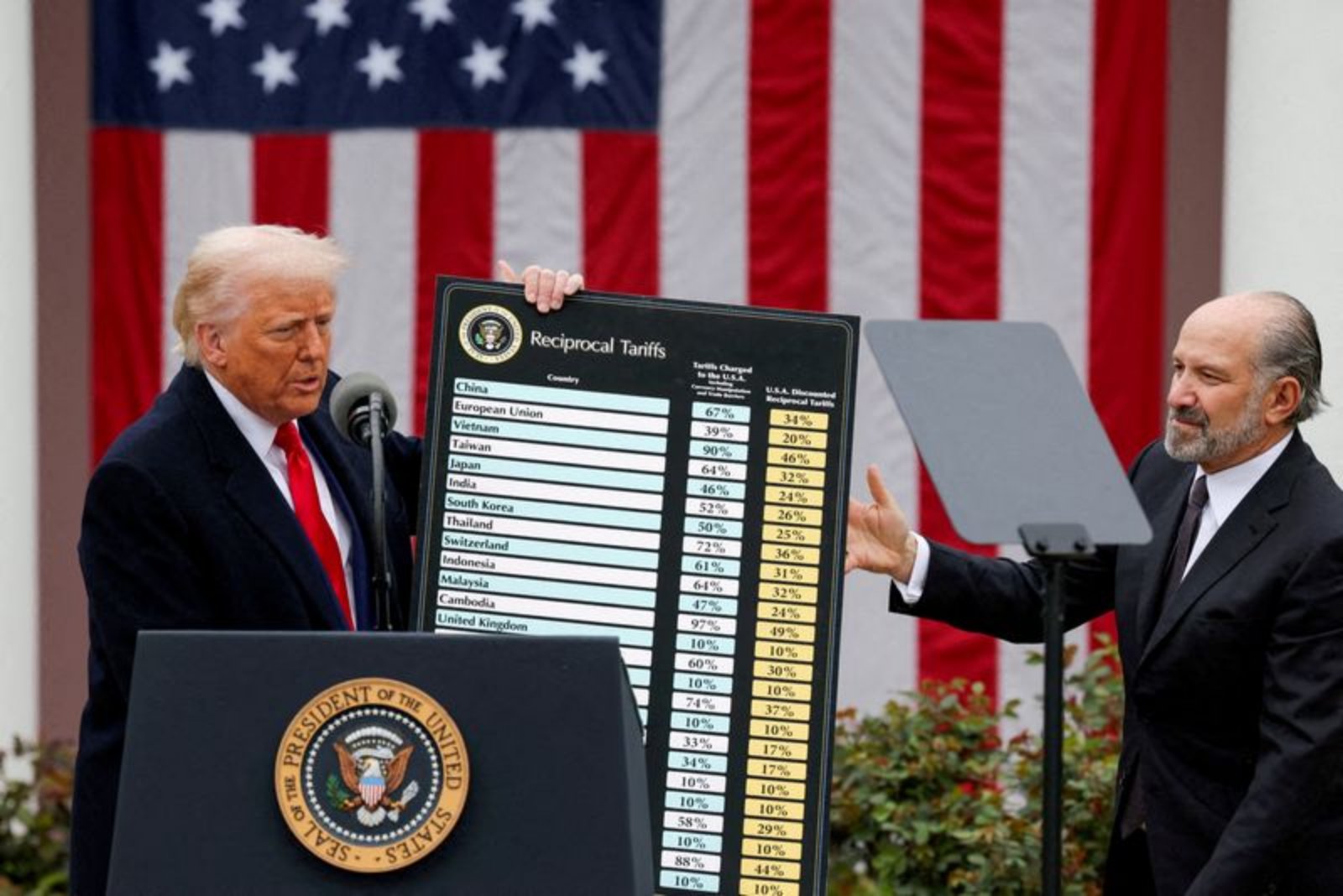
New York Governor Kathy Hochul on Tuesday urged the federal government to return $13.5 billion in duties collected under the tariffs that the U.S. Supreme Court recently invalidated. The action follows the court ruling that struck down the tariff program implemented last year by President Donald Trump after his return to the White House.

Those tariffs, which were applied at varying rates to imports from most countries, were publicly celebrated by the president as "Liberation Day." The policy prompted legal challenges from businesses and a number of U.S. states during the period it was in effect.

Hochul highlighted the cost burden the levies placed on households and small enterprises in New York, saying the average household in the state incurred an additional $1,751 in expenses over the past year because of the tariffs. She also said the measures harmed small businesses and farmers across the state.

"These senseless and illegal tariffs were just a tax on New York consumers, small businesses and farmers, and that’s why I’m demanding a full refund"

Hochul's call for repayment joins similar appeals from Illinois Governor JB Pritzker and California Governor Gavin Newsom, who last week asked the Republican president to issue refunds after the Supreme Court decision. All three governors are noted as Democratic figures viewed as potential contenders for the 2028 presidential election.

The White House pushed back on those requests. White House spokesman Kush Desai said in a statement that "President Trump used tariffs to actually deliver where Democrats could only talk, so naturally Democrats are resorting to gathering more meaningless popcorn headlines - pathetic but unsurprising."

Estimates from the Penn Wharton Budget Model put more than $175 billion of U.S. tariff collections at risk of being refunded. On the procedural side, Treasury Secretary Scott Bessent has indicated that the matter of refunds will be resolved through the lower courts.


The demand for $13.5 billion in refunds and the broader legal and political fallout underscore an unresolved process: how and when any refunds would be administered, and which collections ultimately qualify. For now, state leaders are using the Supreme Court ruling to press for repayments while federal officials point to pending judicial proceedings to determine the outcome.

Risks

  • Legal uncertainty over the mechanics and timing of refunds, since Treasury Secretary Scott Bessent says the lower courts will determine the issue - this affects consumers and businesses awaiting repayment.
  • Political friction between state leaders and the White House could slow coordination on any refund process, with potential impacts for affected retailers, small businesses and agricultural suppliers.
  • The scale of potential refunds is uncertain; while New York seeks $13.5 billion, model estimates indicate a much larger pool of collections might be eligible, creating uncertainty for government budgets and affected sectors.

More from Economy

Japan's Services Producer Prices Hold at 2.6% in January, Point to Wage-Led Inflation Feb 24, 2026 Two Fed Officials See No Immediate Case for Policy Change as Inflation Remains Above Target Feb 24, 2026 Appeals Court Pushes Back as Administration Seeks to Remove CFPB Workforce Feb 24, 2026 Trading Day: AI calm and tariff shuffle lift markets Feb 24, 2026 Workday Predicts 2027 Subscription Revenue Below Estimates, Citing Slower New Client Growth Feb 24, 2026