
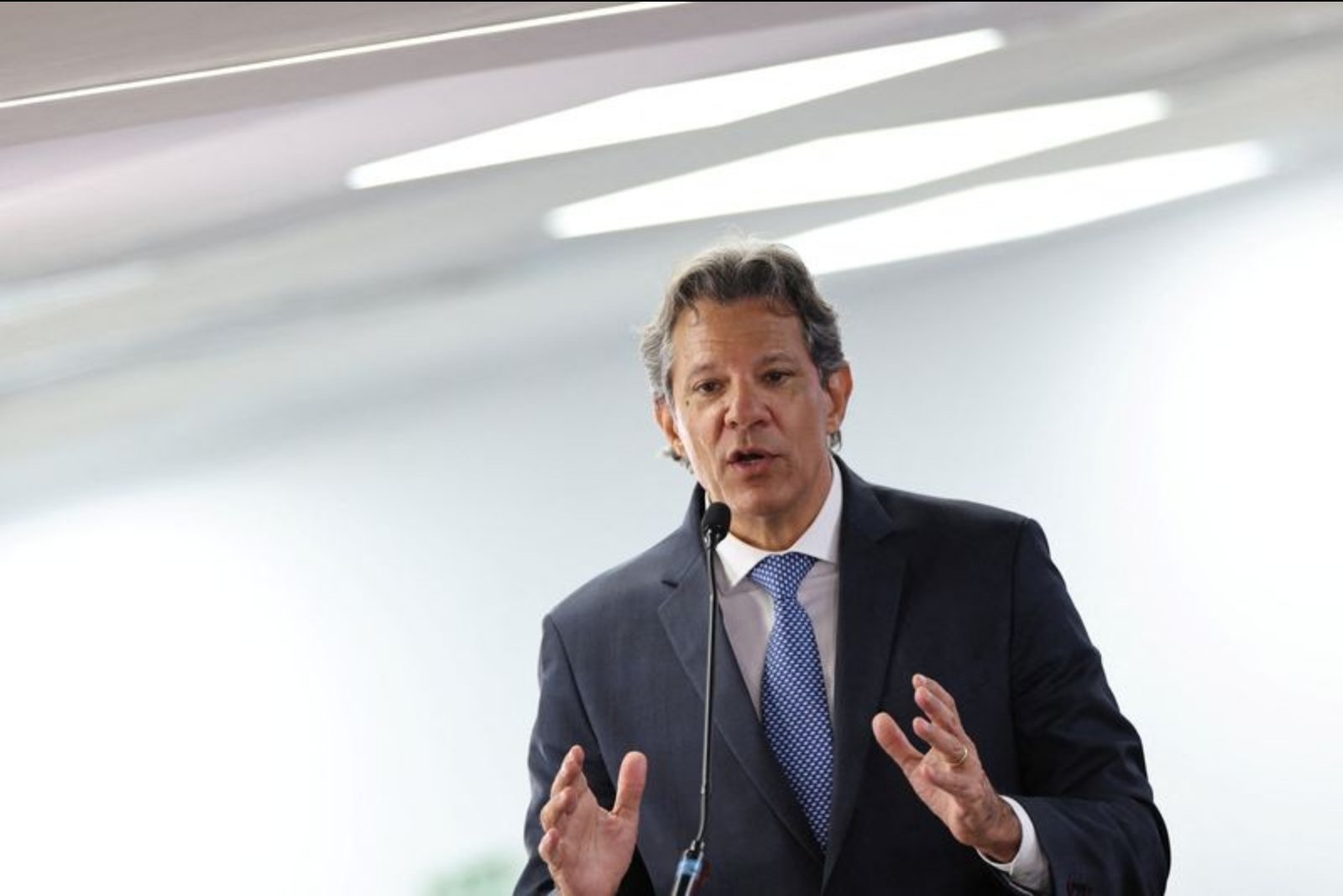
Brazil's finance chief, Fernando Haddad, said on Tuesday the country should examine a redesigned architecture for social-assistance spending that echoes the earlier consolidation of multiple welfare programs into a single cash-transfer umbrella.
"What is being discussed is this: with this level of investment in social assistance, wouldn’t it make sense to do what President Lula did in 2003? There were many programs, and Bolsa Familia emerged as the overarching umbrella," Haddad said while speaking at an event hosted by BTG Pactual.
Responding to a question about measures to tighten control over public finances, the minister framed the proposal as a topic for discussion rather than a formal policy submission. He stressed that no concrete plan along these lines has been presented to President Luiz Inacio Lula da Silva.
Haddad has earlier indicated he expected to leave the Finance Ministry by the end of the month as he and the president discussed whether he would help draft a re-election platform or pursue his own candidacy in October’s general elections. On Tuesday he said he had met with the president on Monday and was asked to take on additional tasks before his departure. Among these, he mentioned handling "important matters" with the Justice Ministry in the area of public security.
The minister’s comments come against a backdrop in which many within the president’s leftist Workers Party see the governorship contest in Sao Paulo - Brazil’s wealthiest and most populous state - as an important stage for the president’s bid for a fourth non-consecutive term, with Haddad viewed as a potential contender.
On monetary policy, Haddad said he could not see a justification for further increases in Brazil’s real interest rate given recent trends. He noted inflation is easing while the benchmark nominal rate remains steady at 15%.
"With a real interest rate at this level, you cannot offset it with any amount of primary surplus," Haddad said. The country’s central bank has already signalled it is likely to begin an easing cycle at its next monetary policy meeting in March.