
A senior Gulf official says some of the region's major economies are re-examining how they will deploy sovereign wealth funds and other financial commitments to help offset losses tied to the U.S.-Israeli war with Iran.
The official, who requested anonymity because of the sensitivity of the matter, said: "Three of the big four economies in the GCC (Gulf Cooperation Council) are all assessing future and current investments and sponsorships if this lasts long." The official added that "a review of their sovereign wealth fund investment strategies has already started."
According to the official, these reviews are considering a range of measures, including possible reversals of investment pledges, divestments and a re-evaluation of global sponsorship deals as authorities measure how to absorb the financial shock of the conflict.
Talks on the matter have been held between high-level government representatives rather than between the sovereign funds themselves, the official said, and noted that the assessments are not part of a coordinated regional program.
Saudi Arabia, the United Arab Emirates, Qatar and Kuwait are identified as the top economies in the GCC. Officials in the region have issued varying responses.
The UAE Ministry of Foreign Affairs said in a statement that "The UAE has adopted forward-looking economic strategies that enhance its capacity to absorb any geopolitical and economic pressures" and that there is no change to investment plans or long-term economic priorities.
A Saudi source described the kingdom's Public Investment Fund as central to its economic transformation agenda and said the fund is not expected to change long-term investment plans because of the current geopolitical landscape. Saudi Arabia's finance ministry was not immediately available for comment.
Qatar's Finance Ministry did not respond to requests for comment. Attempts to reach Kuwait's Ministry of Economic Affairs and Investment were unsuccessful.
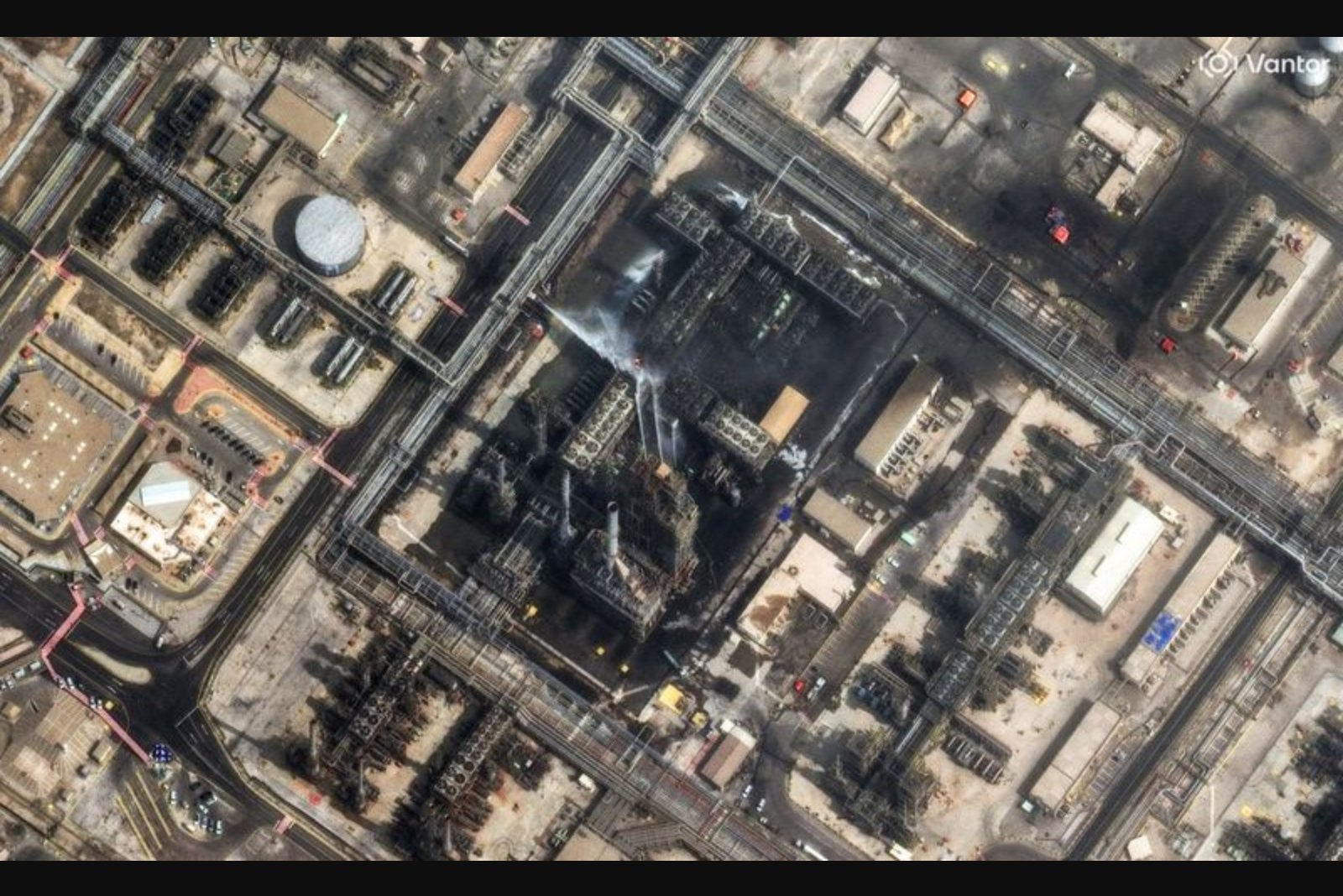
The official highlighted the speed and severity of the economic impact, saying that in just 12 days the conflict had delivered a severe economic blow to the Gulf's largest economies, crippling aviation, tourism, ports and logistics networks and severing key commercial arteries.
"Once the war is over, we will see the balance sheet and then figure out how to cover the losses," the official said.
Market analysts have already begun to adjust projections. JPMorgan analysts last week lowered their growth forecasts for non-oil sectors across the GCC by 1.2 percentage points on average, and cut their forecast for the United Arab Emirates non-oil growth by 2.3 percentage points, the largest reduction among the bloc.
Those analysts cautioned that while the hydrocarbon sector might rebound later in the year depending on the duration of the conflict, some damage to non-hydrocarbon activity could be lasting and could affect diversification plans.
Commentators have also flagged the potential fiscal consequences for the region's sovereign funds. Analysts say the shock to government revenues and non-oil sectors may prompt a reassessment of how roughly $5 trillion in regional sovereign wealth is deployed, as policymakers balance the need to support economic activity with preserving long-term investment strategies.
Context and next steps
At this stage, the reviews described by the anonymous official are underway at the government level and appear uncoordinated across countries. The specific measures any sovereign fund might take - whether pausing new commitments, scaling back sponsorship deals, or selling assets - were not detailed by the official.
Authorities in the region will likely wait until immediate conflict-related disruptions subside and balance sheets are clearer before making definitive fiscal adjustments, the official indicated.