
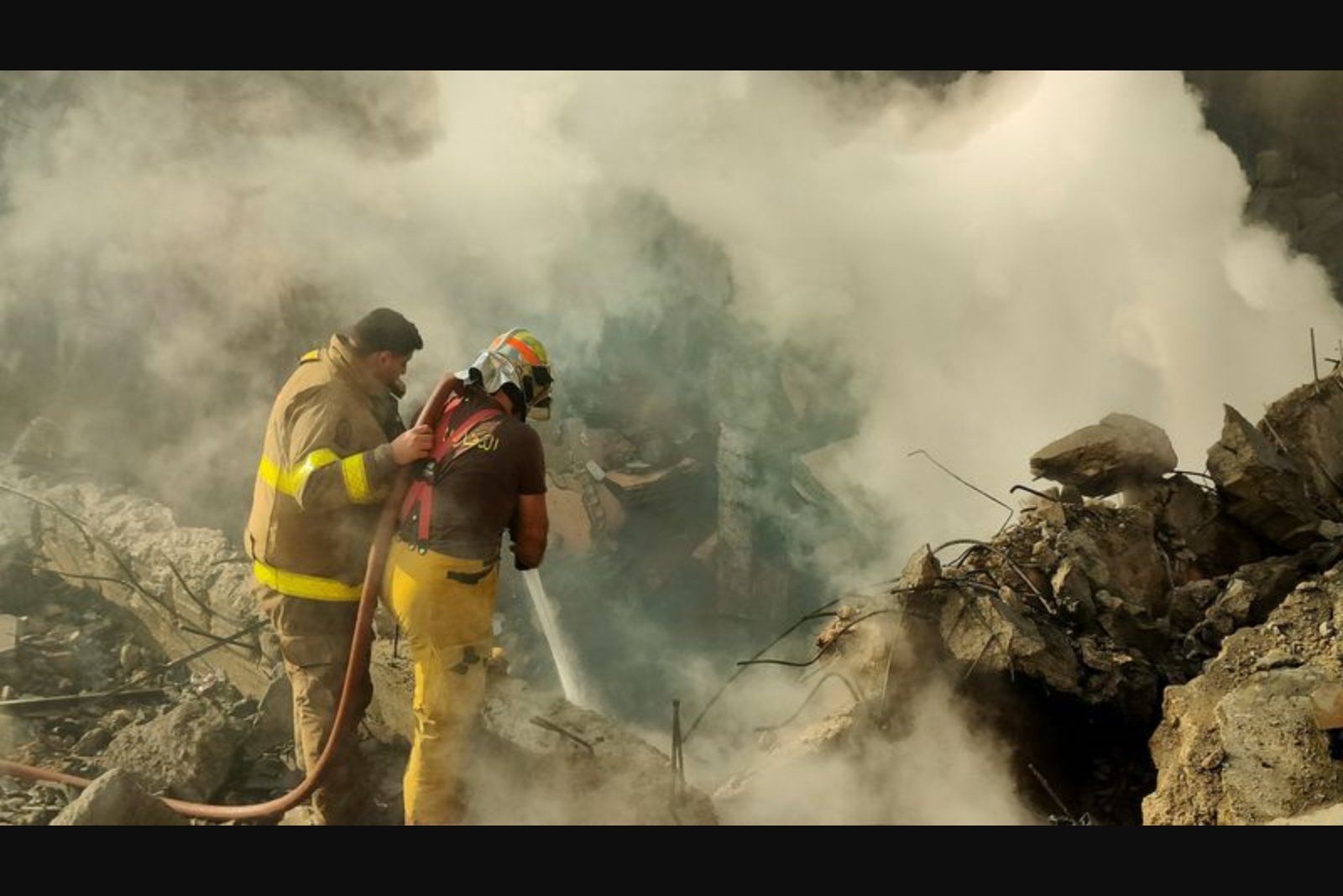
Tehran has intensified its campaign against commercial shipping in Gulf waters, renewing concerns about oil supply and triggering a chain reaction across financial markets.
Reports indicate Iran employed explosive-laden boats in attacks that set two fuel tankers ablaze in Iraqi waters. The assaults forced Iraqi oil ports to suspend operations. In response to the heightened threat environment, Oman cleared all vessels from its main oil export terminal. Those developments contributed to a sharp upward move in crude prices.
Brent crude futures returned above $100, trading at $100.07 after rising nearly 9% on the session. Earlier in the week Brent had reached as high as $119.5. U.S. crude also climbed, gaining 8% to $94.25.
Those market moves followed an announcement of a record release plan from the International Energy Agency totaling 400 million barrels. Market participants noted that figure represents roughly 20 days of the supply that has been lost, underlining investor anxiety about a potentially extended disruption to supply rather than the size of the release alone.
U.S. President Donald Trump commented on the situation, saying the United States was "going to look very strongly at the straits." The remark came as traders and policy watchers reassessed the security of key shipping lanes.
Risk sentiment deteriorated rapidly across equity markets. MSCI’s broadest index of Asia-Pacific shares outside Japan fell 1.6%, ending a two-day run of gains. Japan’s Nikkei slid 1.7%. In U.S. derivatives trading, both S&P 500 futures and Nasdaq futures were down about 1%. European futures were similarly lower, with EUROSTOXX 50 futures slipping 1.1%.
Market participants pointed to inflationary pressure from the disruption, a dynamic that has quickly flowed into bond markets and borrowing costs. Traders now expect none of the five central banks meeting next week - those in the United States, Europe, Britain, Australia and Canada - will move to ease policy. Market pricing even shows Australia as the only one where a hike is being bet on.
Short-term U.S. Treasury yields moved higher, with the two-year Treasury hitting its strongest level since August. The 10-year Treasury remained under pressure after a weak auction, and attention is focused on the 30-year bond auction scheduled later in the day as investors decide whether to lock in longer-term yields amid rising inflation expectations.
Key developments that could influence markets on Thursday include:
- 30-year U.S. Treasury bond auction
- U.S. trade data for January and initial jobless claims
- Remarks from Federal Reserve Vice Chair for Supervision Michelle Bowman
Separately, investment product information in the earlier market commentary highlighted performance figures for AI-driven stock portfolios, noting year-to-date outcomes and the performance of a flagship strategy. Those details reflected recent promotional material about portfolio returns and individual stock gains.
For markets, the immediate picture is one of rising commodity risk spilling into equities and fixed income. Energy and shipping sectors are directly affected by the attacks and port closures. At the same time, bond markets have repriced the outlook for central bank action, lifting borrowing costs and complicating the outlook for growth-sensitive assets.
With inflationary pressures mounting, the choices facing investors and policymakers hinge on whether the supply disruptions prove short-lived or persist, prolonging the squeeze on oil and broader prices.