
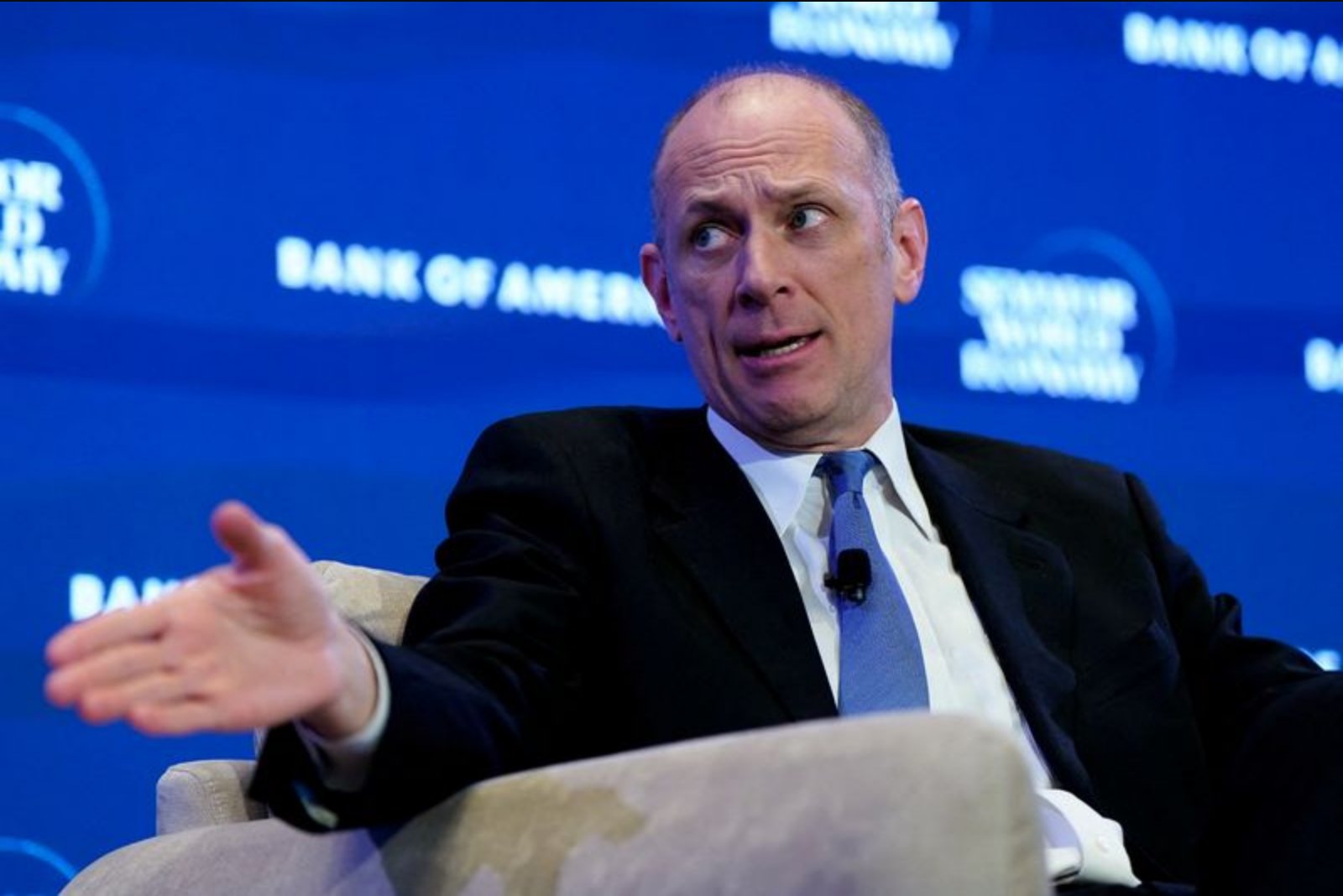
In a series of prepared remarks delivered Thursday at a conference hosted by the Bank of Japan, Chicago Federal Reserve President Austan Goolsbee highlighted a complex relationship between technological optimism and monetary policy. He cautioned that the mounting hype surrounding the productivity-enhancing capabilities of artificial intelligence could serve as an inflationary impulse, potentially forcing central banks to tighten monetary policy.
Key Economic Drivers and Market Implications
- Anticipatory Spending Cycles: Goolsbee noted a critical distinction between realized productivity gains and expected ones. He argued that if the market expects significant productivity boosts from AI, it could lead to an anticipatory spending spree. This surge in demand, occurring ahead of actual economic efficiency improvements, threatens to drive prices higher.
- Global Transmission of Technology: The potential for inflation is not limited to the United States. Goolsbee suggested that as expected productivity gains associated with new technology spread across international borders, the resulting inflationary pressures and subsequent rate adjustments could affect other countries as well.
- Monetary Policy Response: As the hype regarding future productivity grows, the necessity for higher interest rates may increase to counteract the risk of an overheating economy.
These dynamics suggest that sectors heavily tied to capital allocation and speculative growth, such as technology and highly leveraged industries, could face significant volatility depending on how central banks respond to these inflationary signals.
Risks and Economic Uncertainties
- Energy Supply Shocks: A significant complicating factor mentioned by Goolsbee is the potential for near-term supply shocks. He specifically pointed to recent rises in oil prices stemming from the Iran war as a factor that could feed into broader inflation.
- Compounding Inflationary Pressures: While supply shocks are typically associated with limited economic growth, which usually curbs inflation, Goolsbee warned that they can actually exacerbate the inflationary impact of anticipated productivity gains. The confluence of an energy shock and AI-driven spending expectations makes the inflationary problem more extreme.
- Supply Chain Disruptions: Beyond energy, other disruptions to the supply chain are identified as potential shocks that could worsen the economic outlook by intensifying existing inflationary impulses.
The interaction between volatile energy markets and technological speculation introduces a layer of uncertainty for manufacturing, transportation, and consumer-facing sectors, all of which may be impacted by both rising input costs and shifting interest rate environments.