
Economy March 20, 2026

Goldman Sachs Delays Anticipated BoE Rate Cuts Until 2027 as Energy Risks Rise

Brokerage now projects a slower descent to a 3% terminal rate after Bank of England holds at 3.75% and warns of higher near-term inflation

By Maya Rios
Goldman Sachs Delays Anticipated BoE Rate Cuts Until 2027 as Energy Risks Rise

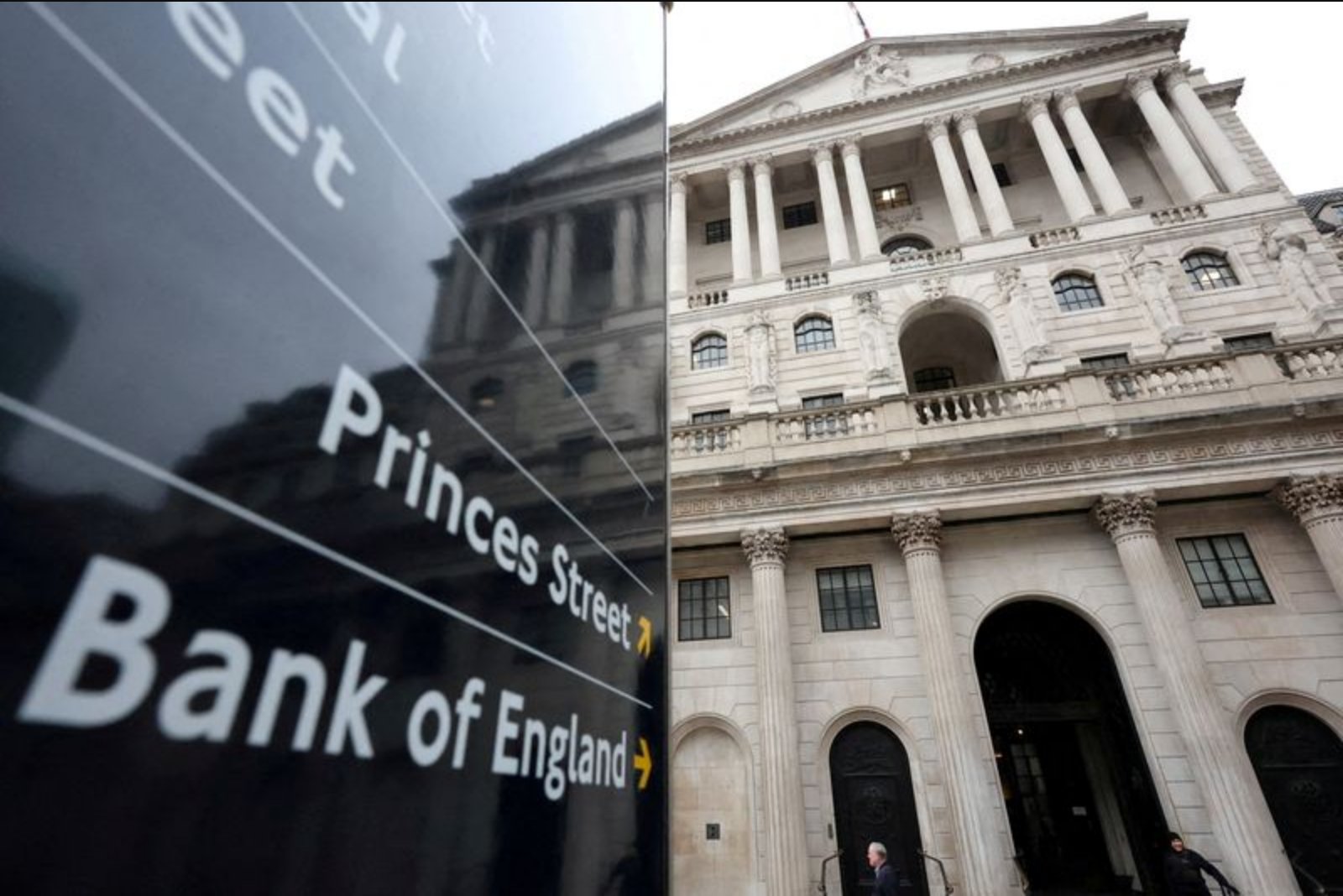
Goldman Sachs has revised its timeline for Bank of England rate reductions, pushing expected cuts out to 2027. The move follows the BoE's decision to keep the Bank Rate at 3.75% and its warning that inflation could rise to about 3.5% over the next two quarters amid heightened energy-price risks tied to the conflict in the Middle East and strained shipping routes.

Key Points

  • Goldman Sachs now expects the Bank of England to begin cutting rates in 2027, later than its prior July timeline.
  • The brokerage foresees a slower path of reductions aimed at a 3% terminal rate, rather than quarterly cuts starting this summer.
  • Energy-driven inflation risks from the Middle East and disruptions to the Strait of Hormuz have pushed major firms to delay expectations for policy easing - affecting energy, fixed income, and broader financial markets.

Goldman Sachs has moved back its forecast for when the Bank of England will begin cutting interest rates, now expecting policy easing to start in 2027. The change in outlook was published in a note on Thursday, after the BoE chose to maintain the Bank Rate at 3.75% and signalled a heightened risk that inflation could increase over the near term.

Previously, Goldman anticipated a quarterly series of rate reductions beginning in July. The firm now projects a more gradual pace of cuts beginning next year, with policy gradually easing toward a 3% terminal rate, according to its note.

At its most recent meeting, the Bank of England held rates steady and said inflation could climb to roughly 3.5% across the next two quarters. The central bank stressed that it remains watchful of the possibility that higher inflation expectations could become entrenched in the economy.

Goldman Sachs also highlighted the non-trivial possibility of a near-term rate increase - potentially as soon as the April policy meeting - if global energy prices continue to move higher. That assessment mirrors broader concern about commodity-driven inflation pressures.

The war in the Middle East and what the note described as the effective closure of the Strait of Hormuz have been linked to a notable rise in oil prices. That uptick in energy costs has intensified inflationary risks across Europe, prompting other major brokerages to revise their outlooks. The note cites that institutions including J.P. Morgan and Morgan Stanley have delayed their expectations for policy easing in response to these developments.

The updated Goldman view reduces the near-term probability of an imminent rate-cut cycle in the UK and shifts the timing materially later than the firm had forecast previously. The Bank of England's guidance on potential upside inflation and the recent energy-price dynamics are central to that reassessment.


Contextual note: The projections and policy signals referenced here are drawn from Goldman Sachs's published note and the Bank of England's statement following its rate decision to hold the Bank Rate at 3.75%.

Risks

  • A near-term BoE rate increase remains a possibility - potentially at the April meeting - if global energy prices continue to rise, posing risk to borrowing costs and fixed-income markets.
  • Rising inflation to around 3.5% over the next two quarters could embed higher inflation expectations in the economy, creating uncertainty for monetary policy and real-income dynamics.
  • Supply disruptions linked to the Middle East conflict and restricted passage through the Strait of Hormuz may sustain elevated oil prices, increasing inflationary pressure across Europe and impacting energy-sensitive sectors.

More from Economy

Energy-Driven Hawkish Shift in Rates Ends Dollar Rally and Sends Yields Higher Mar 20, 2026 Iran conflict raises risk of 'bad inflation' for China as input costs bite manufacturers Mar 20, 2026 Energy-driven shock pushes dollar off recent highs as other currencies advance Mar 19, 2026 Markets Reprice for Tightening as Middle East Conflict Keeps Energy Premiums Elevated Mar 19, 2026 China Holds Loan Prime Rate for Tenth Consecutive Month as Officials Weigh Support Measures Mar 19, 2026