
Goldman Sachs analysts estimate that a recent surge in oil prices associated with the Iran conflict could cut global economic output by about 0.3% over the coming year while exerting upward pressure on consumer prices.
According to the bank's updated outlook, higher energy costs would raise global headline inflation by approximately 0.5 to 0.6 percentage points. Core inflation, which strips out volatile energy prices, is expected to receive a smaller boost of roughly 0.1 to 0.2 percentage points. Those estimates reflect revisions to Goldman Sachs' oil and gas forecasts after supply disruptions tied to the conflict and interruptions to shipping through the Strait of Hormuz.
Goldman characterizes the current economic shock as largely concentrated in energy markets rather than spread across many supply chains. That distinction reduces the prospect of broad-based shortages like those that accompanied the pandemic-era inflation spike of 2021-2022, the bank said. In the present episode, the inflationary effects are projected to be mostly confined to energy-related sectors.
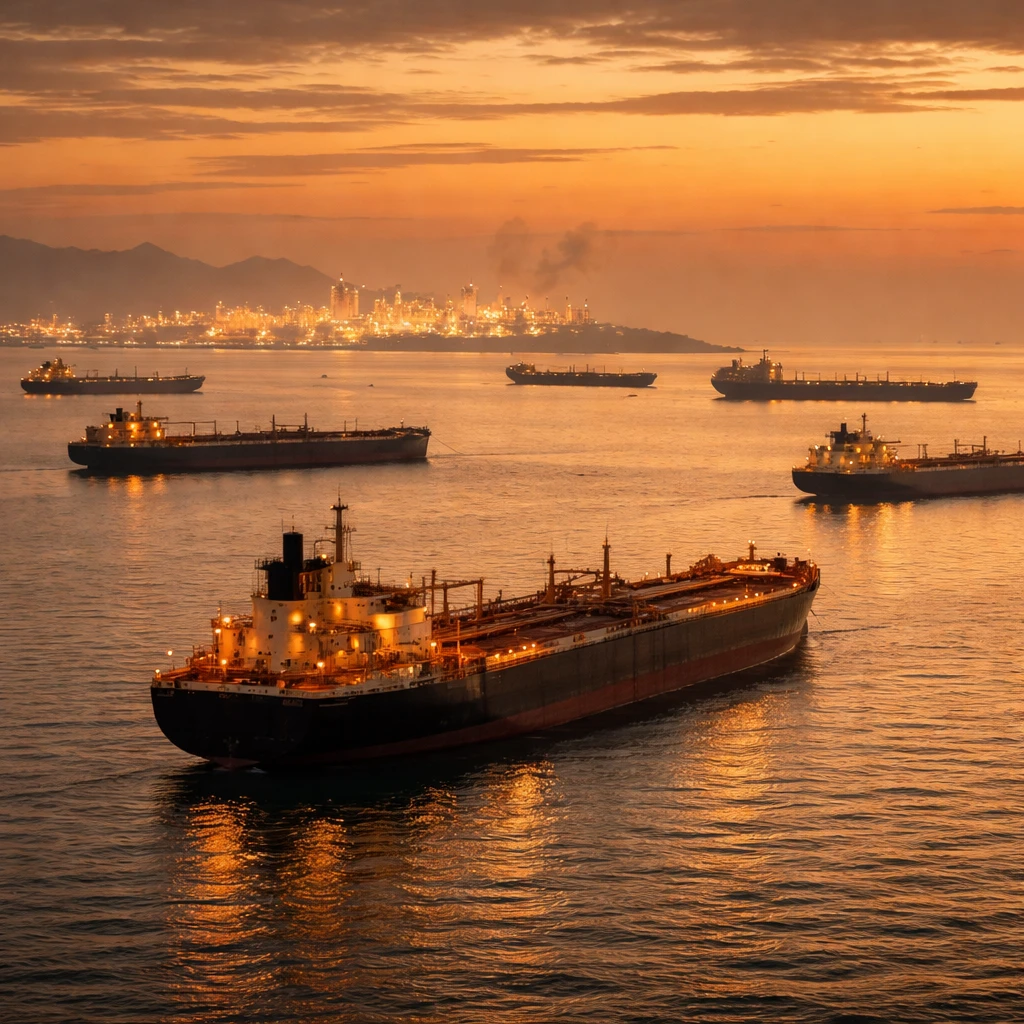
Energy prices have risen sharply as tanker movements through the Strait of Hormuz - a major artery for global crude shipments - have been disrupted during the conflict. The resulting jump in oil and gas prices is expected to weigh on economic activity worldwide while increasing consumer price pressures.
Goldman also points to limited trade exposure for most large economies to non-energy goods originating in the Middle East. Non-energy exports from Gulf countries represent about 1% of global trade, the bank notes, implying that broader supply chain disruptions beyond energy are likely to remain restrained.
Nonetheless, Goldman warns that the situation could deteriorate if the conflict intensifies or if the Strait of Hormuz stays closed for a prolonged period. Should supply interruptions become extended, oil prices could rise further, deepening the drag on global growth and keeping inflation higher for longer.
Summary
A Goldman Sachs analysis finds that an oil price spike tied to the Iran conflict and disruptions in the Strait of Hormuz could trim global GDP by around 0.3% and add roughly 0.5-0.6 percentage points to headline inflation, with a smaller 0.1-0.2 percentage point uplift to core inflation. The bank views the shock as concentrated in energy markets, though it warns of larger risks if disruptions persist or worsen.