
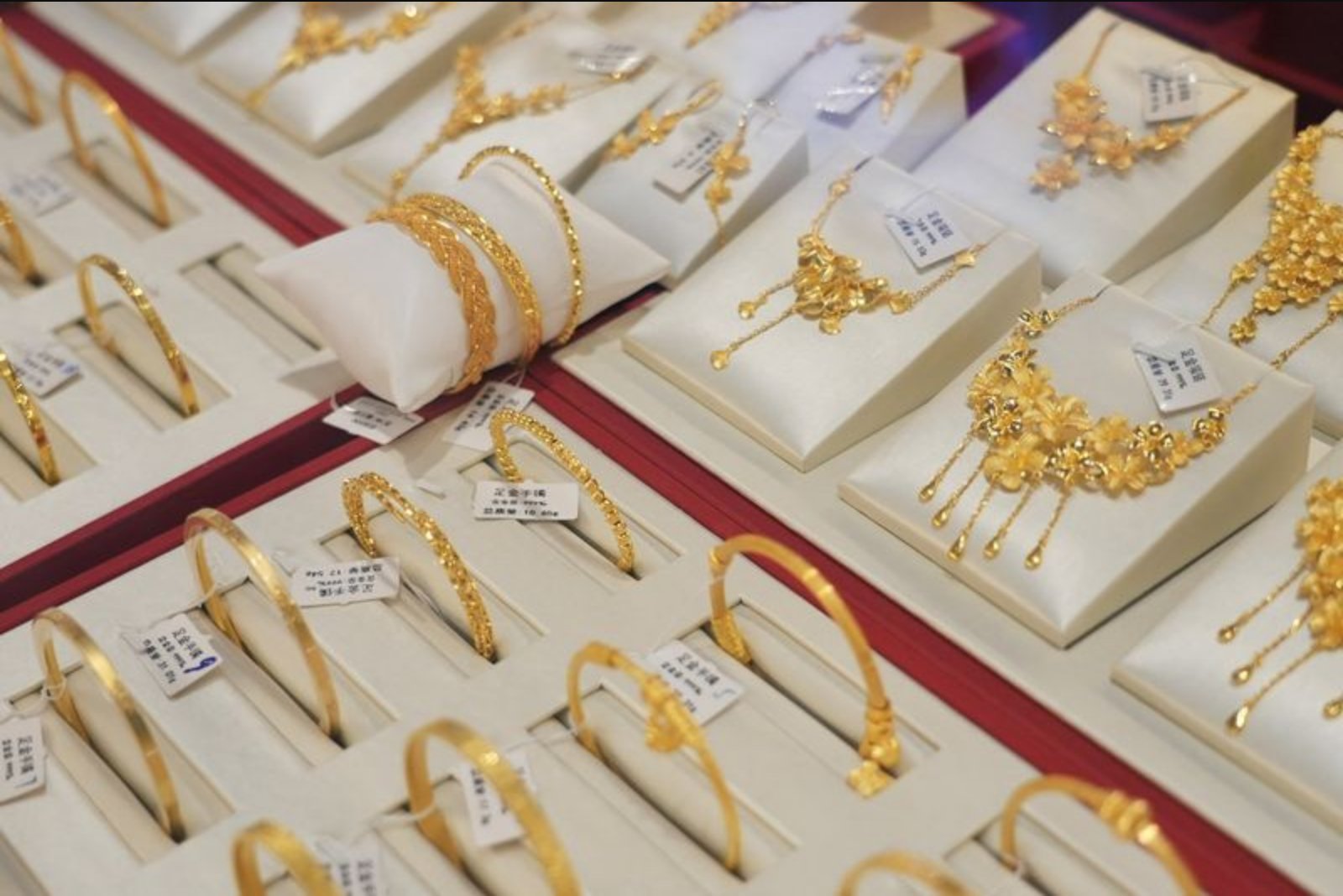
Gold steadied on Thursday, trimming losses after an earlier fall approaching 1%, as traders balanced dip-buying against headwinds from a stronger U.S. dollar and diminishing hopes for imminent interest-rate cuts driven by higher oil costs.
Spot gold was down 0.1% at $5,172.86 per ounce as of 0221 GMT, while U.S. gold futures for April delivery were unchanged at $5,178.
Market participants cited persistent geopolitical tensions in the Middle East and associated disruptions to shipping lanes as factors supporting demand for bullion on weakness. "Given a lack of a short-term exit for the Middle East conflict right now, plus a de facto closure of the Strait of Hormuz, I think any gold dips will likely be bid (buying opportunity), since the market lacks a clear reason to sell the metal," said Nicholas Frappell, global head of institutional markets at ABC Refinery.
The U.S. dollar firmed about 0.1%, which increases the cost of dollar-priced bullion for investors using other currencies and can act as a headwind to gold prices.
Energy market developments weighed on inflation expectations. Iran said the world should brace for $200-a-barrel oil after its forces struck merchant ships on Wednesday, while the International Energy Agency urged a massive release of strategic reserves to blunt one of the worst oil shocks since the 1970s. Oil prices jumped in early trade as supplies from the Gulf remained constrained amid the U.S.-Israeli war on Iran.
Sources reported that Iran has deployed about a dozen mines in the Strait of Hormuz, a move that could complicate efforts to reopen the narrow waterway used for global oil and liquefied natural gas shipments. Tankers in the strait have been stranded for more than a week, and some producers have suspended output as storage approaches capacity.
On the economic data front, U.S. consumer prices rose in February, with the Consumer Price Index increasing 0.3% for the month, matching forecasts and accelerating from January’s 0.2% gain. Over the 12 months to February, CPI rose 2.4%, also in line with expectations. Investors are awaiting the release of the delayed Personal Consumption Expenditures index for January on Friday.
Other precious metals showed mixed moves: spot silver fell 0.3% to $85.49 per ounce, spot platinum rose 0.1% to $2,171.19, and palladium gained 0.8% to $1,650.52.
As markets process the interplay between energy-driven inflation risk and safe-haven demand, bullion traders will be monitoring both geopolitical developments in the Gulf and upcoming U.S. inflation metrics for signals on interest-rate trajectories.