
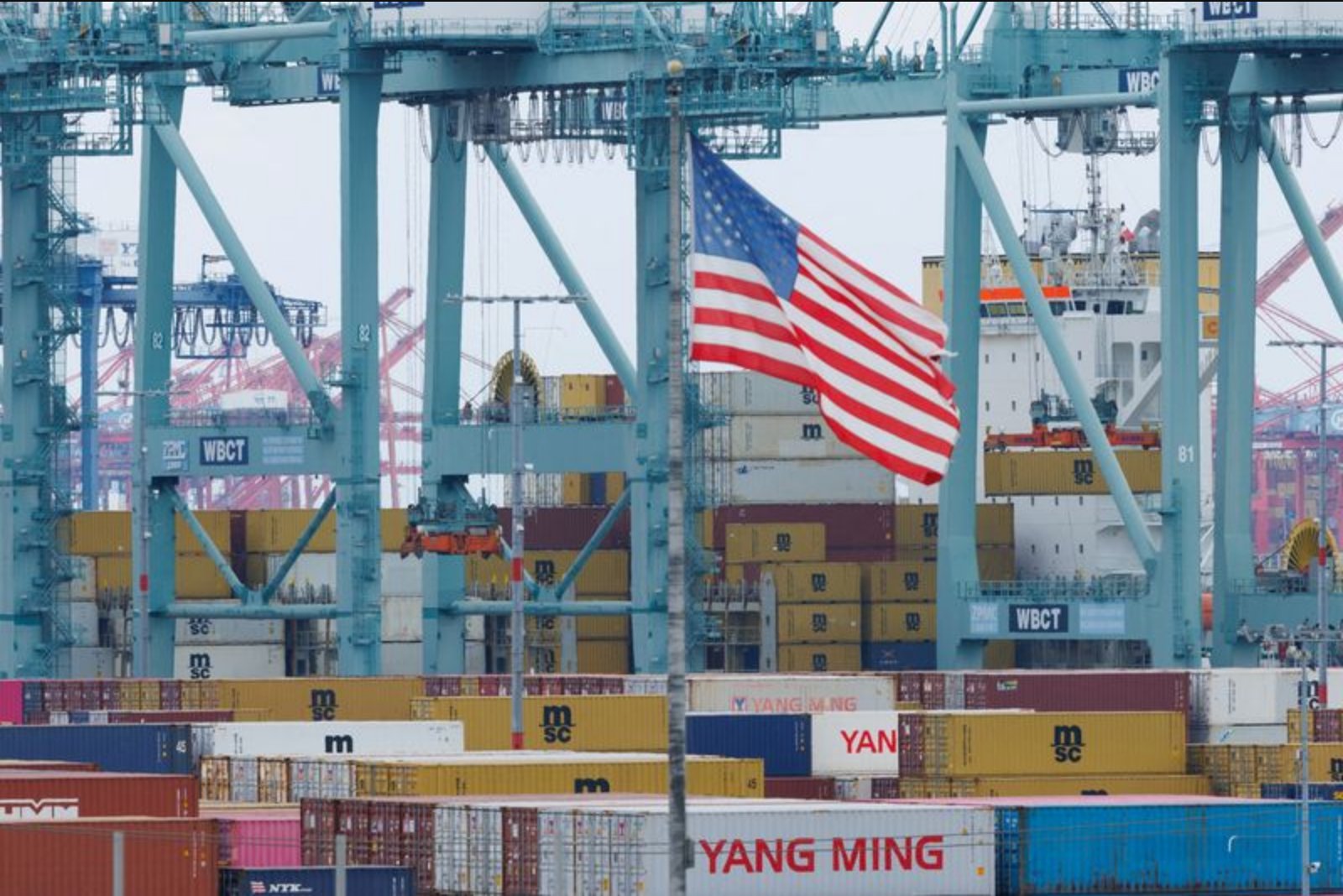
The U.S. Supreme Court has nullified the national emergency legal basis that underpinned President Trump’s reciprocal tariffs. Shortly after that annulment the administration announced a temporary 15% global tariff, establishing a uniform baseline for imports into the United States.
For many trading partners the move represents a material change in tariff exposure. China and Brazil are cited as examples where the new 15% baseline is substantially lower than the higher U.S. tariff rates those countries had been facing under the reciprocal tariff regime. At the same time, a number of countries that negotiated bilateral deals to avoid those reciprocal tariffs now face a period of uncertainty about whether their exemptions will persist.
Among the trading partners with bilateral arrangements are Britain, the European Union and Japan. Officials in both the EU and Britain have signalled that they wish to retain the bilateral deals negotiated with Washington. Nevertheless, observers have pointed out that the Supreme Court’s annulment of the underlying legal authority raises questions about the ongoing legal and practical status of those agreements.
The abrupt legal change and the imposition of a uniform 15% tariff have been described as throwing world trade into renewed confusion. Debates prompted by the ruling and the new tariff center on which countries emerge relatively better or worse off under the 15% baseline compared with the higher reciprocal rates previously applied, and on whether negotiated bilateral arrangements will survive the altered legal landscape.
A chart accompanying the original reporting lays out potential winners and losers from the 15% global tariff by comparing the new baseline with the tariff levels trading partners faced before the court decision. That comparison highlights the divergence in impacts across countries depending on the tariff treatment they had been subject to prior to the ruling.
For trade-exposed industries and supply chains the situation represents a fresh source of uncertainty. Companies and governments that had relied on bilateral exemptions or on the prior tariff framework now confront an unclear horizon as to long-term tariff treatment. How that uncertainty resolves will determine near-term planning for cross-border production, sourcing and inventory management.
Key Points
- The Supreme Court annulled the national emergency legal basis for reciprocal tariffs, removing the prior authority for those measures.
- The U.S. administration has imposed a temporary 15% global tariff as a new baseline for imports.
- Some countries, including China and Brazil, face a substantially lower baseline tariff than under the previous reciprocal rates, while countries that negotiated bilateral deals - such as Britain, the EU and Japan - now face uncertainty about the durability of those arrangements.
Risks and Uncertainties
- Whether bilateral deals negotiated to avoid reciprocal tariffs will remain in effect is unclear - this uncertainty affects exporters and import-dependent manufacturers.
- The annulment of the legal basis for reciprocal tariffs has introduced broader confusion into world trade, creating planning challenges for supply chains and trade-exposed sectors.
- The differing tariff baselines across countries mean uneven impacts, but the future course of tariff policy and the legal status of exemptions remain unsettled.