
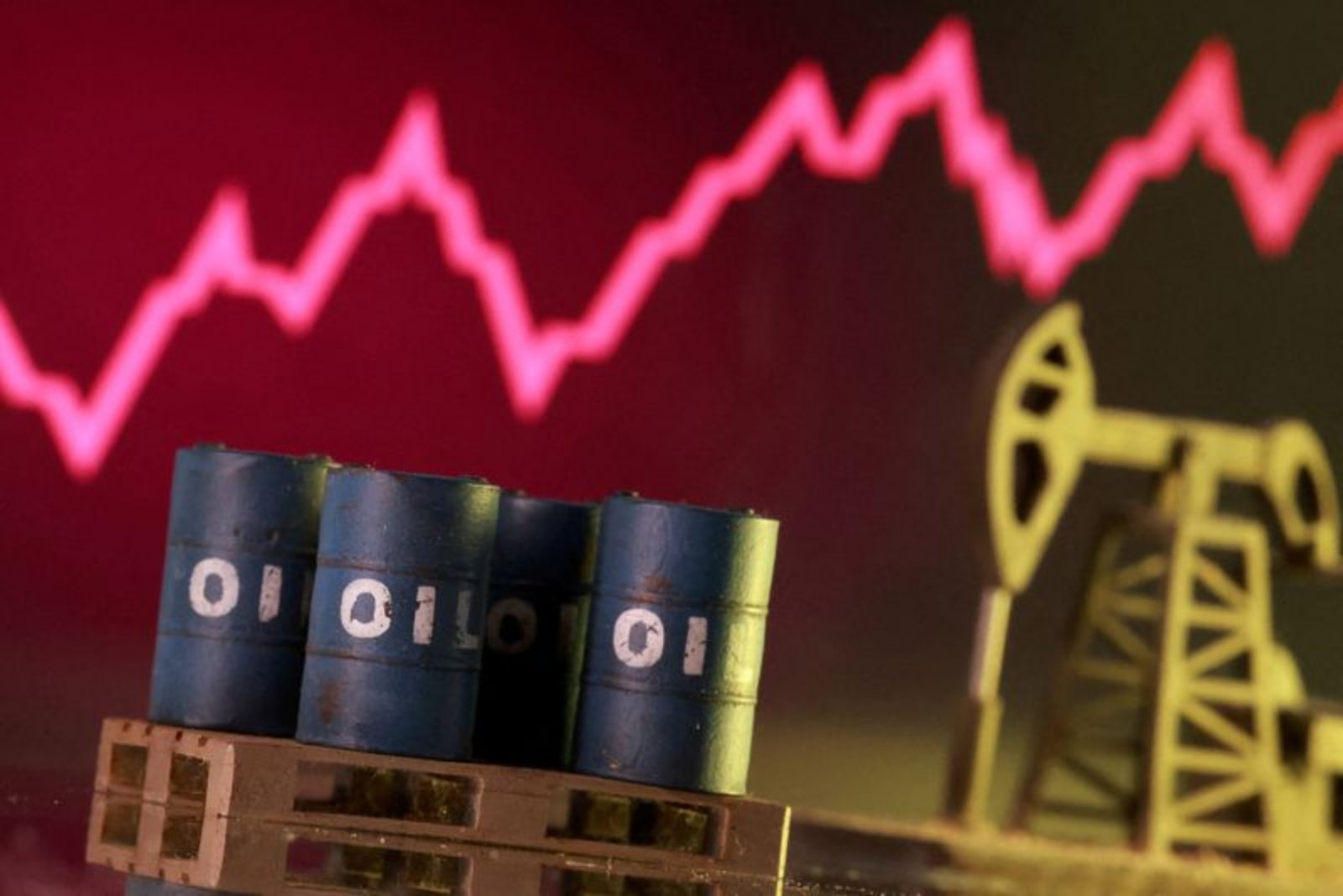
Markets remained under pressure as a wartime-style selloff continued into Asian trading, amplifying concerns that an extended disruption to oil flows could sap risk appetite. South Korea took the brunt of the move, while other regional bourses also saw heavy selling.
At one point the KOSPI fell nearly 13% before recovering to an 8% drop by mid-session, leaving two-day losses that marked the largest pullback since 2009 amid panic in what had been a top-performing trade this year. Japanese equities were not spared, with the Nikkei off 3.7%, and Taiwan stocks declined 3.6%. In emerging markets, Thailand led losses with a 7.7% slump.
Two factors compounded Asia's vulnerability: a physical dependence on energy shipped through the Strait of Hormuz and an additional cost burden from a firmer dollar. Those twin pressures heightened market concern that higher energy prices and currency moves would squeeze regional margins and growth prospects.
Markets had shown a degree of reprieve late in New York trading on Tuesday after a post by President Trump saying he had directed the U.S. International Development Finance Corporation to provide political risk insurance and financial guarantees for tankers operating in the Gulf, and that the U.S. Navy might be used to escort shipping. The statement offered momentary calm but left many analysts unconvinced.
Caveats surfaced quickly. Observers noted the administration had not pre-positioned such arrangements before hostilities began, and the announcement lacked operational detail. Historical precedent was raised: insurance cover during the 1987 Iran/Iraq conflict did exist but required substantial effort to implement and remained limited in scope. That experience was not viewed as comparable to the scale potentially needed to insure the hundreds of tankers that transit the Strait of Hormuz.
Complicating matters further is the ownership and flag status of the majority of tankers, which are not U.S.-owned or U.S.-flagged. Questions were also raised about whether the DFC has the financial resources or the specific insurance expertise to assume such risks. Legal challenges are likely if coverage is offered, observers warned, given that most contractual and regulatory levers would be anchored in the United States.
The idea of the U.S. Navy providing escorts attracted its own set of doubts. The strait was described as narrow and difficult to navigate even under normal conditions, with hostile Iranian forces located just kilometres to the north. Those practical and security constraints were offered as reasons why the U.S. Navy has not operated in the area at any significant scale.
Market stress was not limited to oil-related fears. Signs of strain in private credit emerged, with a regulatory filing showing that Blackstone's flagship private credit fund experienced a surge of redemptions in the first quarter, as investors withdrew a net $1.7 billion, according to the filing disclosed on Monday. Meanwhile, concerns about AI-driven disruption continued to swirl through the software sector, adding to a broader risk-off tone.
Traders and strategists flagged a short list of developments to watch that could influence market direction on Wednesday:
- News flow on developments in the Iran conflict
- Moves in oil prices
- U.S. economic releases, notably the ISM services survey and ADP payrolls data
The confluence of geopolitical risk, potential energy-market disruption, liquidity strains in private credit, and sector-specific headwinds around AI has left markets in a precarious position, with a range of outcomes still possible depending on how these threads evolve in the near term.